The Patch

Putting all of this together, I’ve noticed some patterns in the mix, with the icing on the cake confirmed by a Radio 4 programme on Thursday 7th September, 9-9.30 called ‘The Patch’.
The program’s premise is to type in a random postcode, find the person who lives in it, and discover their story and the local stories within the area. Over the years, it has proven to be a brilliant concept that has produced enlightening content about people’s lives, worries, contentions and successes.
Less Radio 4 home county pomposity, more regional reality.
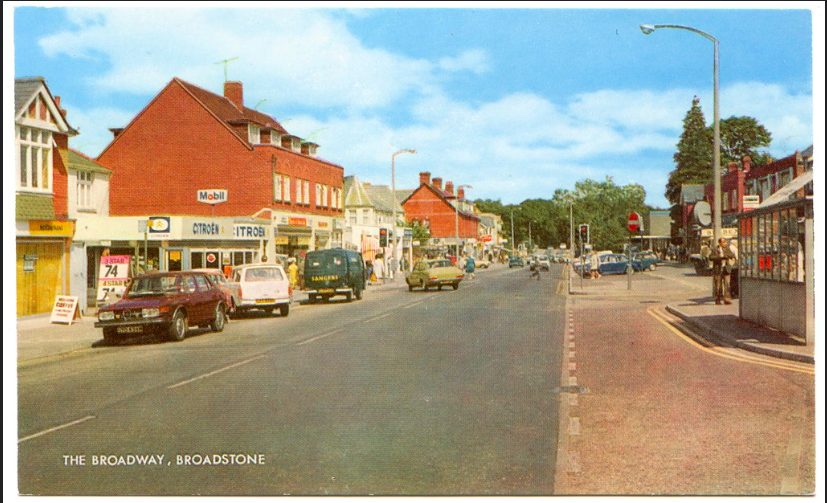
This episode ended up in the beautiful county of Dorset, in a village called Broadstone near Poole. Also near the millionaire’s row of seafront housing that has become a local bone of contention, as well as the local housing occupied by residents who have often lived there for generations.
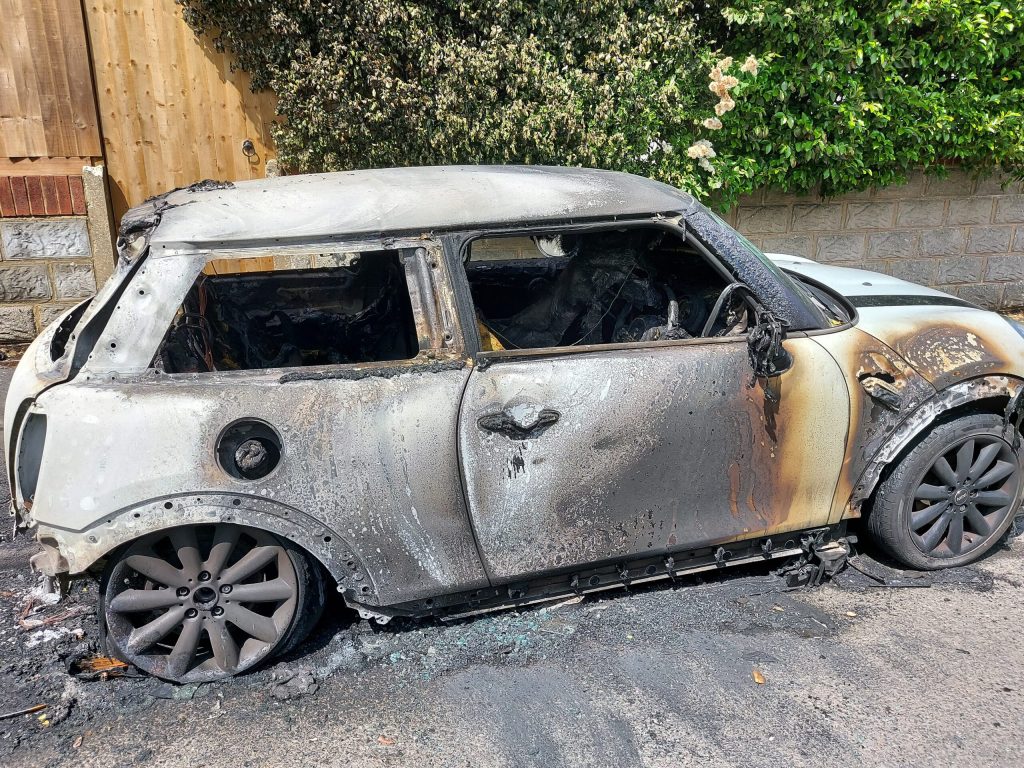
The story starts with a bizarre occurrence: one night, 13 cars throughout a large area were set ablaze. It turns out randomly with no pattern of vengeance or location, just cars that were accessible.
The police have apprehended someone. Therefore, the programme legally trod carefully.
The police have no idea as to the motive. Thus, gossip and rumour spread throughout the area. Was it targeted at outsiders, 2nd homes, those in some kind of authority, or just wealthy folk?
None of these fitted.
The plot thickened.
The journalist dug deeper into the area’s history; could it be land and building disputes? Too much building on existing housing plots, such as extensions, loft conversions and garden studios, could have led to a reaction to the constant noise and dust of construction traffic?
Which led to further questions;
Why were people extending and building studios in their back gardens? Why is it that nobody ever seems to move?

The journalist visited local planning and later spoke at length to a local elected councillor. A pattern started to form.
The building works were to house children who could not afford to move out of the family home. Many middle-class householders don’t move as they are too in debt; they are just trying to cover the bills.
These are part of the silent middle class.
When a local Councillor was asked about this, she said she was aware of the financial issues from holding anonymous councillor surgeries, and if she initiated any policies to help, she would be inundated, and anyway, there wasn’t enough money in the council budget to help everyone. So she listened but could not offer financial help. The real issue lies in the requested anonymity of the people attending these surgeries; nobody wants to publicly admit their struggles. Keeping the facade of material success at the school gate, golf club and other middle-class social interactions that are often status-led by wealth, education and children’s successes (often from expensive private tuition).
Is that the only reason? Oh no, it is far more nuanced.
It is about the fear of falling house prices. If it’s shown there is an issue of poverty, then prices may fall, further compounding the problem, leading to negative equity and no future wealth from the unearned capital in the property. It is better to keep the impression that all is well than to admit the need. This loss would also go against the meritocratic self-reliance that has been religiously followed from the promises of neoliberal thought since 1979 and is now considered the only route available, as a government-led intervention into the market would mean higher taxes and, god forbid, socialism! There is perceived to be no alternative, so they will suffer in silence, hoisted by their own middle-class petard.
This entrapment plays into easy fearmongering by the press of a potential loss as more and more middle-class property owners earn more per annum from the capital locked in their properties than their 40-year stagnated incomes from work.
 It's about people, stupid...