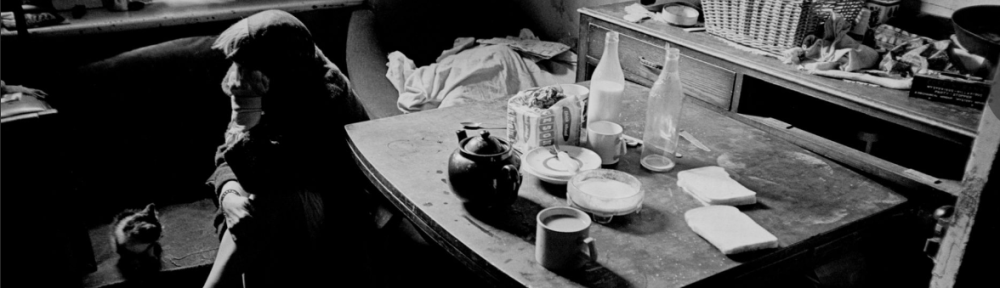
An open conclusion: so why were the cars torched?
A natural social conclusion of the programme was the frustration of other locals (or one in particular) who will never be able to buy (especially as nobody ever moves), afford private rent, save or have the time to wait for any kind of social housing to be built.

Or was it random, after all? Either way, the housing situation in just one small area of the country shows this silent middle is remaining tight-lipped under the fear of loss via falling housing values. How long before they switch from the wealthy, propertied bourgeoisie to the propertyless proletariat of the late 19th and early 20th centuries? With early childcare, private education, university education, house deposits and their own elderly care to think about, how far can this capital go?
So, the unearned capital from housing rather than earned from income comes with a devil’s ransom: the need for ever-increasing house inflation or returning the keys and a middle-class collapse.
Welcome to the housing Ponzi scheme
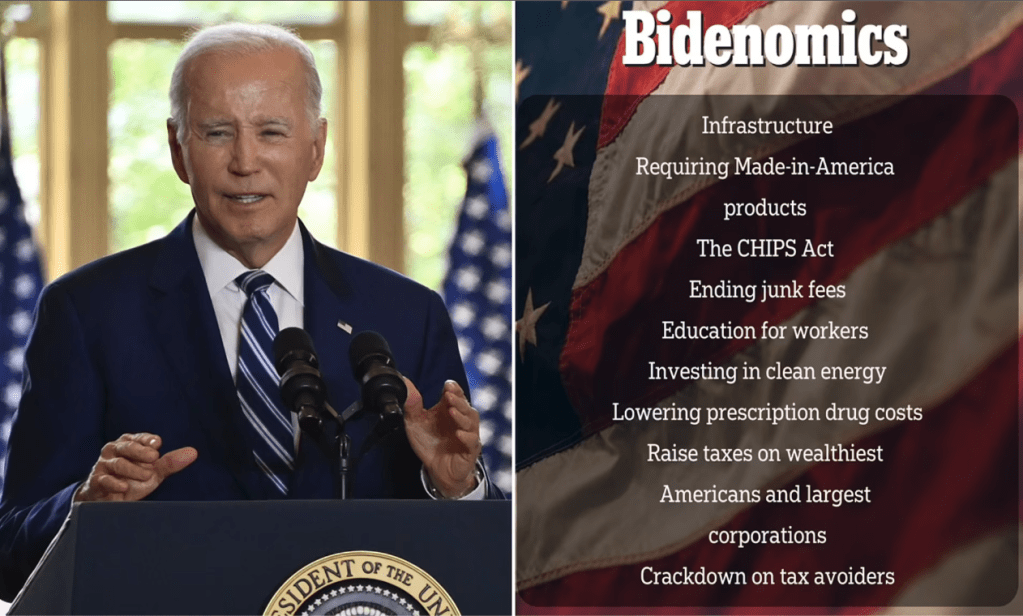
Is this why Blarite, Clintonite, and now Bidenomic centrist policy is so attractive to the Centre-Left present Starmer Labour Party? Rather than the Corbanist attraction of the young, educated petty bourgeoisie (Evans 2023) who have been promised much but left high and dry by the centrist and right-wing policy of the past 24 years?
A friend observed that it has to get much worse for the middle to flip to the left, possibly following a Beveridge Report 2.0 style report on the nation’s state in the 2020s.
How much worse and how much longer? Or is there another way?
There is, and to ignore any alternatives only leads to an increasing build-up of pressure from below, that will eventually explode like it did in the early 20th Century. (Piketty 2013)
More to follow……

Book references;
A Nation of Shopkeepers by Dan Evans (a brilliant 2023 definition of the Petty Bourgeoisie in modern Britain. The successes and disappointments of Generation Z, born in the mid-1990s to mid-2010s in a world of normalised neoliberalism with seemingly no alternatives, as they are long forgotten)
Bread For All ‘The Origins of the Welfare State by Chris Renwick (historical)
Capital of the 21st Century by Thomas Piketty (2013)
Comparative Housing Policy by John Doling (brutal, honest book about how to evaluate differences between social states in various countries whilst trying not to trip up on cultural assumptions, a quite brilliant book by a true expert in the field)
Economics, Peace and Laughter by J.K.Galbraith (a brutal look at economist’s assumptions and reliance on mathematical modelling, namely the Chicago and Austrian schools of microeconomics, whilst ignoring the diversity of human reality more akin to macroeconomics and Keynes’s adage of the ‘theory of uncertainty’.
In a nutshell, microeconomists hide behind complexity and continue to do so even when things go entirely wrong. An old brilliant book by a highly regarded Harvard Keynesian economist).
The Evolution of the Welfare State by David Fraser (historical and social science commentary from 1800-1990s)
The Five Giants is a biography of the welfare state (it is a biography in a journalistic style, jumps all over the place, and found a few misplaced quotes from Hansard, but it is still a great reference)
The Origins of the Welfare State 1800-1945 by Bernard Harris (left and right-wing social science standpoints, but critically left-leaning)
 It's about people, stupid...