
Now? So far (we are still working on covering known consequences).
Rent Control has to be national, with an initial backdated rent freeze for 3-5 years and then a form of rent control.
What form?
We still have a form of rent control in Shared Ownership that was never tackled in 1988.
My Shared Ownership of 50% was based on the 3% of the original purchase value the former owner purchased it on (I took over the lease), which was around £64K in 1990. Thus, minus the deposit of 5% on 50%, £30,400 @3% = £900 per annum divided by 12 months = £75 per month.
The annual rent increase in law (at the time and in the lease agreement) is no more than RPI (now the lower CPI). Therefore, over the years, my rent has fallen behind market rents. No need for rent assessments or rent officers, i.e. national CPI inflation determines the maximum per annum increase (some years it was 0%).

In reality, it would take 10-20 years for the housing market (i.e. land values) to return from the present 70-90% land values to 15%.
The losers:
- PRS, but they have already had their dividends via unearned rent.
- Purchasers with mortgages purchased at the peak. I suggest reducing the term for those who bought at the height to counter the negative equity.
- End of this ridiculous mortgage market. Variable and that’s it for the life of the mortgage—the return of Mutuals only, no banks.
- Banks (but they never lose).
The winners:
- Everybody else.
Conclusion:
The Nordics believe each generation should cut the apron strings when leaving home. So young people (like I could, due to the accident of birth in 1964) can buy a house without the Bank of Mum and Dad or grandparents’ inheritance.
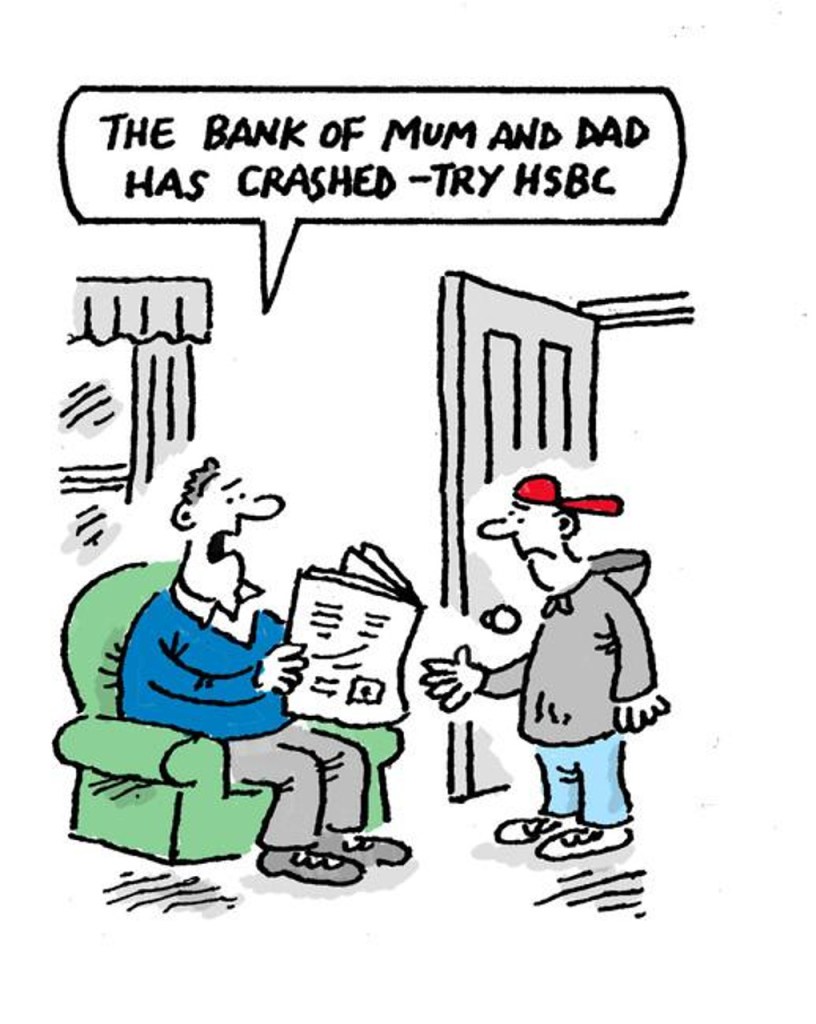
Parents don’t need to amass wealth to pass on, as the kids can afford a house independently.
Now we just need to tackle university/further education (free at the point of need), child and elderly care (free at the point of need), and homelessness (Finland: we have homeless people; answer: build homes. It has worked).
I was at a Further Education event (ICE at Cambridge). I suggested a Beveridge 2.0, to which someone (correctly) said it has to get a lot worse (i.e. the 1930s) before people respond to a modern-day Beveridge Report (1942) that was the springing point of the Attlee 1945 reformist government that gave us Nye Bevan, housing and health secretary, who led to housing reform and the NHS.
The choice is ours: kick the can down the road and wait for national rent strikes and civil disobedience, or face up to the issue of the commodified, unregulated and financialised debt land market, which is reflected in high house values and, therefore, high rents to incomes.

 It's about people, stupid...