What’s the point in even talking about this 120 years later?
Remember the title, Hiding In Plain Sight. Our new UK Labour government has mainly won on the message of ‘stability’ and that stability is achieved through ‘fiscal responsibility’ through a tax and spending policy. That is, they only spend what has been retrieved in tax and do not borrow from the banks (via the bond market).
What do they mean by that?
It means running the economy like a household, with tax being the income for spending, known colloquially as ‘tax and spend’ or’ earn and spend’ in a household.
‘The problem is that government money doesn’t work that way’.
An analogy;
I’ve been watching a near future (200 years ) sci-fi drama called ‘Silo’. This is about 10,000 people living in a vertical silo underground as the earth’s atmosphere is now poisonous. As usual in sci-fi, they call a usable internal currency ‘credits’ in exchange for labour to store value, purchase other goods and services, and pay tax to the internal government.
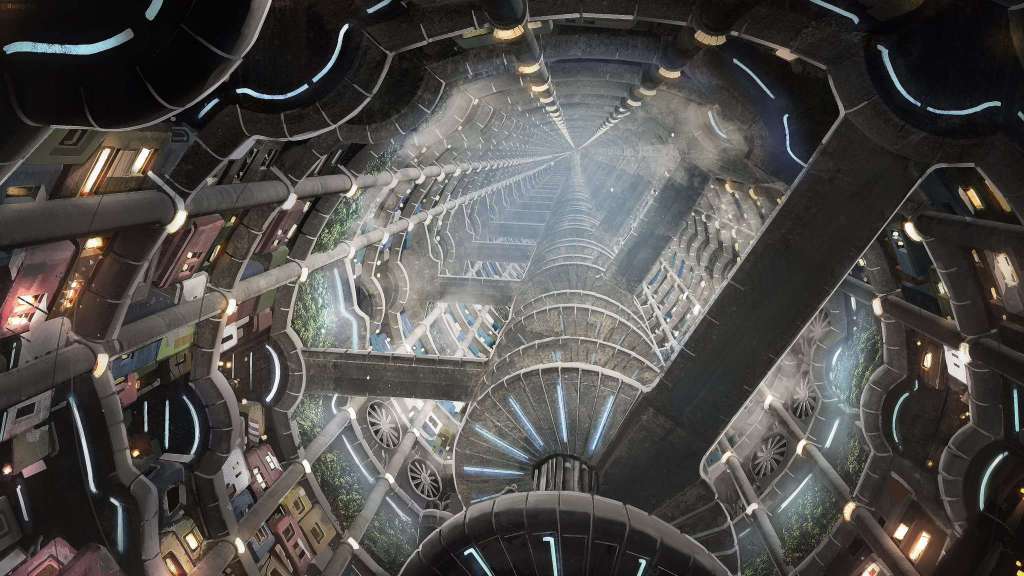
The first questions that come to mind are:
a) Did they form this community and then tax them?
b) Where did this money come from that could be taxed?
Well, they couldn’t as that currency didn’t exist (note; there was no ‘debt as it had never existed in this context). So they first had to create the currency, give it some value (legitimacy to the issuing government) and base that value on some needed natural resource, say water; one token equals 100 litres of water, and a day’s labour equals one credit, for example. There is a natural variability with water ie scarcity, and if there were, say, 1 million credits created in the economy (out of nothing), the value of these credits would relate to the water shortage. So if water were rare due to a drought, then you would need more credits for 100 gallons, and then labour would want more per day to cover that cost, putting pressure on the government to issue more credits, leading to ‘chasing the dragon’ inflation.

They could tax people more, but all you do is create a shortage of credits (by withdrawing them from circulation), making water even more valuable to the ratio of money earned in a day. As the price of water inflates, the government would have to put price controls in place. Still further, restrictions on volumes consumed, when this happens, money becomes secondary to the primal value of water for survival. Like a diamond in the desert is worth nothing to a person dying of thirst, whereas in that situation, water becomes the prime commodity.
In both scenarios, the creation of new money and the retraction (tax) of money in the economy (circulation) have an effect, with money being variable to a prime resource that ultimately determines its value.
 It's about people, stupid...