Eventually, the bank runs out of money! What to do?
The bank is now running a deficit (in the game period) of 10,080 credits, as all the money from the board game is in the game’s economy, not the bank. The bank is now bankrupt. The problem is if the bank taxes more to reduce the deficit debt, it takes money out of the economy, meaning that most players will go bust and end up in jail as they have no money to pay taxes or fines. This would lead to the game ending due to insufficient money in circulation.
Note: like the 1930s depression, fuelled by Austerity Policies, which involved retracting money to service the issuer’s debt, Austerity policies have never worked. You’re taking money from your prime resource, human labour, who are the creators of wealth, by converting the Earth’s free natural resources into products.
The game will come to a halt as there is not enough money to oil the wheels of this economy.
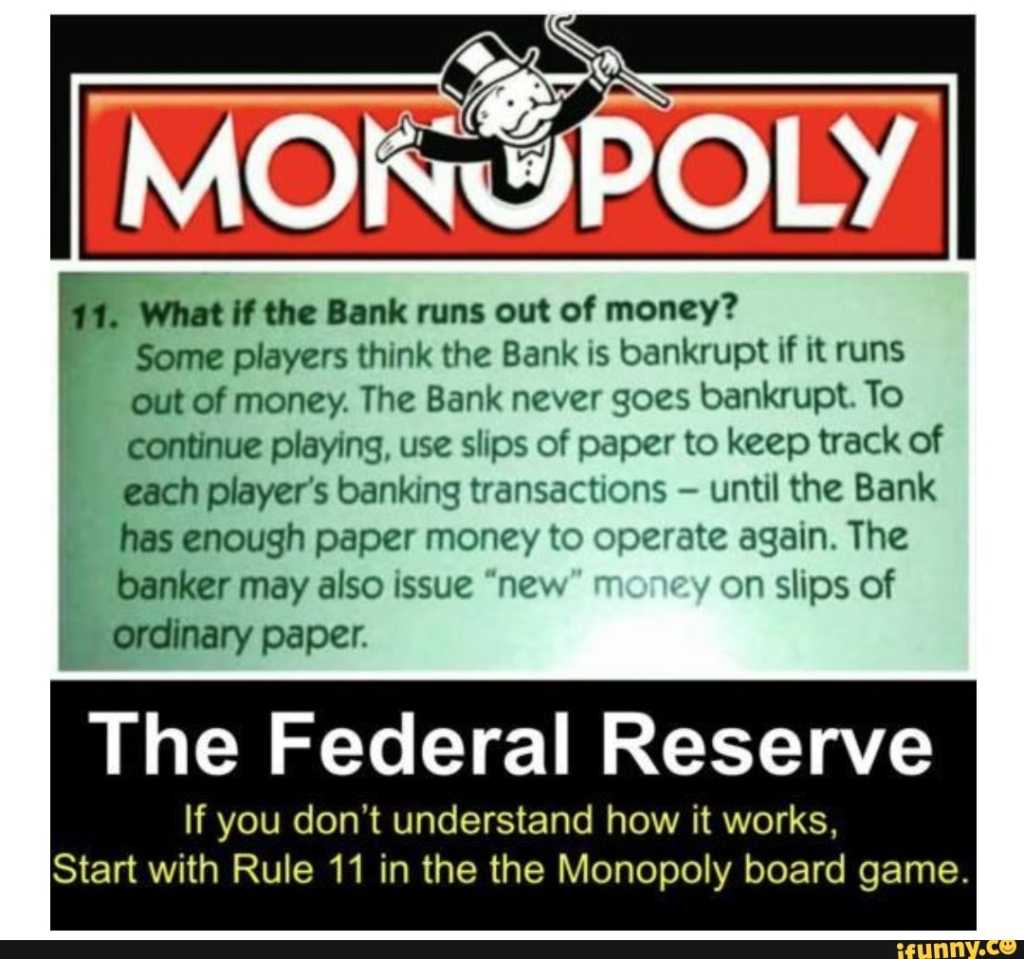
Now, if the game runs out of money and there are still players in the board game, the bank, but wait for it, can create new money as IOUs (debt certificates, which is exactly what money is) written on bits on paper by the player operating the bank. (Parker 1937b) This is precisely what happens in the real economy.
Once the other players are bankrupt (they have no money to pay rent), the game is over, as one player has monopolised the land. This shows that the valid resource is not money but land!
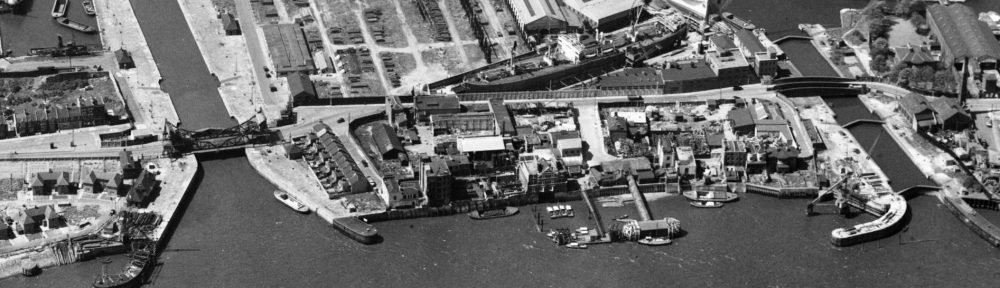
Again, fiat money is not finite but infinite from the issuer’s perspective. The finite resource is planet Earth’s resources in time and space (e.g., land on the Isle of Dogs, London, was useless marshland in the 17th century; in the 21st century, around Canary Wharf, it’s worth millions per hectare), including people and their education and relevant skillsets.
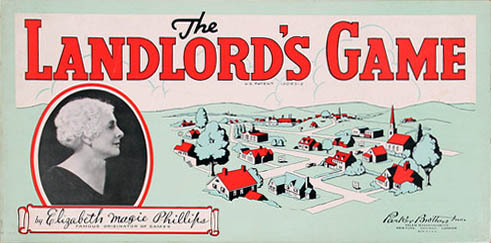
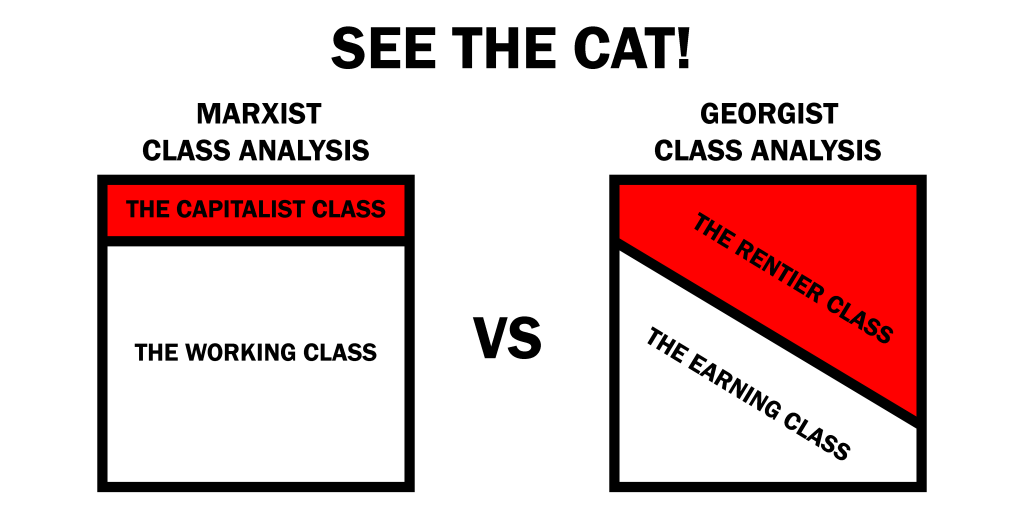
Thus, The Landlords Game was designed to teach people about the hoarding of land and why land, not labour income, should be taxed (based on the Single Tax theory of Henry George, 1890s, roughly economic rent derived from land, including from all natural resources, the commons, and urban locations should belong equally to all members of society, Taxation of land being the method to maintain this equality, known a Land Value Tax, LVT).
 It's about people, stupid...