Conclusion
1). The government can create money; they don’t need to borrow (a relic of the gold standard). The issue is not having enough money. It’s always:
a) Inflation/stagflation, which is an imbalance corrected by targeted progressive taxation, the wealthy who have advantages of capital assets pay a higher percentage to stop hoarding (note; interest rates that affect the middle and poor that benefit the wealthy who have no debt, which is regressive)
b) The natural resources of planet Earth, including people (remember to be part of society, you pay tax).
Money is a human construct, and therefore, it is pushed around by human uncertainty, frailty, greed, honesty, herd instinct, etc.
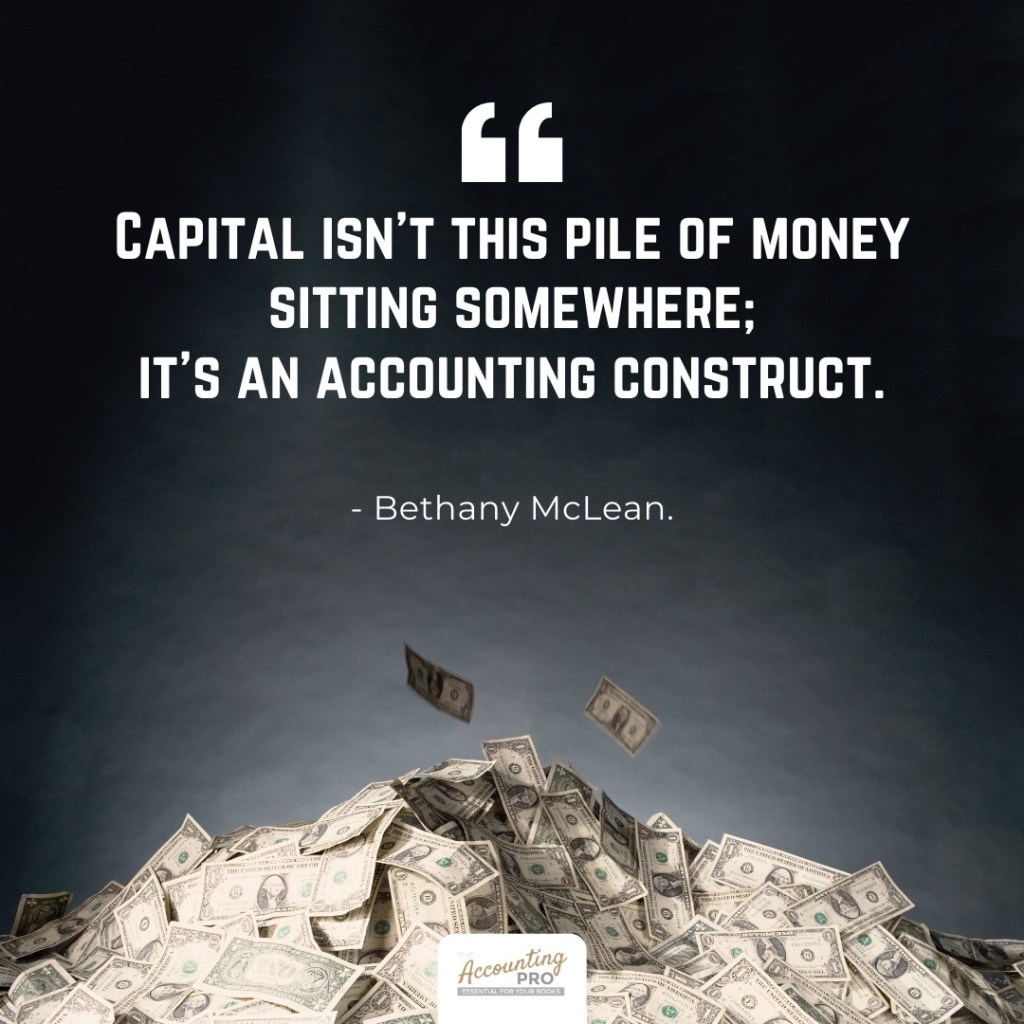
2). Money is infinite; land is not. Because land is fixed in time and space, it is a natural monopoly for the owner as that parcel of land cannot be manufactured or moved. This was and continues to be shown in the Monopoly game.
The Wizard of Oz is about the promises of charlatans who want a gold standard to inflate their asset wealth. Further, the idea that the government have all the answers at the end of the yellow brick road but, in reality, has a bark that is louder than its bite, and the promise of the emerald city (the fiat greenback dollar not backed by anything other than a promise) is also a mirage. The only conclusion is a libertarian one of self-help. You already have the riches of family, friends, and colleagues, and looking at the fantasy of the government solving all your problems is stupid as they have no more ideas than you.
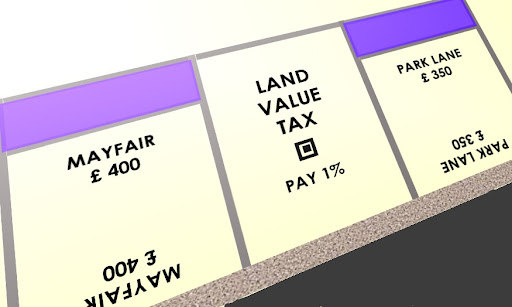
Both were of their time but had some home truths. Elizabeth J. Magie and her board game summed up the need for a land value tax, as promoted by Henry George.
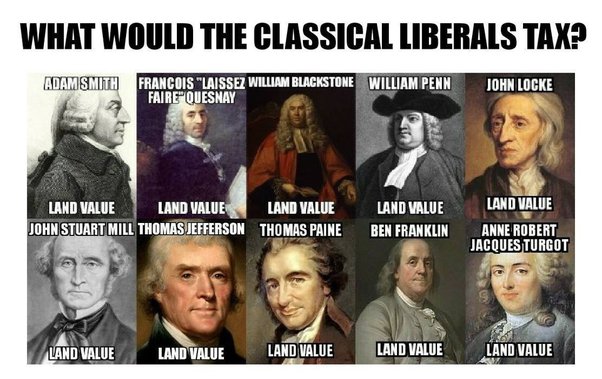
Later, Winston Churchill (Liberal MP and Conservative PM in the 1950s) was from the centre/right, and Ramsay MacDonald (Labour PM in the 1920s) was from the left. From right-wing economist Friedrich Hayek to the centre/left-wing J. M. Keynes, there was a universal agreement between left and right. Only the Landed opposed this (for obvious reasons), but such is their power and influence that, to this day, it has never been advanced beyond the talking shop of Westminster.
Frank Baum encouraged us to open our eyes, challenge, and take personal responsibility. To find those Glindas in times of peril after all else has been tried. It’s an argument for transparent governance, with local accessible representation and accountability, with the corrupt called to account and the hapless exposed.
To me, this is Nordic governance. It’s not perfect, but as the conclusion of his book states, you never get to the end of the rainbow; it’s always a journey of success and failure. What we learn and use is up to us as the present generation.
Always in flux, never arriving, but trying to make the best of what we have.
Exciting, isn’t it!
 It's about people, stupid...