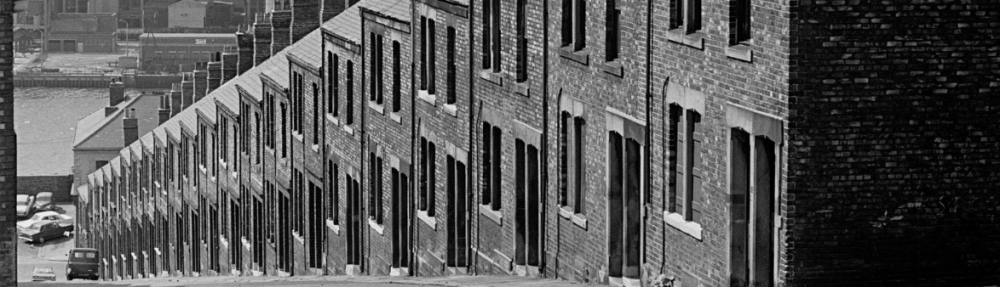
Absolute must-reads for park and urban design!

The Social life of small Urban Places

The Movie

The movie’s production quality is rather poor at the start, but stick with it, as it’s about the content.

Made in 1980, so you can get some amusement from the conservative fashion, but the main point is the simplicity of how humans react in public space and what makes a space successful or not.
Note: At the end of the film, the filmmakers make recommendations to New York City planning and control. The effects can be seen today; think of how many areas have movable chairs, and how the city’s atmosphere has shifted from many complete no-go areas to a city that now feels much safer, more at ease, and sit-able!

“The present issue (as with all popular cities) is ‘gentrification’ when regeneration arrives”

The present issue (as with all popular cities) is gentrification, the meat-packing district has been changed by the High Line Park which is great, but the lower paid workers who service the area are being pushed out by unregulated high rents, all cause and effect. So whatever we do as designers/planners, we have to always look to the bigger picture, build a framework for flexibility so the area can evolve without expensive rebuilds and social cleansing.

High Line: A Quick Overview from Grant Beerling on Vimeo.

“I so love this little film, Holly Whyte’s voice reminds me of my wise grandparents, thoughtful, never rushing a sentence, understanding the power of a pause and the simple profound observations of the world around he.”

https://www.bilibili.com/video/av2987495/

Some Books, Absolutely must be on your shelf

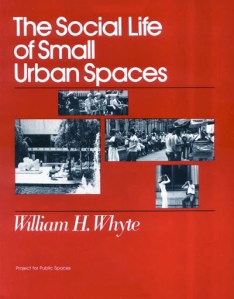
The Social life of small Urban Places

Author William H Whyte


A good review blog of the book. Essential for anyone who wants to understand why someone would want to visit and stay in your local park….Ignore this book at your peril. Based most of my final degree design on his proven observations

“A park without people is a field”

http://www.brainpickings.org/index.php/2013/08/22/the-social-life-of-small-urban-spaces-whyte/
The Wit and Wisdom of Holly Whyte 

Gathered by Albert LaFarge 


A Visual Approach To Park Design

By A J Rutledge
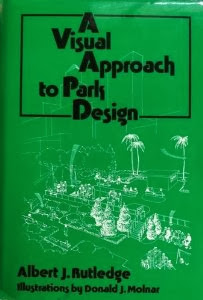
 
The second book I used extensively to get to my final master plan layout especially, concerning the whereabouts of places within the park, such as water, food, places to sit, Connection and Flow of People within the park, Placement of Noisy and Quiet areas and their effects on the groups that choose to stay or move through the spaces.


Space is the Machine

By Bill Hillier

 
A heavy read, but it takes it to the next stage in the theory of walking through space and the effects of mass, void, nodes, and waypoints. It also covers how we perceive distance using visual cues. Fascinating read, and very useful in confirming whether your design has any chance of working from a general human perspective; after all, it’s about the end user… not the designer.


A PDF download

Click to access SpaceIsTheMachine.pdf


Cities for People

By Jan Gehl
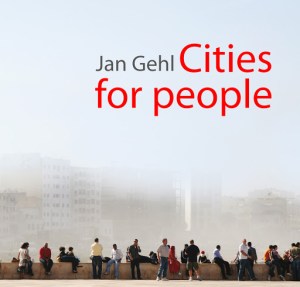
 
Still reading this book at present; a lot you will already know, but some more proven work and additional precedents to add to Holly Whyte’s studies. Venice is an interesting study of human scale, traffic speed, and the effects on the sense of place.

The Death and Life of Great American Cities

by Jane Jacobs
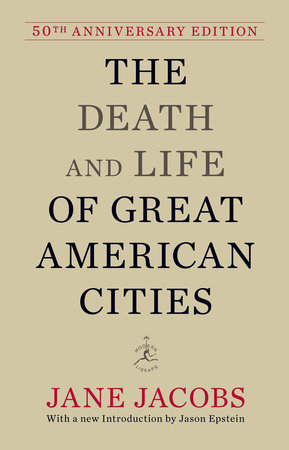
 
The classic book written by an incredibly observant person, so often books are written from a research angle, with references to just other published work and so the merry go round of knowledge actually improves little, whereas you get people like Jane Jacobs who really observed, talked and listened to those around her and thus get some surprising answers leading to a street view of city life rather than the planners view, that was so prevalent in the late 1950’s. We are currently making similar mistakes, especially in private silo construction, which has no relevance to the surrounding streets the buildings sit within. Look at the Thames waterside for an example of this style of construction and the island effect it’s having on the established local communities.
9780307969651


http://en.wikipedia.org/wiki/The_Death_and_Life_of_Great_American_Cities

A blog of interest

http://www.streetsblog.org/2011/06/15/the-art-and-science-of-designing-good-cities-for-walking/


Conclusion

 
All the books relate to space and how humans respond to it. Any design, whether a park, city, or courtyard garden, needs an understanding from a human perspective; plans may look pretty (birds eye view), but gravity and evolution have determined that most of the time we view the world from 1-1.8m and at a speed of 3 mph (if we are walking). We need to sit, meet, eat, and look (sight being our primary sense); we like to watch others (the most popular sport in the world). We love to be near water, in the sun when it’s cool, in the shade when it’s hot and near nature with all its benefits, but most of all near other people. Our job is to design landscapes that work for the many, not the few.

Leave a comment