So, when will the renter get pissed off enough to do something? And isn’t there a government ombudsman they can go to to have their complaints resolved with government backing?
Don’t make me laugh.
First, if this were Adam Smith’s free market, the natural equilibrium of market forces would sort this out (i.e., people would move out if the service charge were too steep). Except it’s not. The land is a natural monopoly of place and time. Whoever owns the freehold of the land owns the monopoly. You can’t make new land in space or import it; it’s fixed.
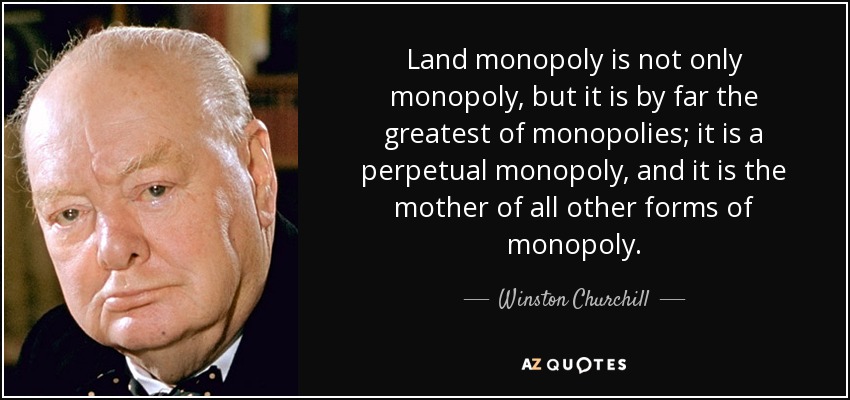
Second, the collective freeholders hold power over the individual leaseholder. It’s an unequal relationship with one side holding all the cards; this is a mercantile system, not a ‘free market’; one side (the leaseholder) is held to ransom as they need accommodation and have no leverage over the card-holding freeholders/investors, who also know the sum game of moving out of the deal; this is entrapment.
Canary Wharf is an accepted ‘business district’, so sympathy for the leaseholder is less and easier to exploit, as most cannot empathise with their plight. This UDC model is now the template for business districts and, increasingly, residential ones.
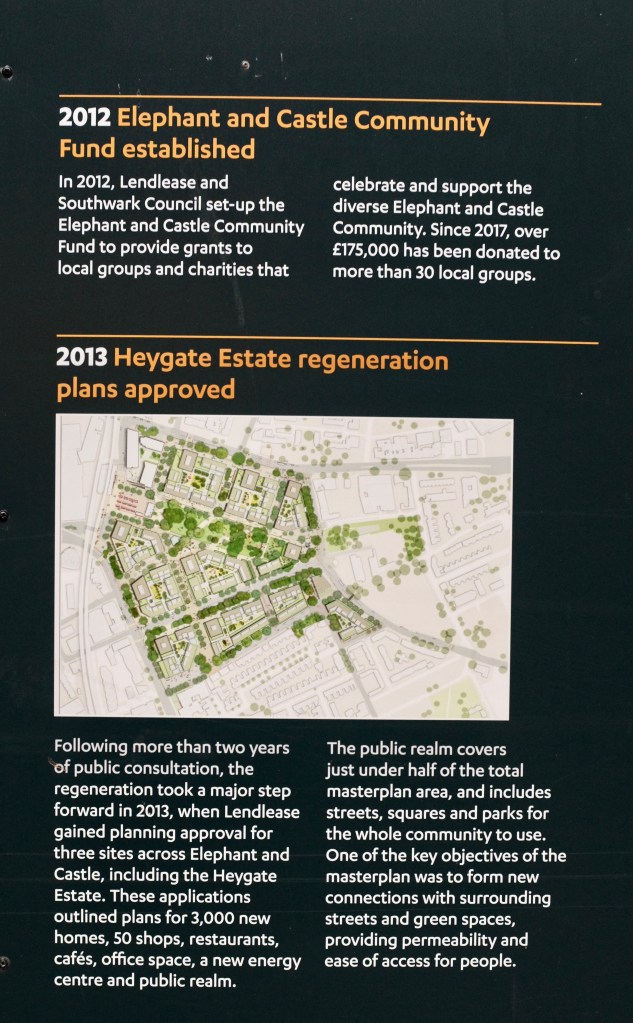
We are all residents in one form or another; thus, we can empathise with the plight of any other resident. Post 2010, under the pressure of Biodiversity Net Gain (BNG) rules (10% more green gain over 30 years) and general climate and mental health awareness, these new sites have to install large amounts of green space, children’s play areas and other attractive amenities that will be paid for via ‘service charges’. Also, under the contract to build these new spaces, the pseudo-public spaces have to be open to the general public, but not paid for or maintained with local or national government funds; they are funded by the service charge.