
Who really pays for pseudo-public space?
Over the past 40 years, there has been a slow creep of what is known as pseudo-public space. This space is not controlled or maintained by public elected bodies, even though when you walk, drive or cycle through the space, it may at first seem public; after all, you have entered without going through a gate, and there was no signage and anyway, everyone else seems oblivious to its status, so it must be like other public space, like the street outside your front door or the local high street. Turns out it’s not.
Well, no, and that’s the start of the con.
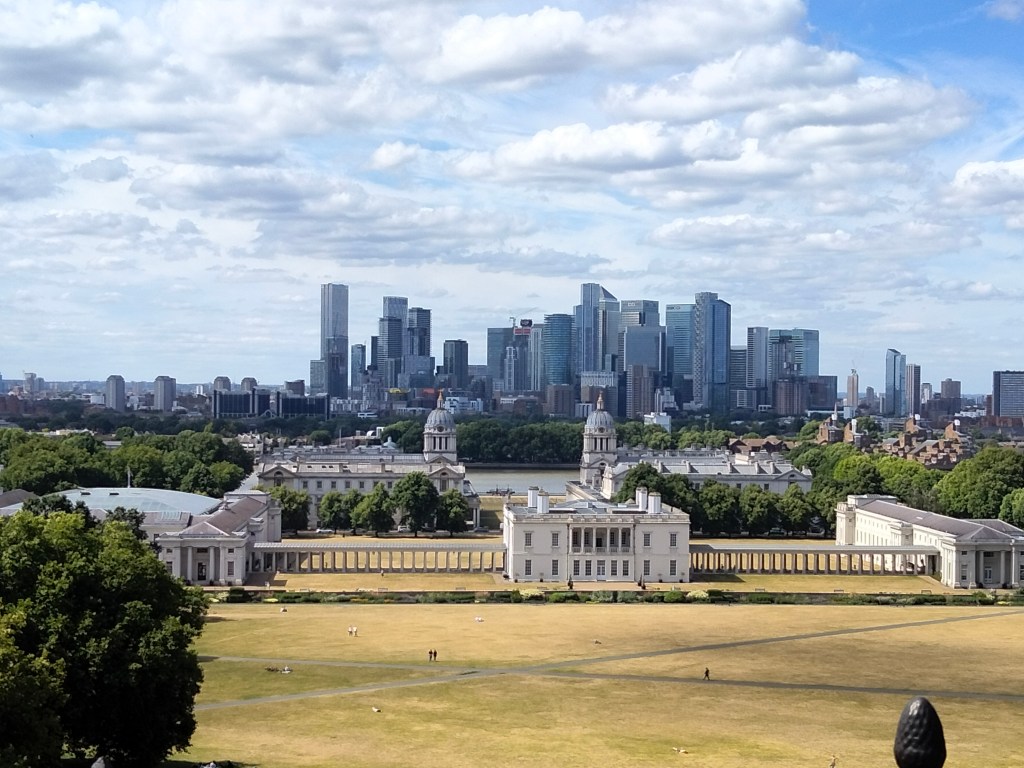
The first example is Canary Wharf, which started this trend. The government of the day had a problem. they wanted to redevelop a declining and abandoned part of a city without spending too much public money. So, a deal was struck between private companies and the central government.
‘Note; local elected governments were left out of the deal to avoid local public protest movements having any leverage by holding up the project with enquiries that could ask awkward questions’.
The deal was based on the US idea of the Urban Development Corporation (UDC), which became the London Docklands Development Corporation (LDDC), so the project had no local government or the then Greater London Council (GLC) involvement; they were completely sidestepped. The basis of the idea was that the land would be sold and held in perpetuity as private land, but with public access, all well and good, but the devil, as always, is in the detail; this access was granted as long as the new owners had the right to create their own rules concerning who, when and where access was granted. Again, on the face of it, this seems fair.
Still, it turned out to be pernicious, as decisions were made by the private owners as to the ‘type of person’ who would be welcome, and here is the second and even more powerful rule of self-interest, as the new owners (freehold owners) needed to justify the high rents, which are a combination of ;
1)Ground rent: The property owner (the flat/business premises) does not own the land it was built upon; thus, they are a leaseholder, not a freeholder, and must pay ground rent to the freeholder owner.
2)The service charge covers building maintenance, the concierge, and all other external services, such as the upkeep of the parks and gardens, rubbish clearance, CCTV, and security guards.
Why security guards? This service is needed to justify the high rents/service charges by providing a ‘safe environment’, a conjuncture for getting the right people with money to spend and keeping out those who can not. They are often dressed like the police to make their presence known, which is fine if you fit the correct demographic; if not, you will be hassled by seemingly innocent questions and reminded that you are in a private space, further blurring the lines between private pseudo-public space and actual democratic public space.

 It's about people, stupid...