Thanks for joining me!
Good company in a journey makes the way seem shorter. — Izaak Walton

Thanks for joining me!
Good company in a journey makes the way seem shorter. — Izaak Walton
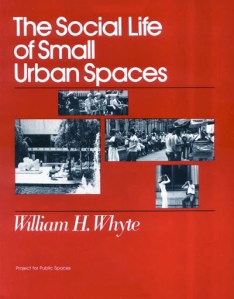
The Social life of small Urban Places
The film quality of the movie at the start is rather poor, but stick with it, as it’s about the content.
Made in 1980 so some amusement can be gained from the conservative fashion, but the main point is the simplicity of how humans react in public space and what makes a space successful or not.
Note; at the end of the film recommendations are made to the New York City planning control. The effects can been seen today, think of how many areas have movable chairs and how the atmosphere of the city has changed from many complete no go areas, to a city that now feels much safer, at ease and sittable!
“The present issue (as with all popular cities) is ‘gentrification’ when regeneration arrives”
The present issue (as with all popular cities) is gentrification, the meat-packing district has been changed by the High Line Park which is great, but the lower paid workers who service the area are being pushed out by unregulated high rents, all cause and effect. So what ever we do as designers/planners we have to always look to the bigger picture, build a frame-work for flexibility so area can evolve without expensive re-builds and social cleansing.
High Line: A Quick Overview from Grant Beerling on Vimeo.
“I so love this little film, Holly Whyte’s voice reminds me of my wise grandparents, thoughtful, never rushing a sentence, understanding the power of a pause and the simple profound observations of the world around them.”
https://www.bilibili.com/video/av2987495/
A good review blog of the book. An essential for anyone who wants to understand Why some one would possibly want to visit and stay in your local park….Ignore this book at your peril. Based most of my final degree design on his proven observations
“A park without people is a field”
http://www.brainpickings.org/index.php/2013/08/22/the-social-life-of-small-urban-spaces-whyte/
Gathered by Albert LaFarge
Learning from our past

But for how long?
I find myself thinking, time and grime. Also the effect of UV on the colours.
But the effect in a playground could be a lot of fun.
Could this be achieved with a rubber based product?
I had a Dream
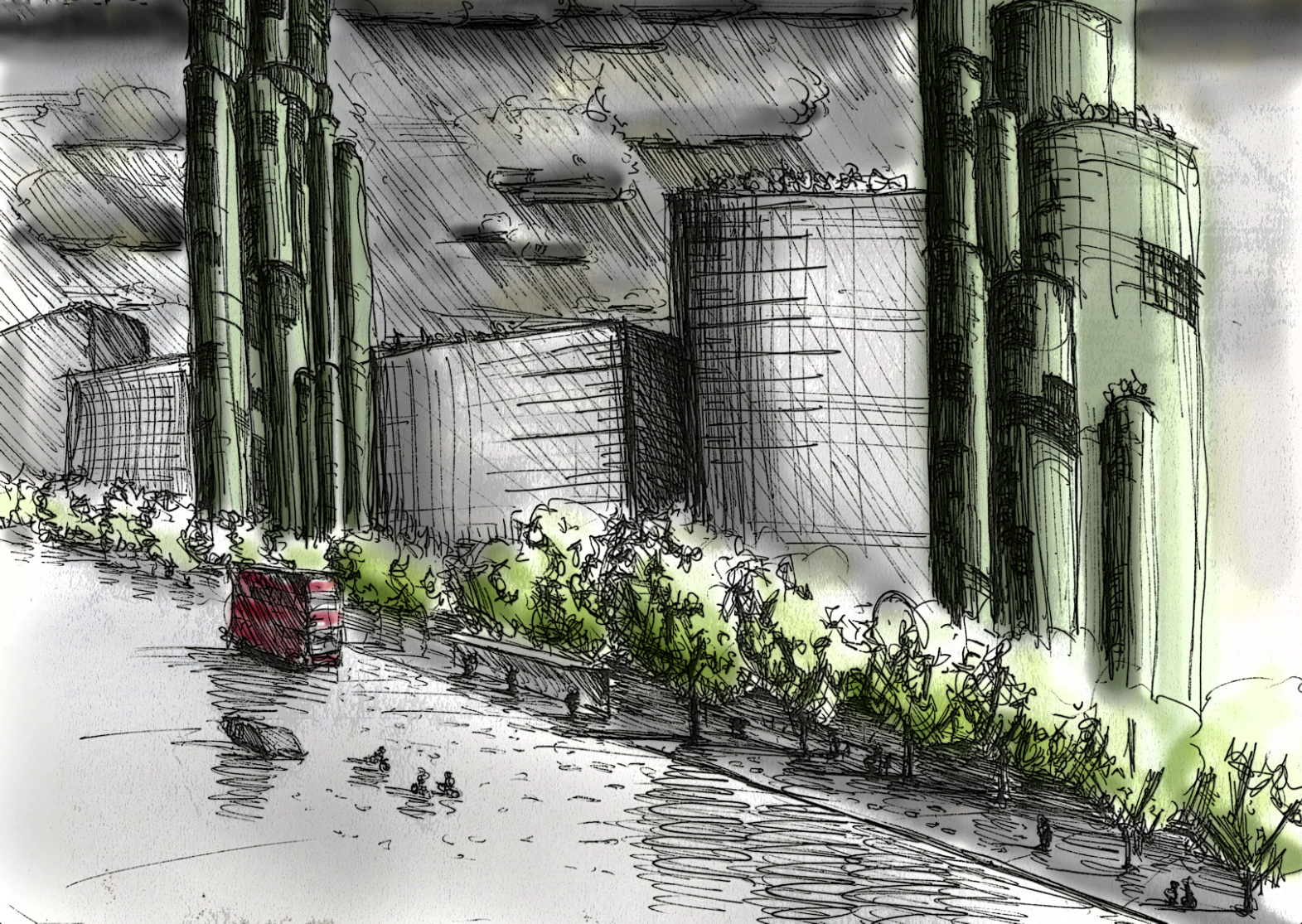
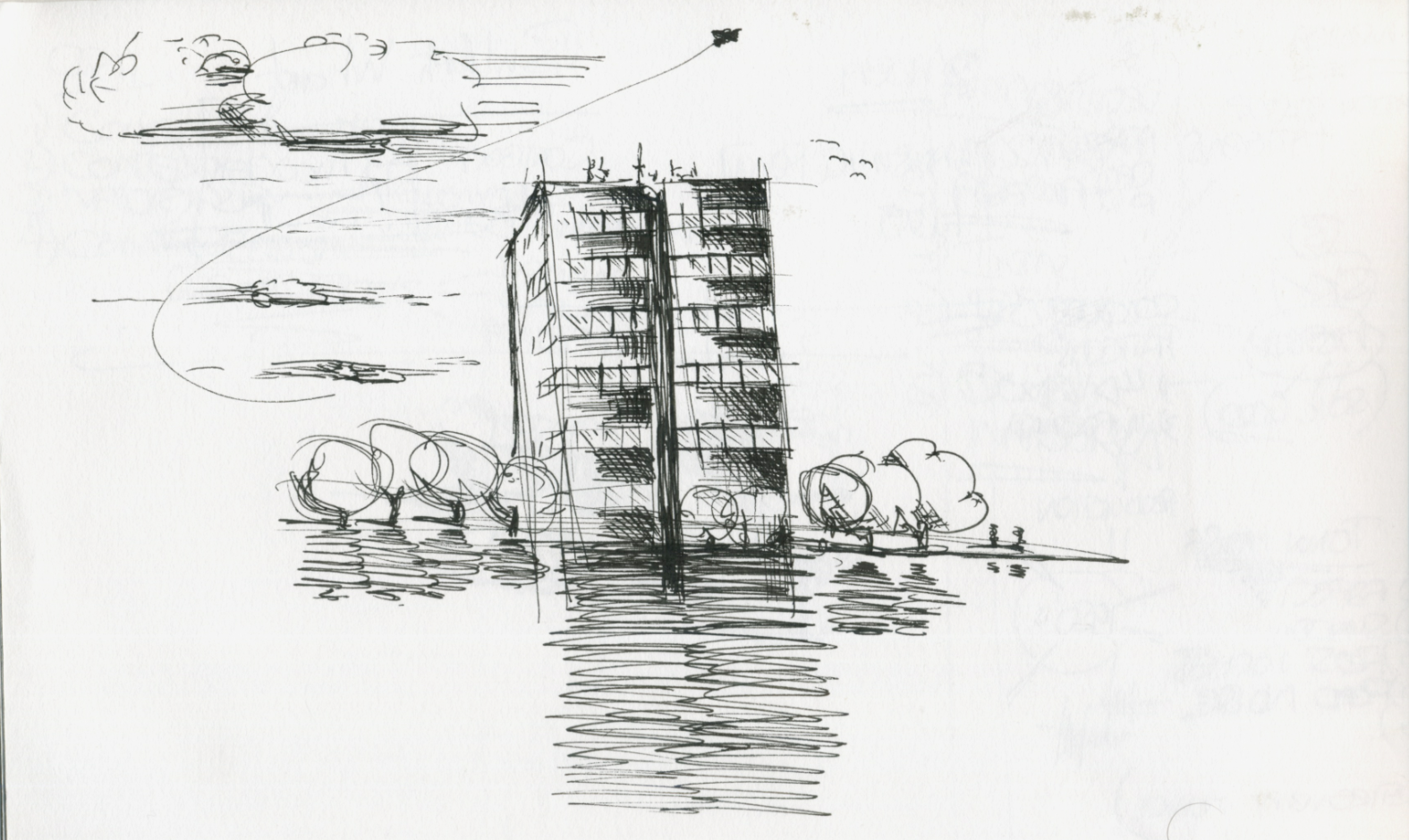
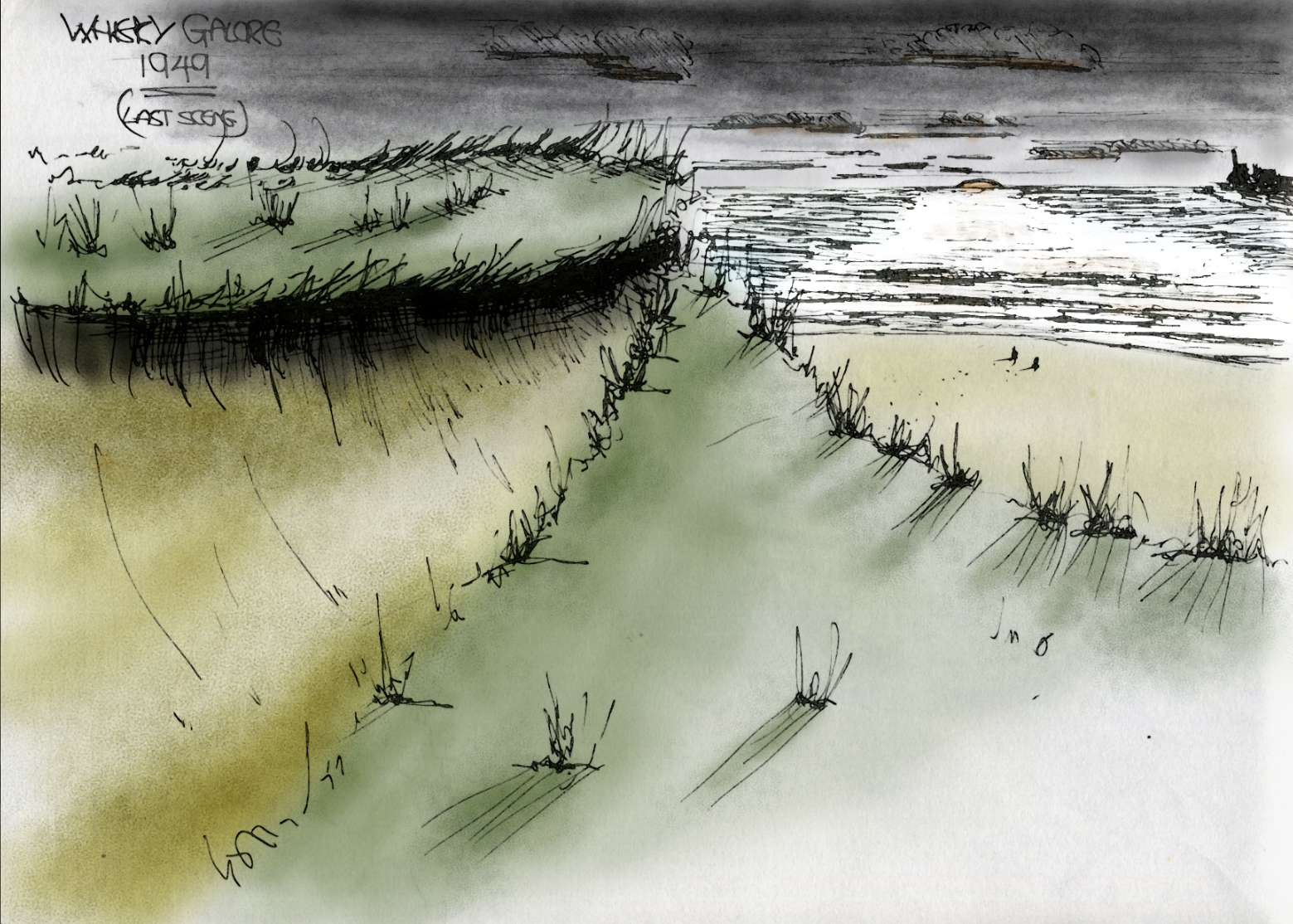
Just doodling, a large victorian guard house, maybe…..
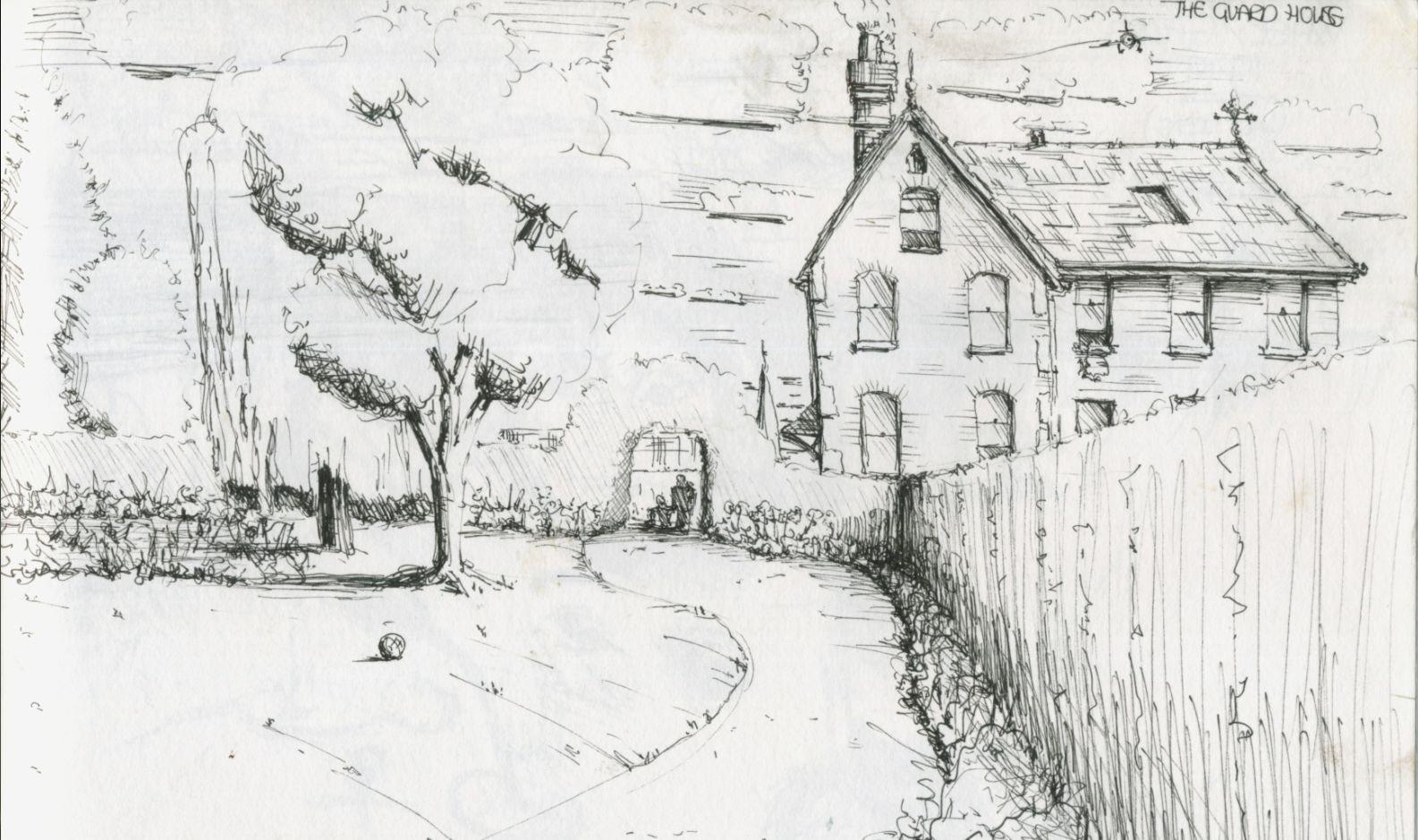
The Brandon Estate at Camberwell maybe some peoples idea of a Modernist Dystopia, for me it’s a case of poor social engineering (you know who you are) and construction techniques. Celebrated with a Henry Moore.
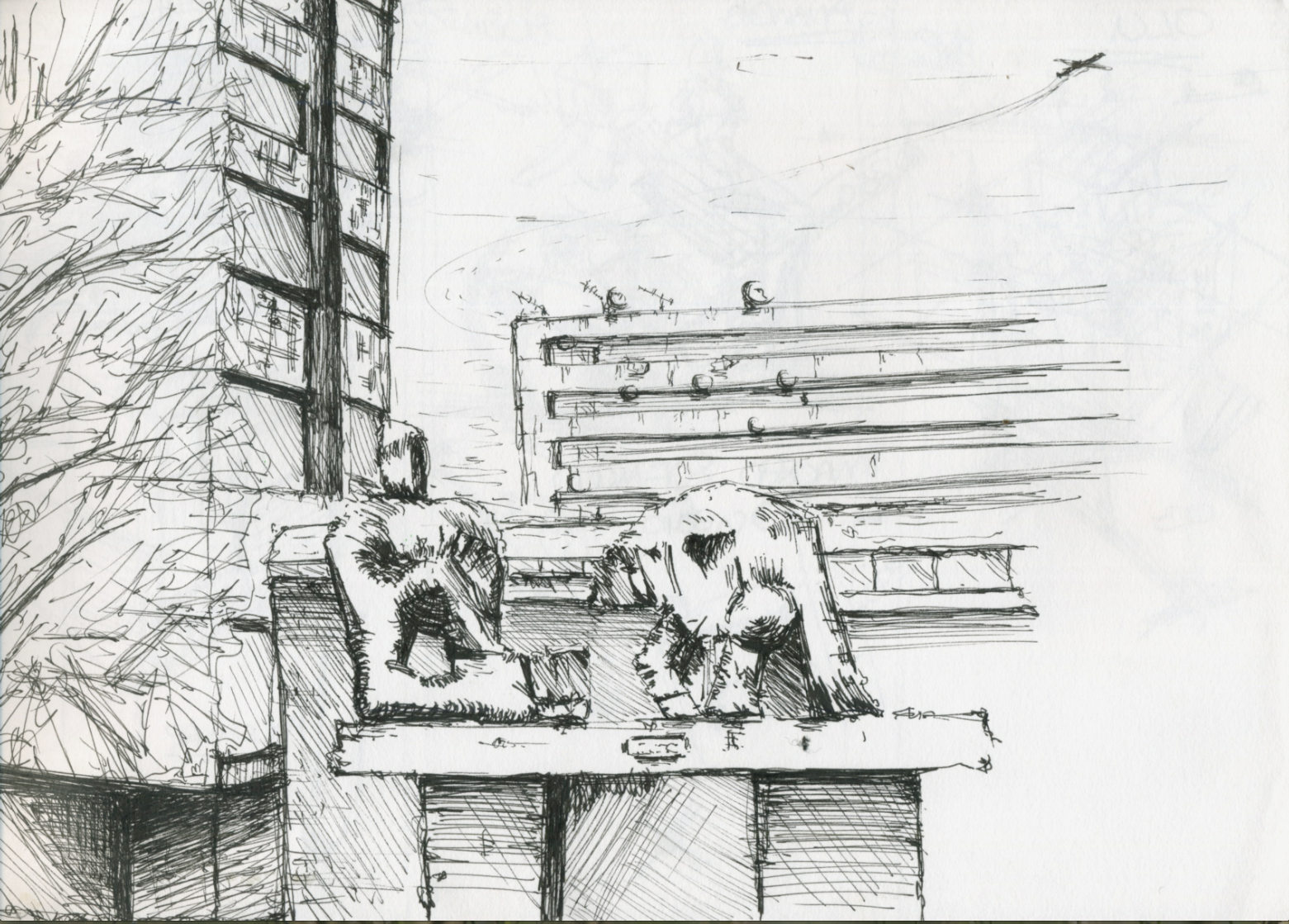
Overzicht over Stadshavens Rotterdam in de Rotterdamse Stadshavens.
No heating?
A lot of potential, especially when its far better to not even introduce heat in the house apart from the occupants and appliances. Also heat exchanger to bring in fresh air to overcome the stale air syndrome.
On more recent projects window opening is allowed!
Mood Board
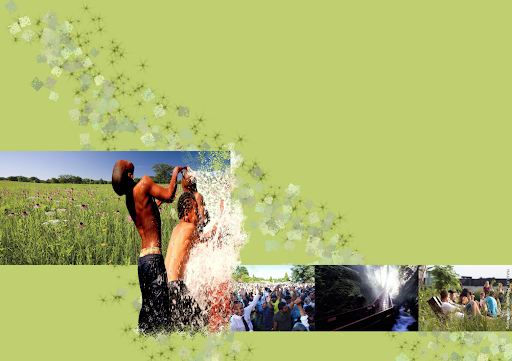
Precedent Images
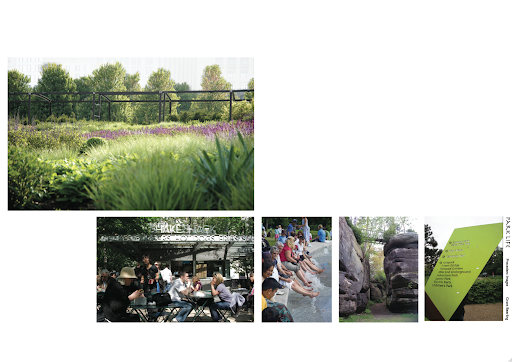
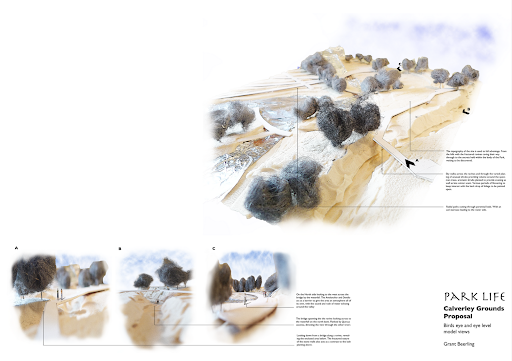
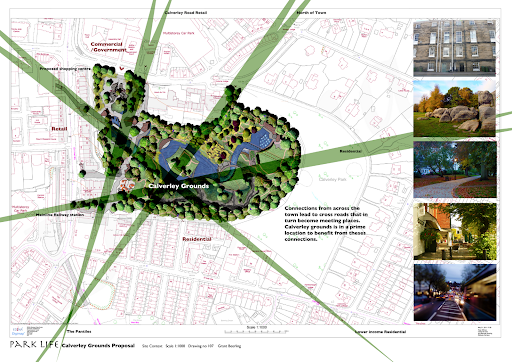
Using the Grounds to become a cross roads for desire lines (i.e.the shortest routes from A to B) that people will use. Connecting the various areas within TW, both past and present.
In particular the new shopping centre, with a bridge going directly (at an elevated level) to the park (with the bonus of underground parking being covered by the park).
This allows for retail, in particular the lunch time crowd to gather at the upper part of the park (see below). Circulation is important for choices and uses of the space. So, a short term stay in the upper park or a longer more relaxed exploration of the grounds. A return visit to a memorable spot, a concert, a visit to the restaurant at the top of the grounds, ice skating in the winter with the bonus of a nice hot brew from the cafe.
Circulation Plan

So we have got the people in the park, now for them to move around, explore
and discover what the park has to offer.
A big issue with parks is the simplistic view of what they should be. Too many Councils still hold onto the old Victorian view of a place to parade on a Sunday.
A park must function within the context that it resides. So in this a case, the fact that its in the middle of a busy town. So easy access for the brief and regular visiting crowd of lunch timers. Therefore, Provide food, somewhere to sit, to people watch (the most common sport in the world), to meet, (especially at a corner or a junction i.e. a place) and finally provide water, to watch and interact with.
None of this should be assumed to work, so the study below produced in 1980 in New York by the famous (or should be) Mr Holly Whyte will enlighten if the concept of place making is new to you.
All Town Planners, Urban Designers, Landscape Architects and Architects must and should watch this before undertaking ANY Project concerning public space.
From a previous blog
On the third viewing (…sad I know) the point of ratio of human space. Too wide and the distance will not be to scale, and narrowness in not necessarily a deterrent. To finish, a quote from the great man himself,


 It's about people, stupid...