Unveiling the Truth about Rent Control and Land Values in Housing

Featured

Further analysis of where Vicky didn’t go!

A great interview with Housing journalist and author

My comments on the interview and replies to other’s comments are in parts two and three.

I’ve been researching housing unaffordability for seven years and am about to start writing a dissertation on Rent Control (℅ Dr Anna Minton). After all these years of trying to find solutions, the elephant in the room is Rent Control. Why?

This is a disappointing and slightly dull answer, but it’s one of the keys that has unlocked many doors for working—and middle-class people who don’t want to spend 30-50% of their income on a 40-year mortgage or rent to a landlord.

Some of the main authors to thank for this conclusion are John Doling (tries to be neutral), Danny Dorling (left), Nick Bano (left), Kemp (right), and Christine Whitehead (LSE, right). It is always good to see if there is a counter-argument of value—there isn’t.
(As well as Smith, Ricardo, Marx, Keynes, Piketty, Blyth, Mazzucato, Christophers, Kelton, Richard Murry and Minton)
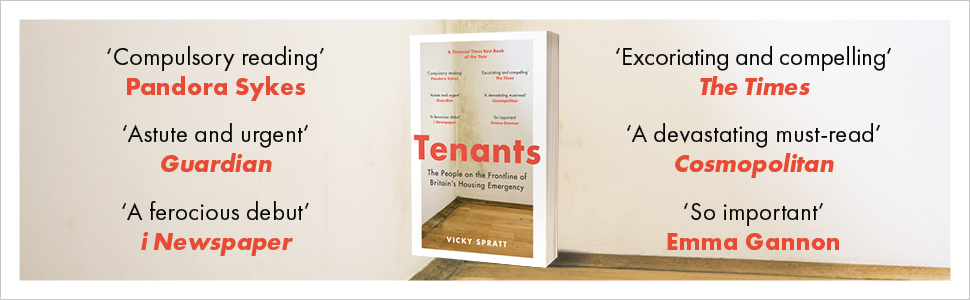
Her Book, Tenants

Why? An example: I’m a former bricklayer who ran a business in construction, so I know about house building pricing. My humble little flat;
In 1994, it was purchased for £47,700 with a floor area of 42m². In 1994, it cost £600 per m² to build, thus £25,200 to rebuild. Therefore, 53% build/47% land value = £47,700.

The killer point: in the 1950s, land values of new builds dropped to 3%. Based on those values and present-day build values (£2K per/m²), my flat would be on the market for £86,600, which equates to 2.4 times the full-time national average income (£35K). 2.4 times was also needed in the 1950s-60s for a single average income to buy an average 2.5-bed semi (.5 being the box room).
Exposed;The Big Con

Who really pays for pseudo-public space?

Over the past 40 years, there has been a slow creep of what is known as pseudo-public space. This space is not controlled or maintained by public elected bodies, even though when you walk, drive or cycle through the space, it may at first seem public; after all, you have entered without going through a gate, and there was no signage and anyway, everyone else seems oblivious to its status, so it must be like other public space, like the street outside your front door or the local high street. Turns out it’s not.

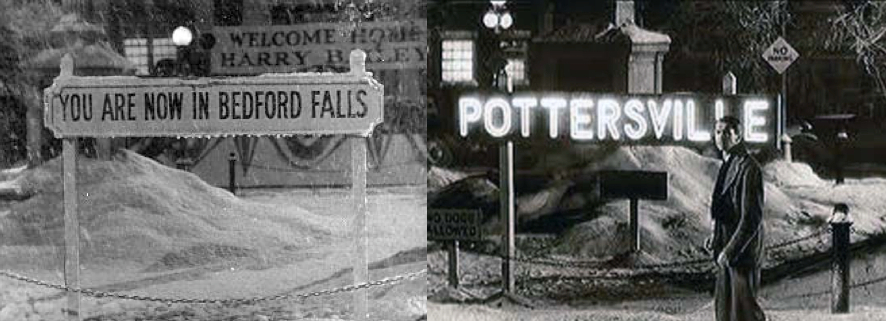
We are no longer living in post-war ownership freehold based Bedford Falls but leasehold to the rentier dystopian Pottersville.

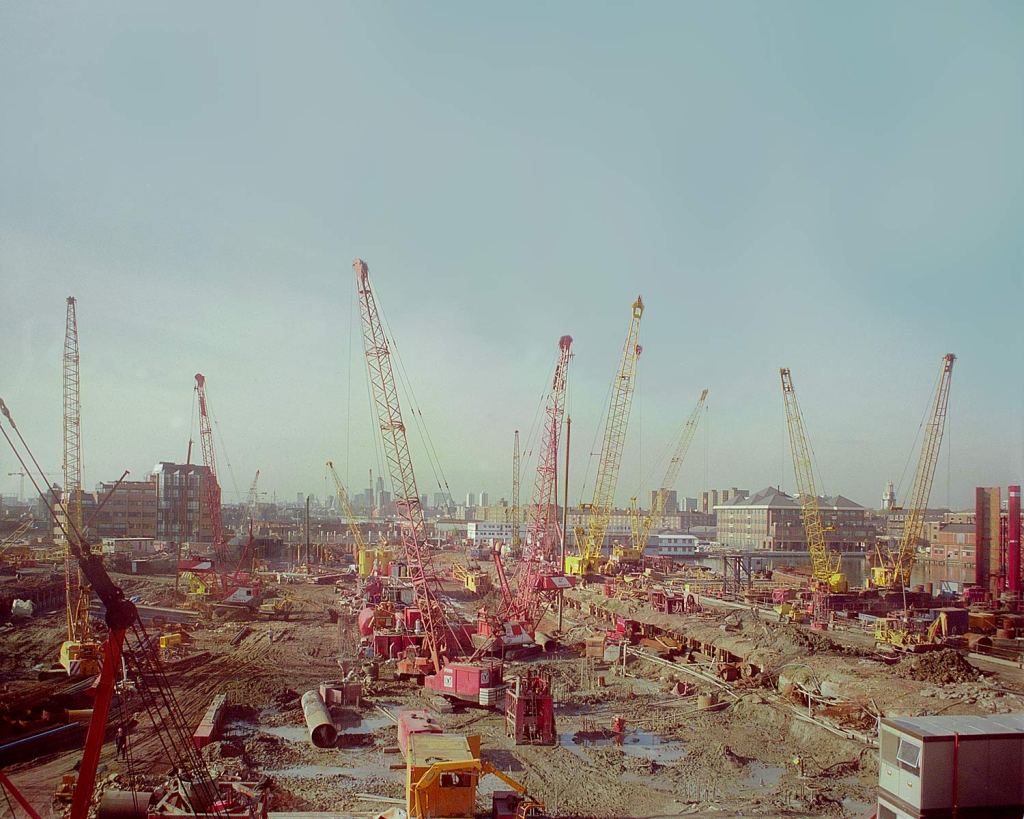
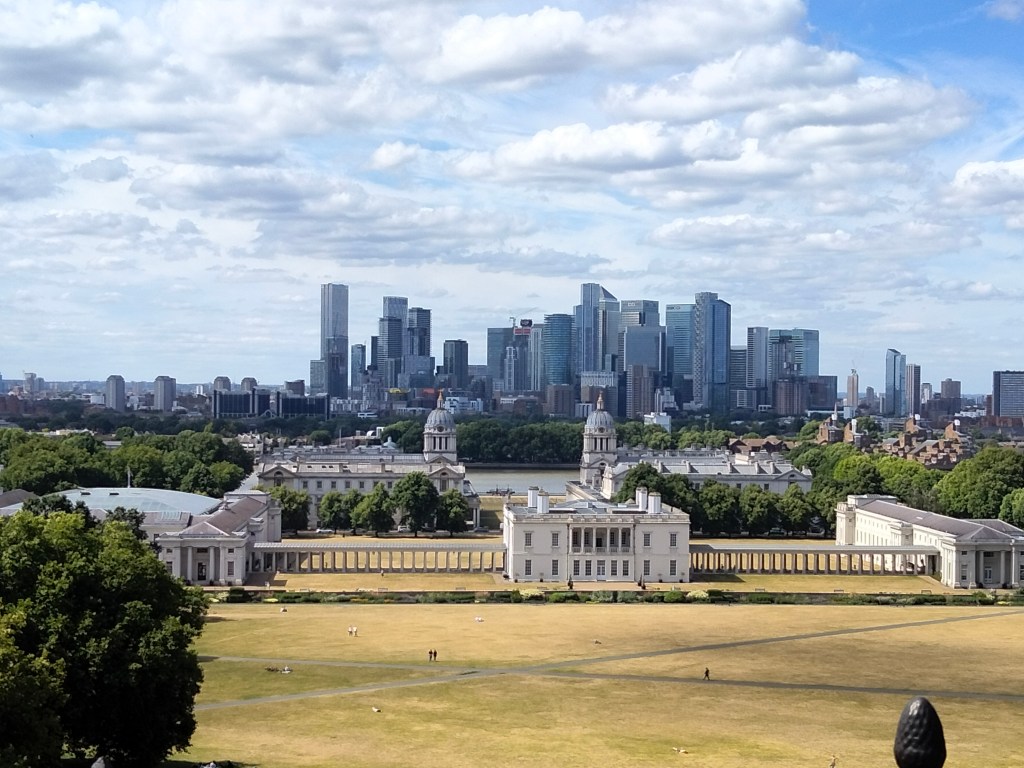
The first example is Canary Wharf, which started this trend. The government of the day had a problem. they wanted to redevelop a declining and abandoned part of a city without spending too much public money. So, a deal was struck between private companies and the central government.

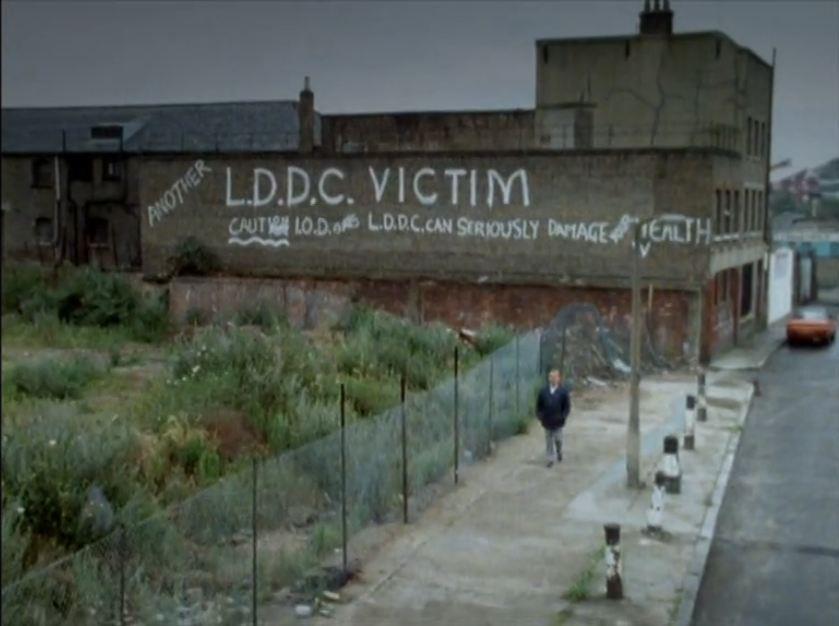
The deal was based on the US idea of the Urban Development Corporation (UDC), which became the London Docklands Development Corporation (LDDC), so the project had no local government or the then Greater London Council (GLC) involvement; they were completely sidestepped. The basis of the idea was that the land would be sold and held in perpetuity as private land, but with public access, all well and good, but the devil, as always, is in the detail; this access was granted as long as the new owners had the right to create their own rules concerning who, when and where access was granted. Again, on the face of it, this seems fair.

Still, it turned out to be pernicious, as decisions were made by the private owners as to the ‘type of person’ who would be welcome, and here is the second and even more powerful rule of self-interest, as the new owners (freehold owners) needed to justify the high rents, which are a combination of ;

1)Ground rent: The property owner (the flat/business premises) does not own the land it was built upon; thus, they are a leaseholder, not a freeholder, and must pay ground rent to the freeholder owner.

2)The service charge covers building maintenance, the concierge, and all other external services, such as the upkeep of the parks and gardens, rubbish clearance, CCTV, and security guards.

Why security guards? This service is needed to justify the high rents/service charges by providing a ‘safe environment’, a conjuncture for getting the right people with money to spend and keeping out those who can not. They are often dressed like the police to make their presence known, which is fine if you fit the correct demographic; if not, you will be hassled by seemingly innocent questions and reminded that you are in a private space, further blurring the lines between private pseudo-public space and actual democratic public space.

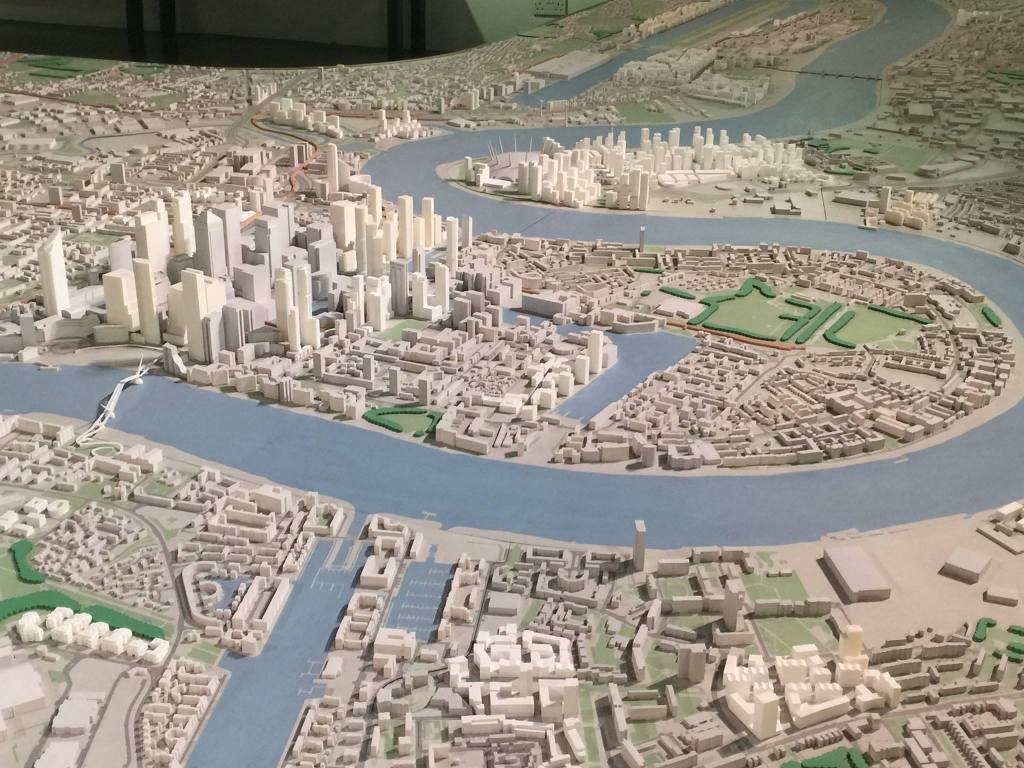
Canary Wharf 2020s

Piketty; Stirring up the Hornets Nest

Looking at the conjuncture of his research and why it caused such a reaction

Even French economists have an air of the “Nouvelle Vague”

This piece is in response to questions concerning Thomas Pikettys book ‘Capital of the 21st Century’. I’ve read and studied this and his equally thorough book ‘Capital and Ideology’. I don’t pretend to be the last word on Piketty’s writings, and the man can more than defend himself, but what follows are some crucial points to his overall argument. 

Note; when I say conjuncture, it’s in the context of Stuart Hall’s “conjunctural analysis.” Briefly, the subtext of an issue, so for example, ‘benefit scroungers’ as political discourse, as a conjuncture, means we need an excuse for reducing payments for the unemployed so we (the government of the day ) can reduce deficits and grant tax reductions for the demographic of future voters of whom this would appeal. (Hall 2021) (Jefferson 2021)

Anonymous comments concerning Piketty’s Books from the political and economic academic Marianna Mazzucato’s video on her book; The Value of Everything

1- He does not consider the most critical facts, and it lacks historical evidence and contradicts reality.  Its claims appeal to ignorant people with little idea of economic history and financial concepts.  I am not surprised that the presenter relies on such a reference because most of what she says she can’t justify with evidence

2- He claims wealth is passed down from ancestors. He ignores the historical fact that most wealthy people have not gotten wealthy through inheritance. He claims growing inequality is a function of capitalism but ignores all other systems.

 3- Picketty examined the circumstances of wealth in the 19th and 20th centuries and concluded that the 1% owned more wealth than previously. He confuses statistics with individuals, like many people who don’t understand statistics.

Video in question.

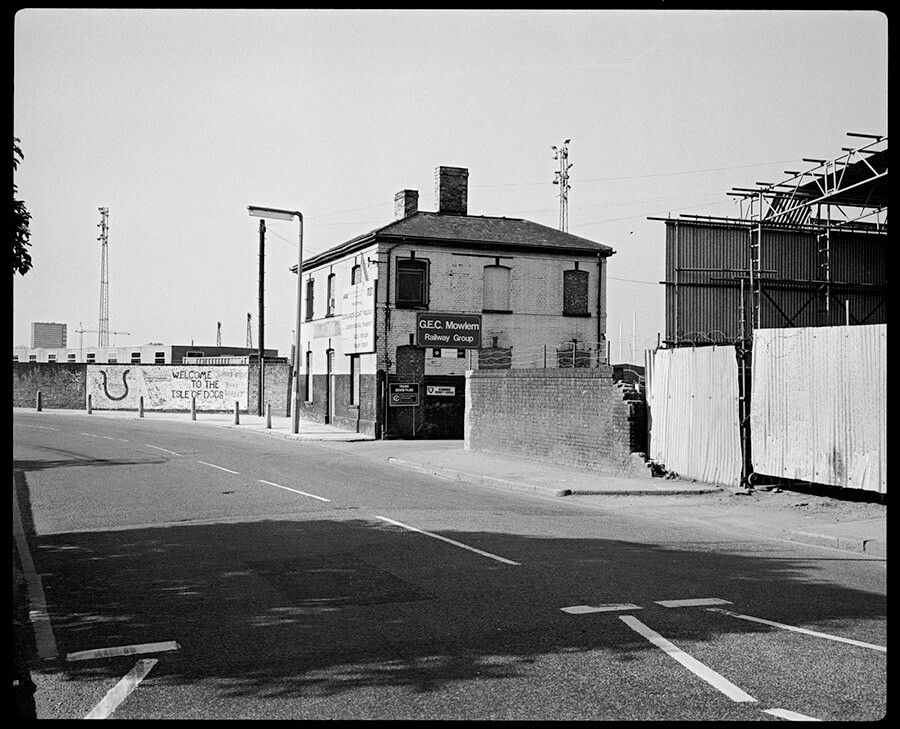
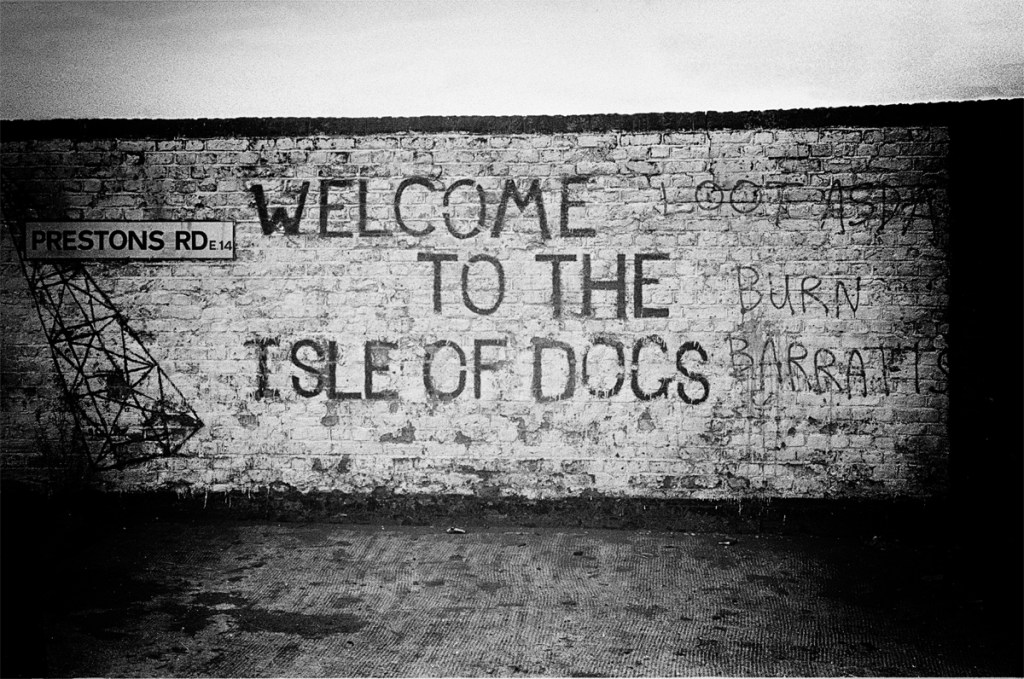
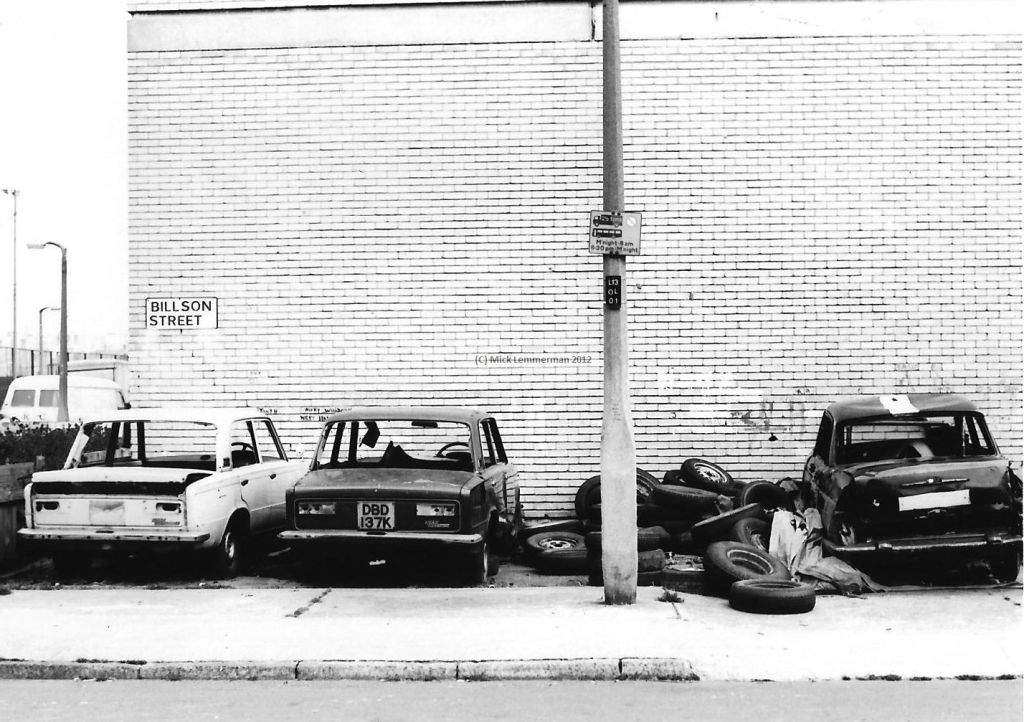
Gone to the dogs?

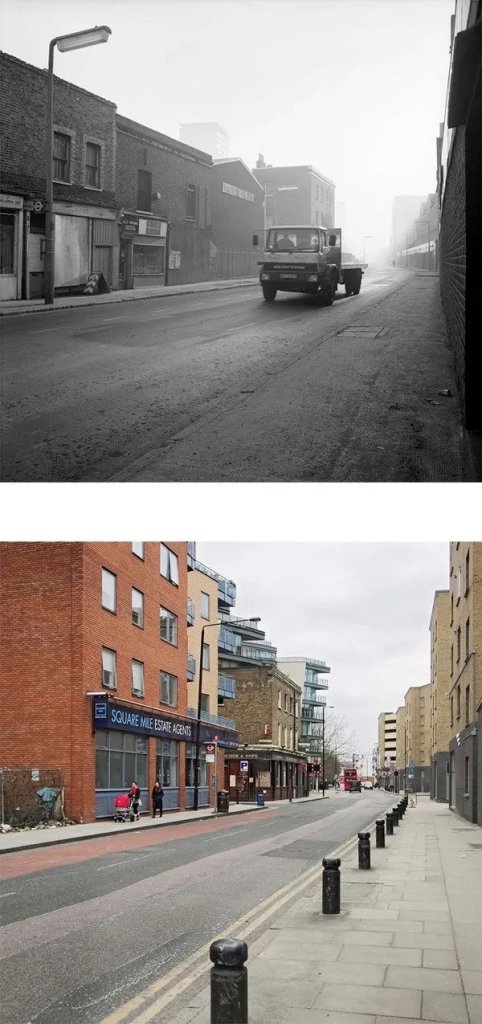
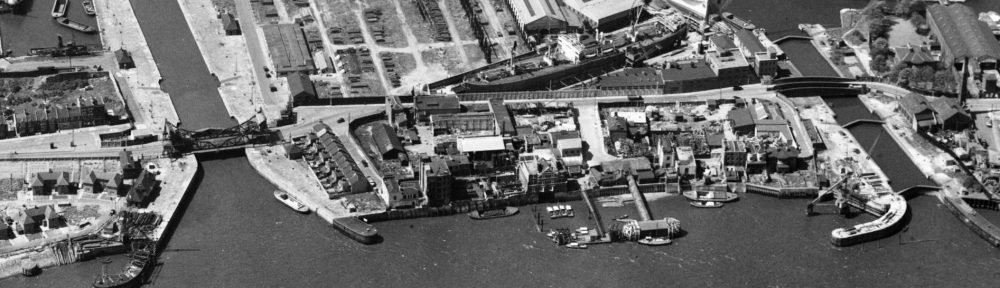
(Note many thanks for the images from Mick Lemmerman’s blog; The Isle of dogs – past life, past lives)

Two examples of people movement on the Isle of Dogs;
Sideways and Vertical.

When putting together a presentation concerning a brief history of the Isle of Dogs in the Eastend of London, I stumbled on a 2nd less well known influx during the 1960’s, also promoted by a centralised organisation, but far more inclusive than the later corporate organisation foisted upon the community in 1981, namely The London Docklands Development Corporation (LDDC).


The former was the London County Council (LCC) (later to become the GLC) which derived from the post war housing consensus and in particular the 1947 housing act.

So as with all things, looking a little more deeply into the policy of a pre LDDC government select committee, comments within the paper questioning the new law to be presented to parliament. As with many acts of parliament is has to go through various cross parliamentary committees to scrutinise a controversial bill. This bill was no exception born out a new ideology of Free Market Neoliberal Capitalism as promoted by the Thatcher Government of 1979, from the theories of Friedrich Hayek and Milton Friedman (and the rest of what was known as the ‘Austrian School’).


This was the first real opportunity to enact the low regulation ring fenced policy centrally governed via unelected quangos on a large scale”.


To say this was a 180 degree shift from the previous economic and social ideology would be no exaggeration. This is born out in the two shifts in the islands population, the first in the 1960’s which I will call a horizontal shift of people, so not strictly Gentrification in the Ruth Glass terminology of the 1960’s and the present day, and a 2nd more seemingly effective solution in the context of monetary value to the area, but not necessarily for the original local population.

Both influxes have problems.

Early 1980’s