
My Reply
This is not 9 years of thinking; it’s 9 years of reading, attending academic conferences on housing, travelling around the country to talk to people, studying economics since the Poor Law, reading from Thomas Mun (mercantilist) through to Hayek and the more recent Piketty, with many of the other classical, Marxist and Keynesian economists in between.
I have examined how government policy, law and fear of revolution can change outcomes, from policy approval to outright rejection, and have had further discussions with others with far greater knowledge than mine, including city traders in complex tax arbitrage and academics in housing, land reform and the social sciences. As stated, these conclusions don’t come lightly; I have also wandered down dead ends and false trails, which, in academia, is part of the process.

Even though I recently completed another research master’s in the subject, there are still unresolved elements, most recently the middle-class denial that anything is wrong and the question of why they should care. Until it affects them directly, as in WW1, the 1930s, and WW2, they will assume they, too, can be part of the 1%.
But I thank you for your reply.
To address your points, they align with what I expected and are similar to the post-1915 Rent Freeze, and later Rent Controls (though poorly implemented).
1) Why would anyone not just put their money in a bank instead of investing it in housing? You already see and say that house prices will fall under your regime, so there is no increase in asset value to fall back on.
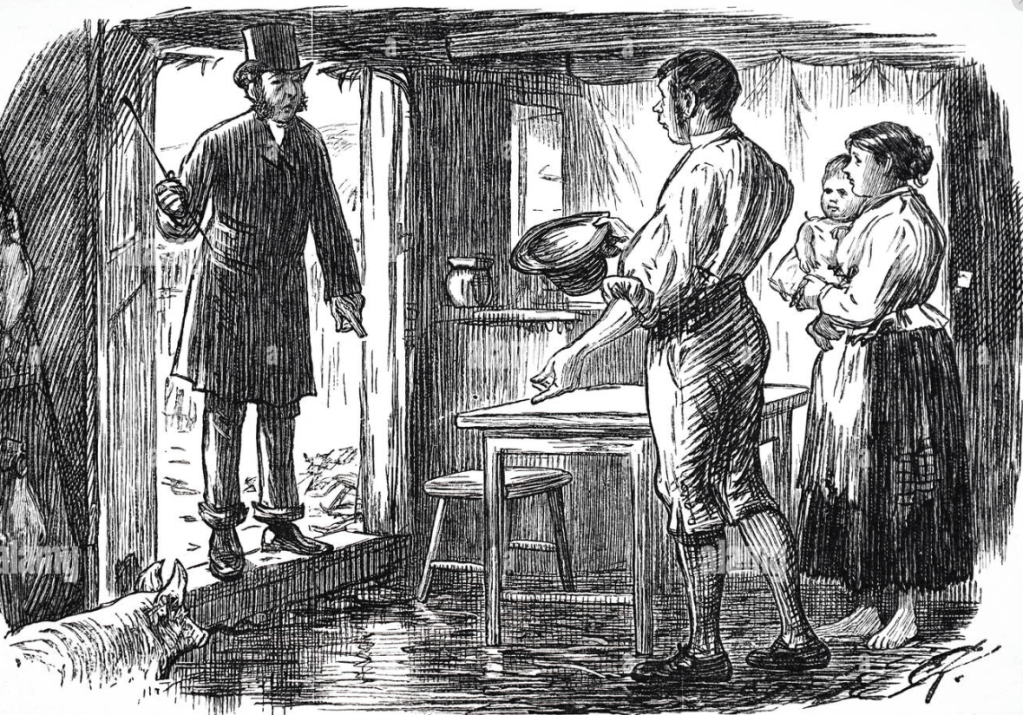
This comment alone gets to the wider issue. Who is in charge? The landed who, by their grace, build and rent so that they can extract from the labour surplus value? That is the entitlement of Kings, right there. That is not about a fair society but one of rentier extraction that Adam Smith called and condemned as the ‘unproductive class’.
But getting back to your point.
That is exactly what happened! Thus, as stated, rent control on its own would not work; it has to be in conjunction with a government social housing policy, as per the 1919 Housing Act, which really started the local authority-funded social housing building programme up until 1979.
And yes, as stated, there’s no future yield; that’s the whole point.
Private wealth is not the provider of last resort for anything, as proven by QE in the 2008 crash, when banks lost trust in each other’s debts and the ultimate creator of new currency, the government, issuing a decree to the Bank of England, created 100s of billions of QE out of nothing.
Note that this is also far more complex, but new money issued into an economy without the resources of production to absorb it will cause price inflation of products, as the ratio is out of kilter, just as free-market lending with newly created money (out of nothing) via licensed banks for mortgages has created… land inflation! surprise, surprise!
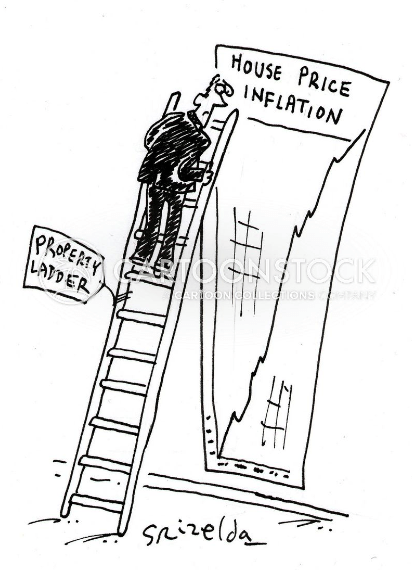
So to continue, land values fell from the 1920s to the 1950s; that is the whole point of de-commodifying land: to keep speculators out!
Remember, licensed bank-created private money (loans) is not the only new money available. The government decrees to the Bank of England to create and spend into the economy, as proven by QE, they don’t have to go via the bond markets (a gold standard unnecessary relic).

