Recently watched a Vpro ( documentary maker from the Netherlands) documentary. Highlighting the issue of University inventions and thus patents being given away free to private industry to use and then profit from, with the bizarre reality of the state buying them back including a rent for the patent! Think pharmaceuticals and the NHS.
The well known and often quoted is the iphone, most of the internal components were government funded projects for defence, navigation and general public funded university research, all used by Steve Jobs and co, and cleverly put together to create the ubiquitous smartphone which was then marketed for huge profits, with none going back to the publicly funded organisations as if it was all the ideas of just the private sector (remember these corporations also avoid taxation).
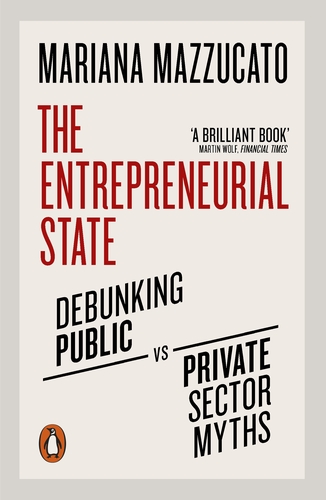
So Mariana Mazzucato goes through this in her book The Entrepreneurial State (debunking public v private sector myths, video further down the page) and the Vpro video.
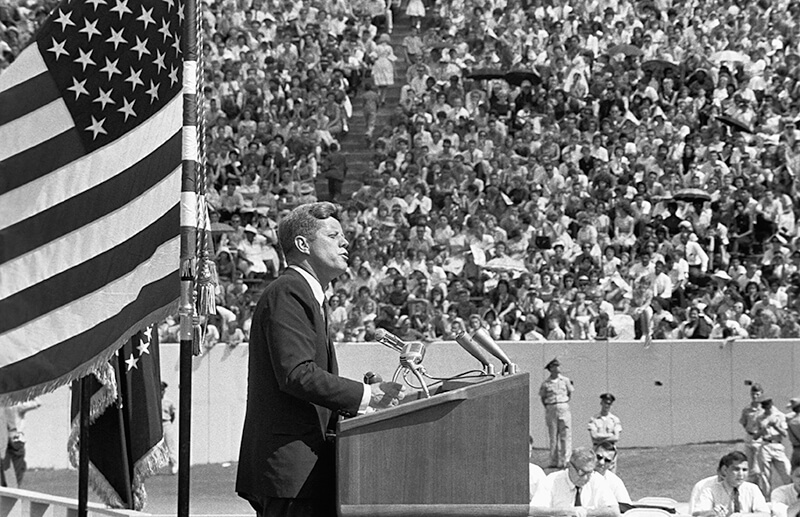
One section near the end caught my imagination. Problems are there to be solved, the Kennedy moonshot speech;
“We choose to go to the Moon. We choose to go to the Moon… We choose to go to the Moon in this decade and do the other things, not because they are easy, but because they are hard; because that goal will serve to organize and measure the best of our energies and skills, because that challenge is one that we are willing to accept, one we are unwilling to postpone, and one we intend to win, and the others, too”.
I am very aware that where money comes from is very complex, controversial ( some say for reasons of keeping the public ignorant) and has been argued about for at least 5000 years (anthropologist David Graeber: Debt; A 5000 Year History). The modern banking system has evolved quite rapidly over the past 300 years, changing as each idea fails or causes a boom bust cycle, which again is what unfettered capitalism does ( yep, Marx, Keynes observation) it’s almost as if capitalism if unregulated kills, but if controlled can bring life, and the ‘love’ (or the status it can bring) of money is the root of all evil, or certainly brings out that inner demon of greed we all have lurking within us.
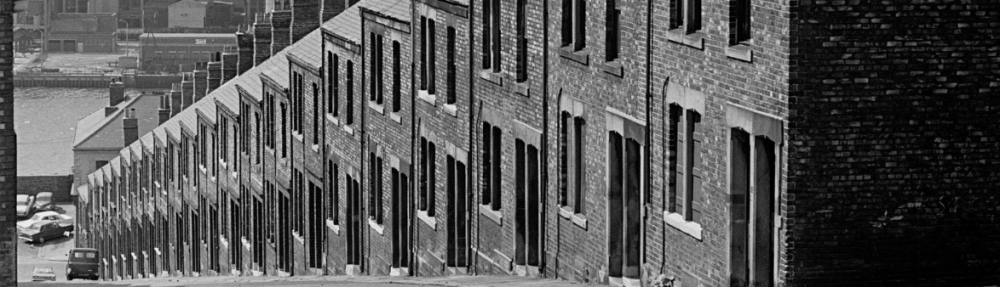
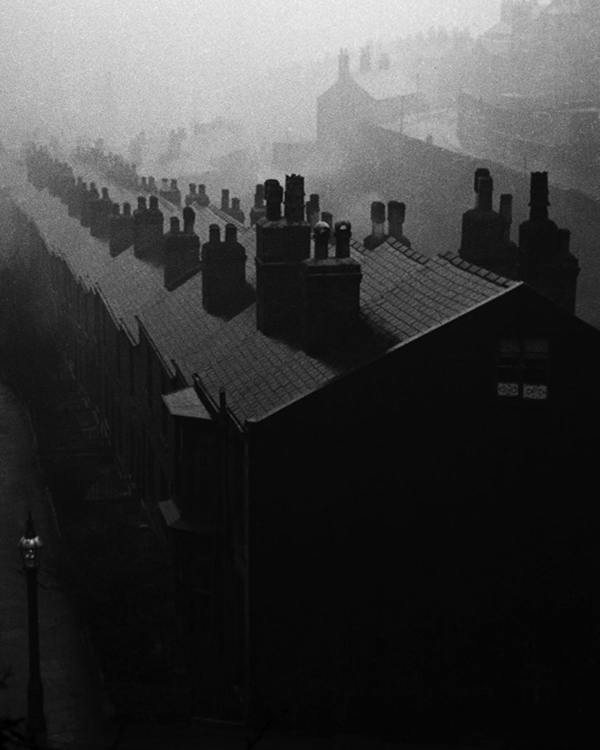
“The ultimate result is slum tenancies, built as a minimum for the procreation, briefest of rest and subsistence of working labour”
So the seemingly innocent intersection of roads and footpaths has become so imbedded in our subconscious that we hardly recognize its importance, and yet the phrase ‘meet you at the corner’ is part of our everyday life. So why?
It’s a node
More options of escape, fight or flight
A prairie view
That’s the text-book view, but it’s so much more than that.
So to understand the culture of the street corner in a housing district that is designed around the grid street system ( think squares ), a social document should be viewed, understood and lessons learnt from said study.
An easily understood document is a TV series from the early 2000’s called the ‘The Wire’, considered by the local community, police, politicians, educators and press to be an accurate portrayal of the Baltimore area 1995-Present.
Written by a former crime reporter of the Baltimore Sun, David Simon and Ed Burns, a Senior Detective. They collaborated on a book ” The Corner: A Year In The Life Of An Inner City Neighborhood” This was written from a street perspective and eventually was used as a base for The Wire.
So you have the corner shop and corners occupied by the drug dealers. The series goes through the turf wars between the dealers, the police trying to rid the corners of the gangs ( think; futile), the politicians trying bury/solve the problems to thier advantage within 5 year terms, the education system trying to give the children a way out, all in the confines of a post industriual town with middle class flight. The series is about all the consequences of little or no investment into new industry, of fire fighting rather than getting to the root cause, and ultimatly letting it fend for its self.
“The recent History of Baltimore is the same all over the post industrial world where the old heavy, labour intensive industries move out or are mechanized, leaving a local population with a lost identity of work and place.”
Think of the Royal Docks in the east end of London, once the container shipping moved in at Tilbury, the boom of the London docks died over night, leaving disenfranchisement, no identity of place that had a sense of pride, no industry leading to high unemployment and eventually no hope.
A void remained to be filled, and with the local politicians with a small government agenda this will not stop the natural hard-working resourcefulness of people, it’s just that the easiest way with highest profit is at present drugs for the resourceful and for some, who lose hope, it can become a form of escape from the harsh relativity of day-to-day living. So the ‘Supply and Demand’, pure Smithsonian Market forces that the neoliberals propagate as the capitalist utopia with the invisible hand of self-regulation, will, left to its own devices bring us to a place where every man helps his brother for the good of the market. Experience tells us this is not so, short-term markets post big bang* will not allow this, the god of self-interest*, our irrational inner chimp*, fear* and greed all add up to the distopia that is Balitmore.
“And the corner is where it would be played out in this Drama”
So the how does the humble brown paper bag relate to all this?
Below is an interpretation of a scene from the episode where this all comes to a head, leading to the parable.
Obviously this is not the answer, but the point of the exercise is to look around you, take stock and think. The rational rather than the reactive*is needed to understand the cause and effect of a small change mixed with compromise can offer a solution, and get the thinking to a more Lateral position, asking different questions and exploring the consequences of long and short-term interventions.
“So the street corner where people, stop, meet and feel comfortable, it’s a place of high value.”
If a place has high unemployment, no hope then it can become a place of conflict, but it’s still a place, good or bad.
Ultimately people need money and at present that comes through gainful employment, so no matter how many beautiful parks, housing developments we build, if people don’t feel valued in themselves, then that will show on the outside. No work, then other high profit means will appear. Gentrification may push the problem elsewhere under the carpet, but you will eventually trip over it and fall flat on your face, i.e. Baltimore, Trump, Brexit etc.
This is what a Rowndtree commission conclusion was on Regeneration, but more of that for a later post.*
The film quality of the movie at the start is rather poor, but stick with it, as it’s about the content.
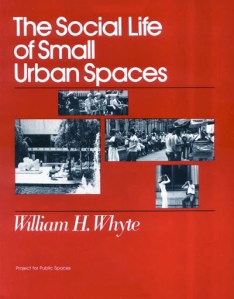
Made in 1980 so some amusement can be gained from the conservative fashion, but the main point is the simplicity of how humans react in public space and what makes a space successful or not. Note; at the end of the film recommendations are made to the New York City planning control. The effects can been seen today, think of how many areas have movable chairs and how the atmosphere of the city has changed from many complete no go areas, to a city that now feels much safer, at ease and sittable!
“The present issue (as with all popular cities) is ‘gentrification’ when regeneration arrives”
The present issue (as with all popular cities) is gentrification, the meat-packing district has been changed by the High Line Park which is great, but the lower paid workers who service the area are being pushed out by unregulated high rents, all cause and effect. So what ever we do as designers/planners we have to always look to the bigger picture, build a frame-work for flexibility so area can evolve without expensive re-builds and social cleansing.
“I so love this little film, Holly Whyte’s voice reminds me of my wise grandparents, thoughtful, never rushing a sentence, understanding the power of a pause and the simple profound observations of the world around them.”
A good review blog of the book. An essential for anyone who wants to understand Why some one would possibly want to visit and stay in your local park….Ignore this book at your peril. Based most of my final degree design on his proven observations
I will not be adding to this blog for a while as it will clog it up for those present 3 rd years BA’s (good luck to all) who maybe having a look around to see were we got up to in the storm that is the last 5 months of the Degree.
If any of you are the slightest bit interested here is a link to my final work that was pinned up (spelling mistakes and all).
Also continuing (must be raving mad) to study on the MA see ‘Felix in a Hat’ on the side. Sequential’s are slowly improving, determined not to lose that touch that so many before me seem to lose from graduation to finishing the MA. Time will tell.
Any questions etc, feel free to ask, just put a comment on this post. And remember ‘it ain’t over till the …… guy sings’ (bless him, you won’t find a better teacher).
Ok it was late and thus a bit monotone, and a few errors for you to spot!
The idea is to show you how to create a simple tree from above with shadow. Its a starter for you guys to build upon so the detail is basic for that reason. A foundation if you like.
It took a long time to work it all out so it has some value to me (at least). So i will share it with Greenwich Students LA and Garden Design, to give you guys something to work with. Really appreciate if you don’t publish this video, download it by all means as it won’t be up forever.
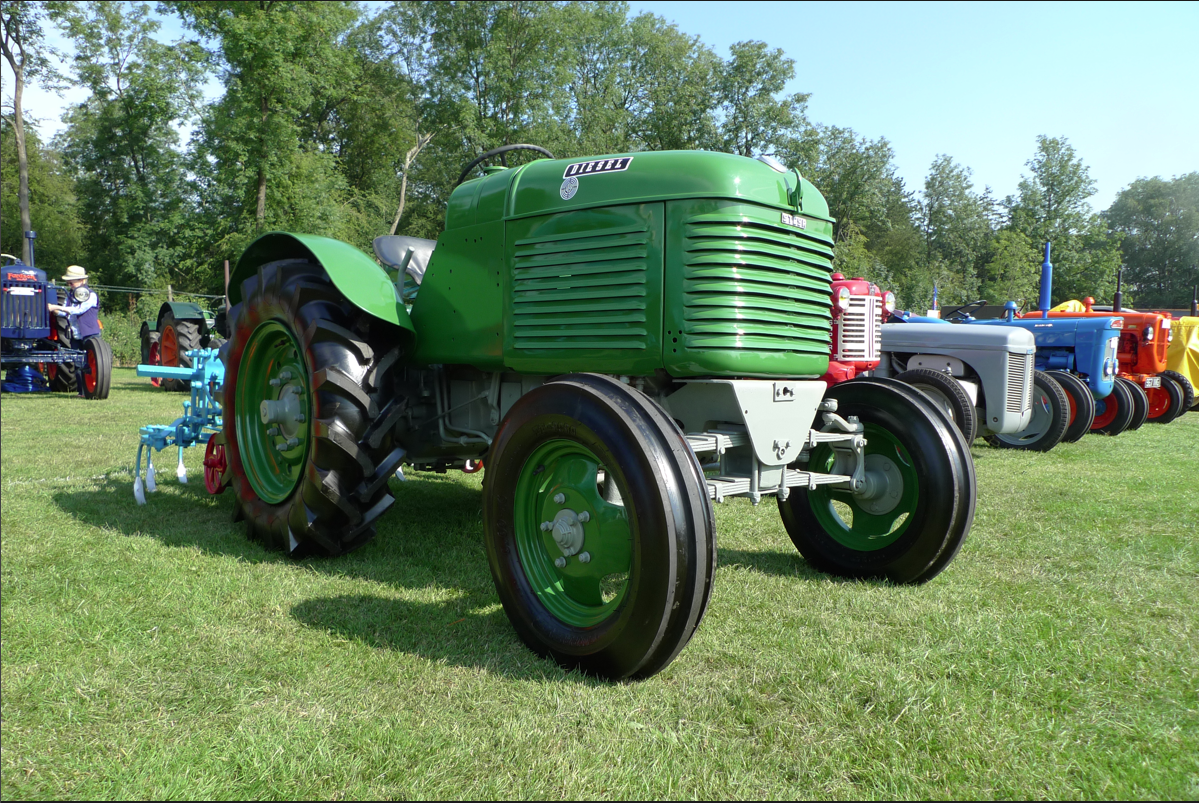
Thats it really, love looking at any old vehicle, everything has been designed by somebody and thus its quite fun trying to work out their inspiration.
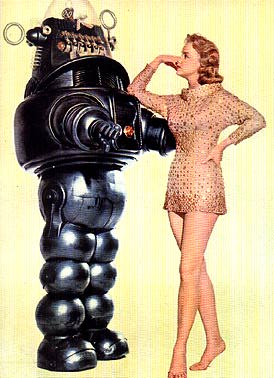
Robby the Robot
If robby drove or built a tractor (and as we all know Robby could build any thing, especially good at Whisky as the story goes, ‘Forbidden Planet’) i suspect it would look like this.
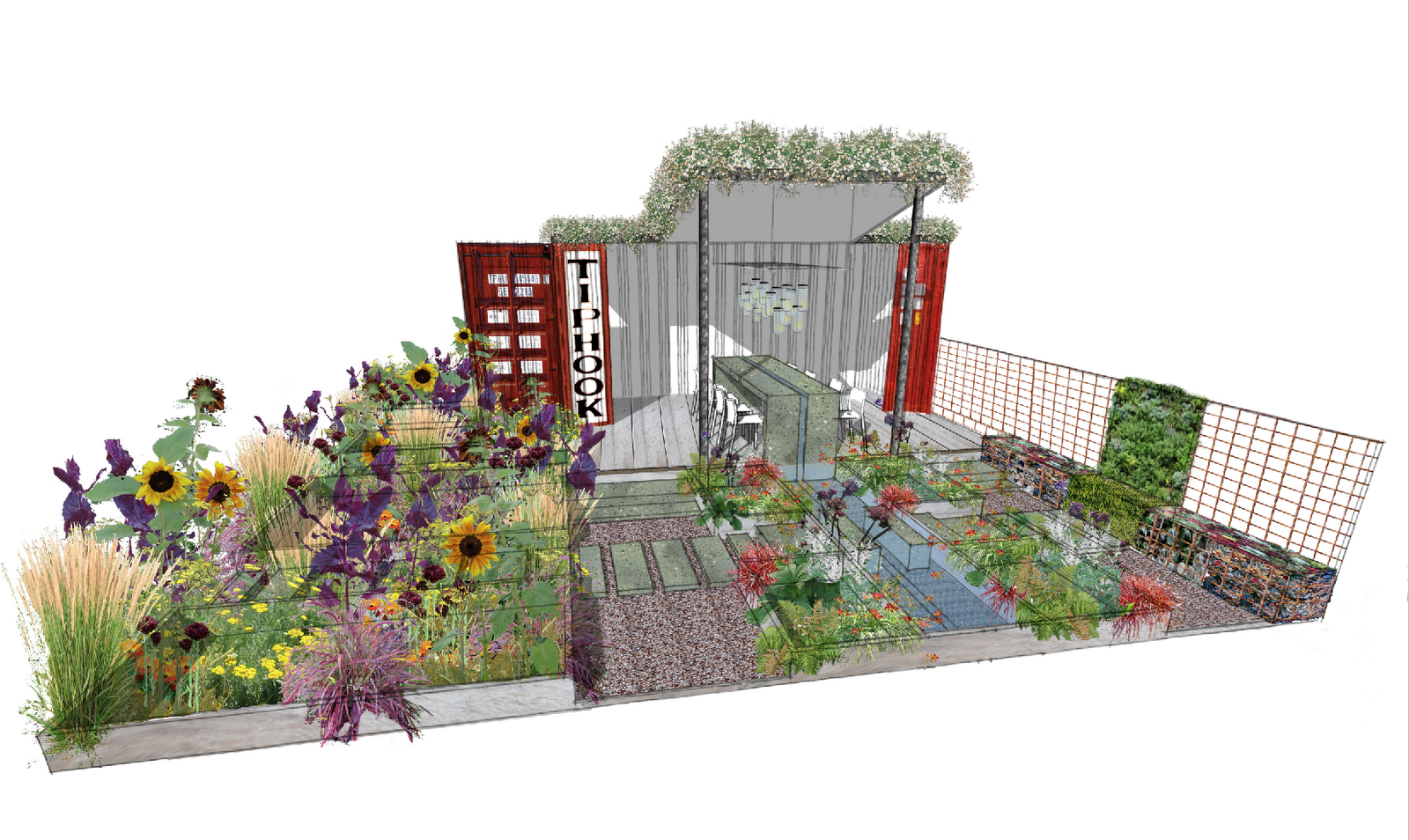
I went along to see the Show Garden that my good friend Whitney designed for Hadlow College.
Outstanding design and followed the brief to perfection. A ‘Top Gold’ (read best in show) was awarded, and rightly so….
So why was it so good?
Well these are just my humble observations
1) Balance, the ratio between soft/hard/water and the building was perfect
2) No Full stops, meaning that the viewer tended to look at the whole picture rather than just hot spots of design. Thus leading them in to explore further and notice the detail.
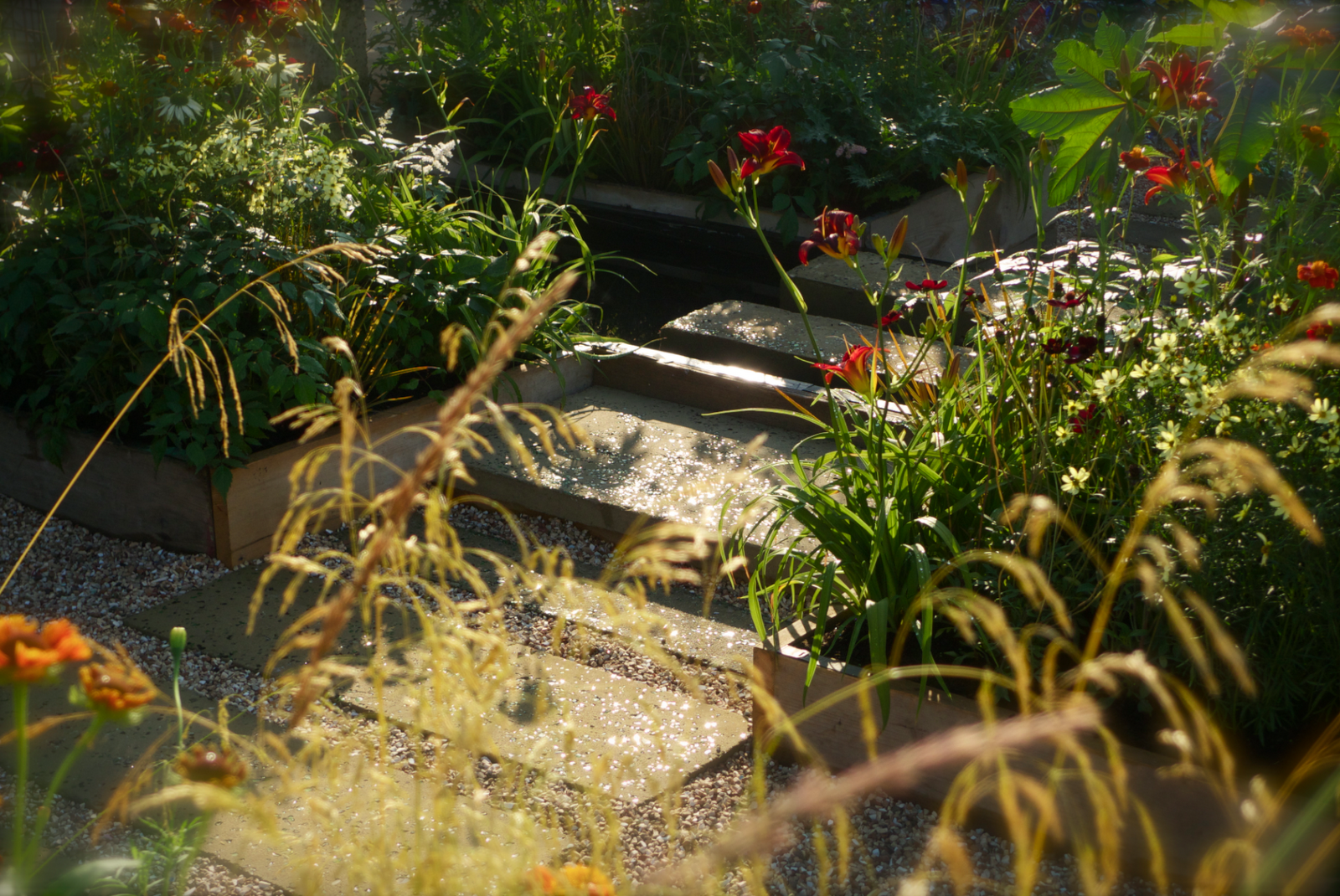
3) Journeys, plenty of them each leading to a destination, very hard to do in a small space.
4) Space, or the use of in the sense that the seating tended to be in the furthest corner thus back to the wall and more impression of space.
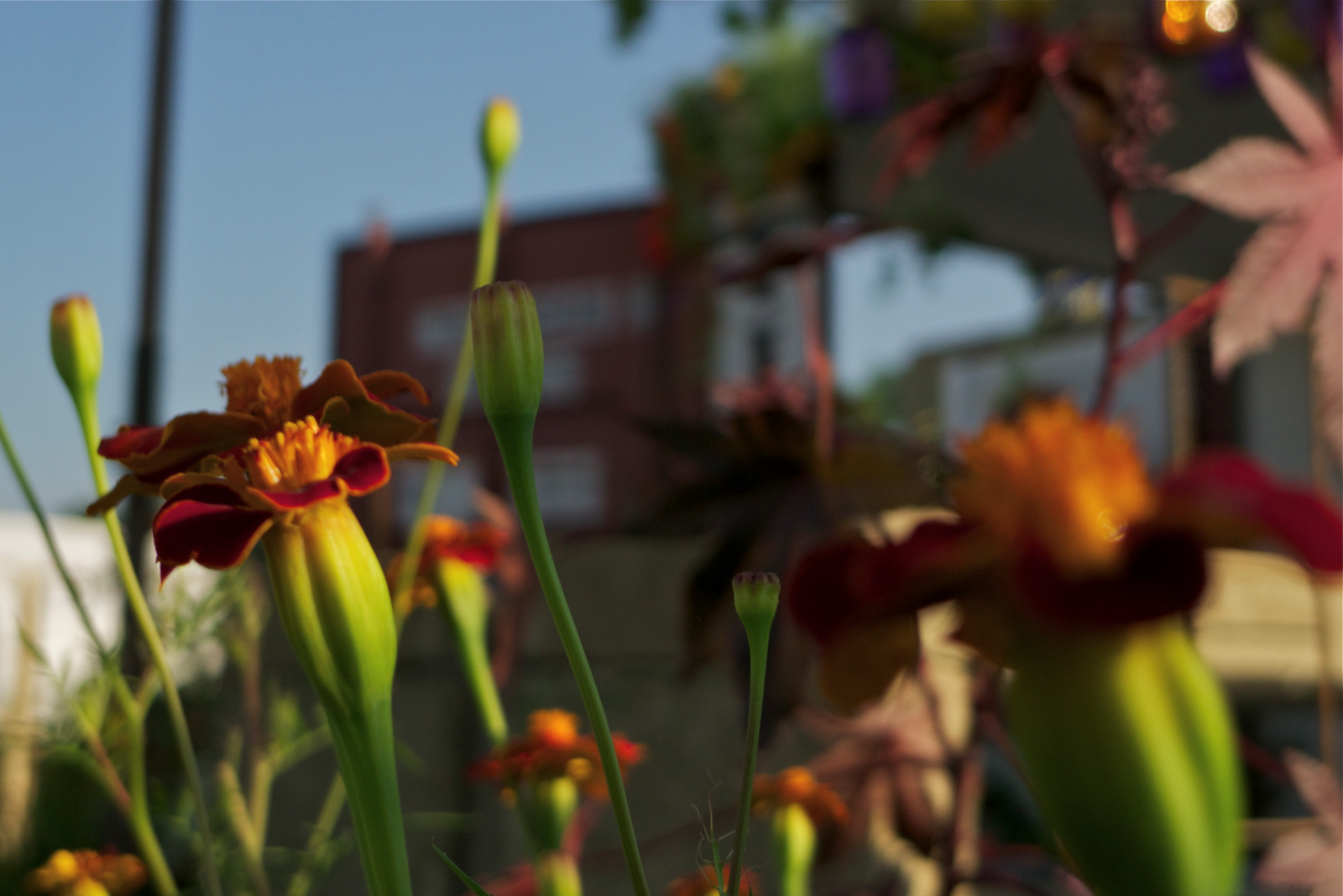
5) Tones, of the planting flowed interspersed with neutral whites to lift the strong orange/burnt yellows out.
6) Humour and idea’s, well we are British and we love a quirky idea.
As usual got a bit involved trying to do the art picture and forgot to take any overall pictures, hopefully Whit will put some up on her blog about the process of the site
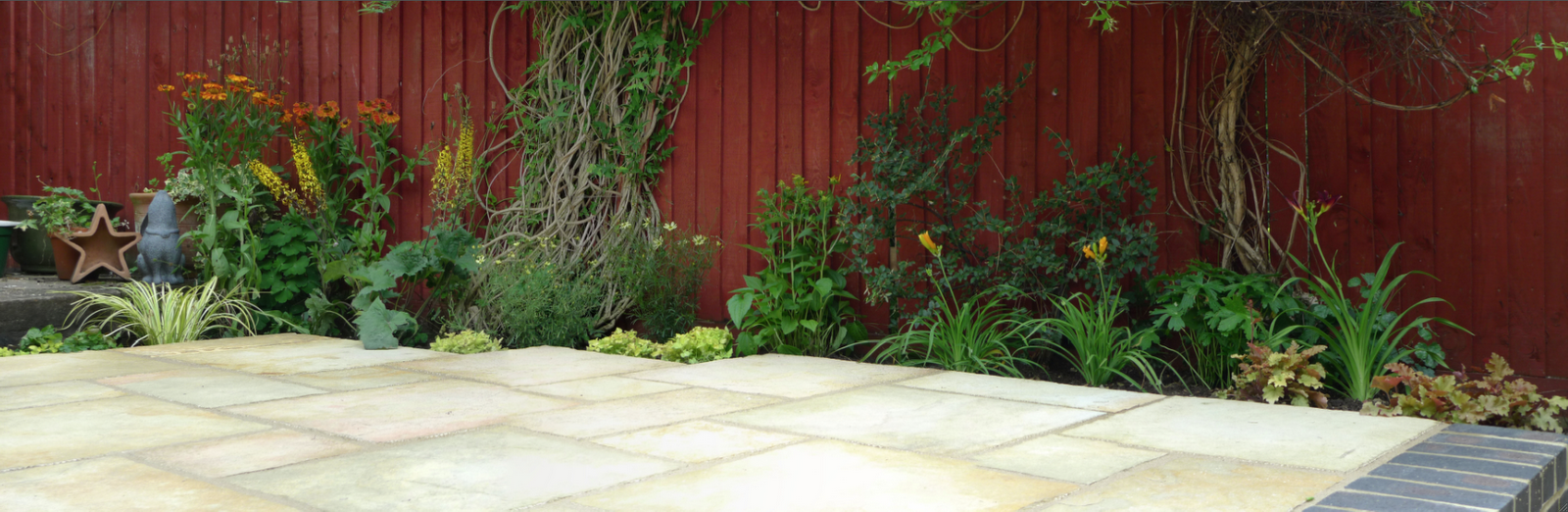
A small update on a Garden (alas no funds to do the lot)
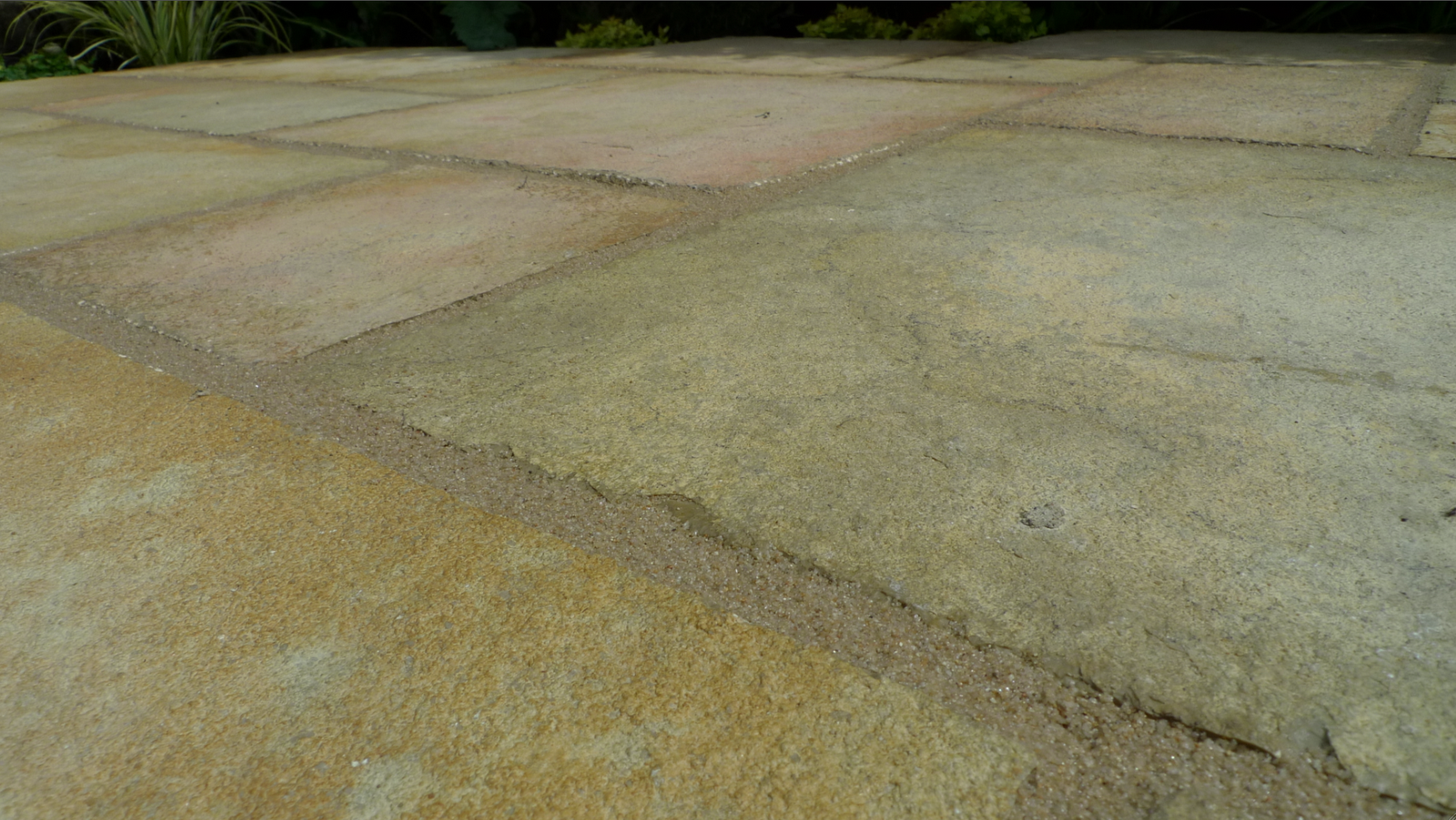
Always difficult matching your own work with other, in this case a builders ‘attempt’ and some DIY, so tried to match and improve, but with one eye on the future ie more updates so a bit of a balancing act.
Materials and issues
Every space throws up issues, in this case small, all grass removed, gradient falling towards the house, sleepers everywhere.
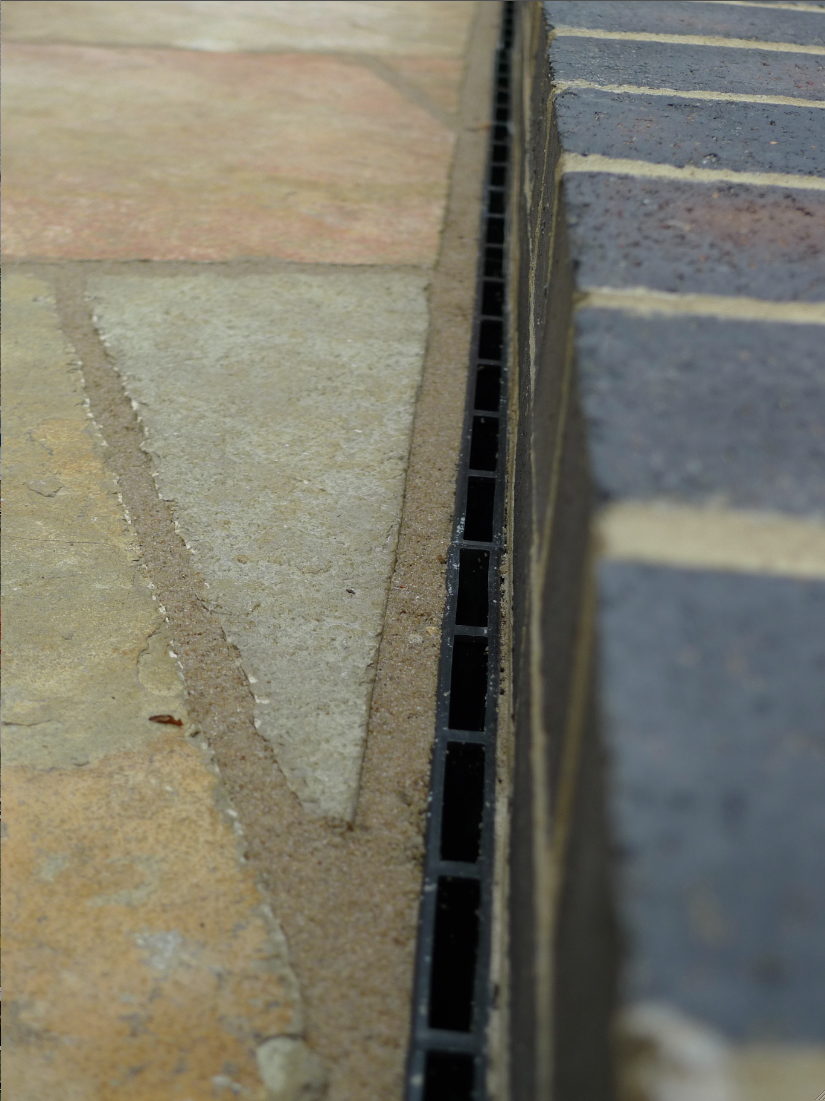
The main solution was to provide a new soak away (new crate system wrapped in geotextile felt). Volume .5m cubed (100m2 =1m cubed for well drained soils) for 25m2 area. Slit gully for ascetics, with an adapted ‘p’ trap gully to trap any fines and access for cleaning. All falls 1-80/100. Normal type one compacted/6 to 1 sharp sand mix for slabs, pointed with buff resin system (which if you pay for the proper German stuff is brilliant and quick, sorry Jamie i disagree with you on this one, now i’ll go and dive for cover).
Planting
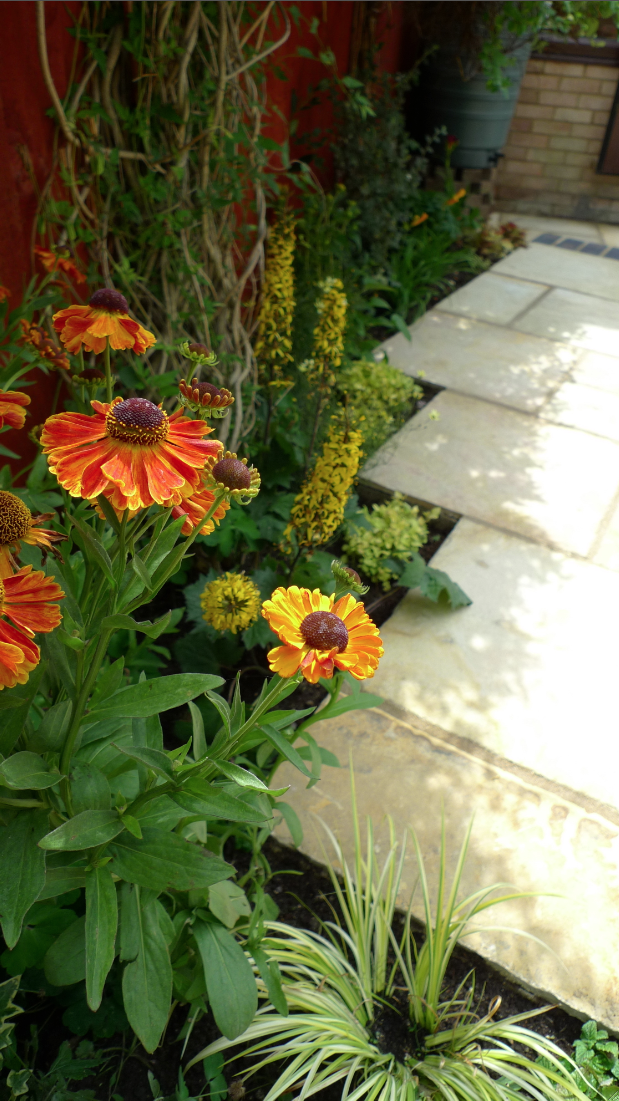
Worked on yellow and ochre as colours to reflect the colours of the slabs plus to give a warm feel to the whole area. Worked with perennials for the best display albeit for the summer only, a case of a good display for the height of the outdoor season or compromise with spots of colour through out the year… no brainer as far as i am concerned in this situation. Contrasting shapes with and narrow colour range to keep the effect.
Two days of green engineering and i thought i would be ready to go back to my Neanderthal ways, being a cynic, unless its proven in my mind (in my few years on the planet i have seen a lot trends promoted and used for ill gain, so its always good to question and not just accept because ‘billy big bollocks ‘ says so) then its hot air blather which is no use for beast or man.
But i can so see the logic in proceeding down this route, not the sandals and sack cloth,but the high and low tech solutions to everyday needs, in particular, waste. As in not wasting resources moving products around the planet, saving and reusing local resources first before going further a field. Lastly, efficient buildings whose creation is mainly due to the landscape, not the other way round.
The idea that LA’s are ‘engineers’ from our lesson on SUDS was an inspiration. I knew a bit about swales and suds (or at least i thought i did) but never joined the dots. A really fantastic lesson. The fact that this was backed up with evidence and the interest from Governments from around the world proved even more that what we are now entering is an age of proactive green policy rather than chest beating ‘i don’t own a car and am a vegan’ macho talk.
So ‘if’ i and the rest of us make it, then we have a duty to not to be shrinking violets, otherwise the holistic big picture of building as part of the landscape will be lost amongst the desire for engineered infrastructure that engineers love so much. Forgetting the impact on the world, rather than the often the simple solutions of using what the landscape has used for millions of years. Very inspired even if we did not make it to China!
Taking green technology to the limit, The new hospital (completion 2014) in Bermuda





 It's about people, stupid...