This post came about when I realised that sometimes it’s better to communicate a concept using fiction and games rather than the often dull route of academia that few ever read. The game was obvious, but the book came from a green flash of inspiration; on further research, I found I was on the right track. This further led to why and what the authors’ ideas were promoting. Below are some explanations and further thoughts on why these ideas from 1900 are more relevant than ever.
1900; the same issues as the 2020s
Suppose an idea or concept is large enough to become a norm, accepted by society by familiarity, and eventually a cornerstone of societal norms.
In the late 19th and early 20th centuries, two people noticed two norms that did not seem to add up: one was a playwright and journalist, and the other was an inventor, poet, engineer, and journalist.
Both saw an issue with money in its creation and use. One used a children’s book as an analogy to the money system, the other a children’s game in which the goal was to bankrupt all your opponents.
Both became classics and remain so to this day. The analogy behind both has been lost, but the truth of their criticism remains in plain sight.
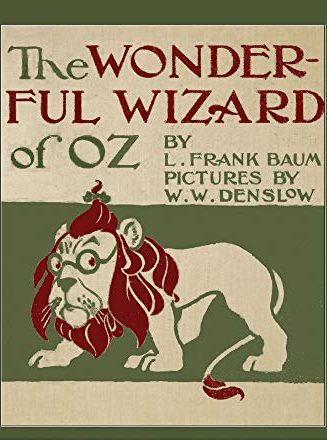
If you have yet to guess, the children’s book is The Wizard of Oz, written by Lyman Frank Baum (1856 -1919), first issued in 1900 in the US.
Original book cover
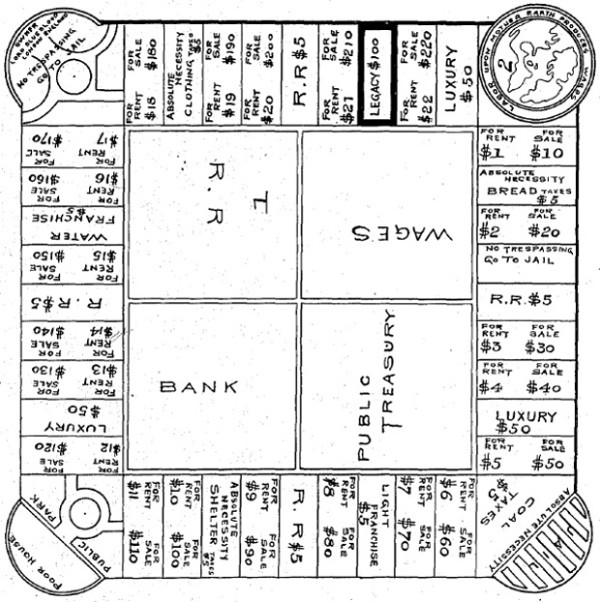
The game is a board game called TheLandlords Game, invented by Elizabeth J. Magie (1866 -1948) in 1903, later to be renamed (ironically) Monopoly by James Darrow, who sold the rights to Parker Brothers, who gained the monopoly of the game in 1935 (also paying E. Magie a paltry $500 for the copyright of The Landlords Game)
Over the past 40 years, there has been a slow creep of what is known as pseudo-public space. This space is not controlled or maintained by public elected bodies, even though when you walk, drive or cycle through the space, it may at first seem public; after all, you have entered without going through a gate, and there was no signage and anyway, everyone else seems oblivious to its status, so it must be like other public space, like the street outside your front door or the local high street. Turns out it’s not.
Well, no, and that’s the start of the con.
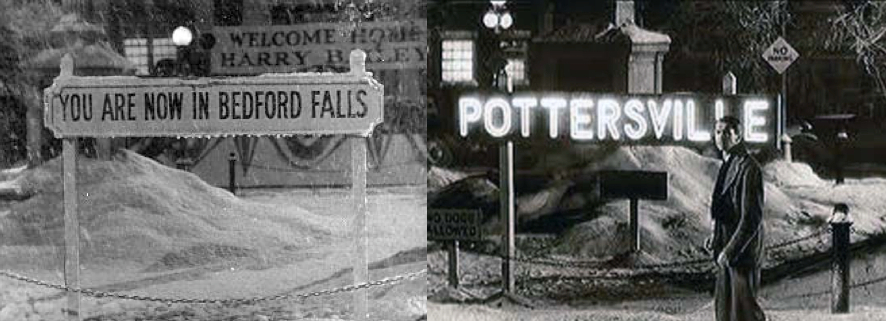
We are no longer living in post-war ownership freehold based Bedford Falls but leasehold to the rentier dystopian Pottersville.
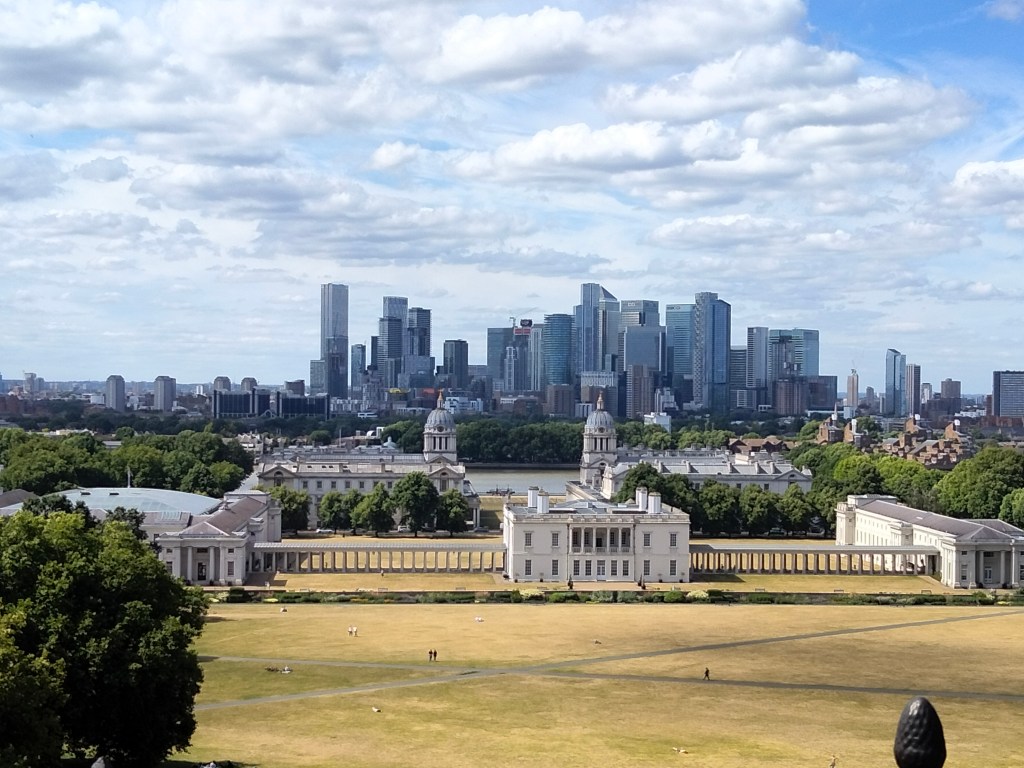
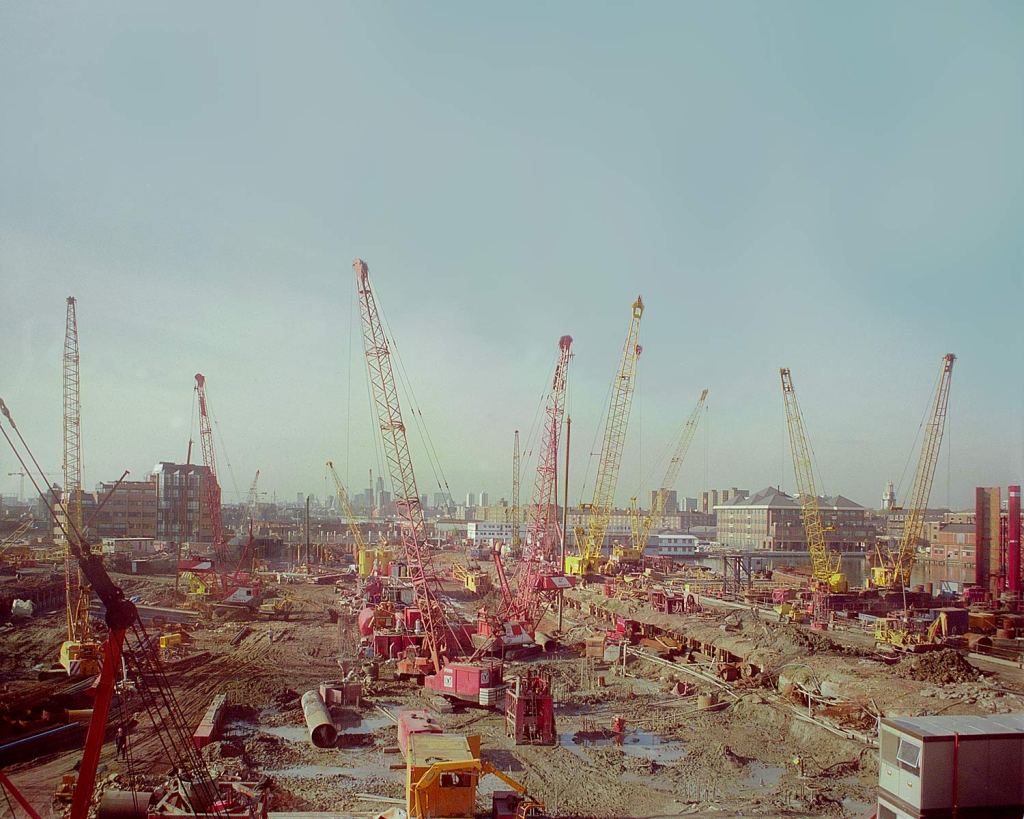
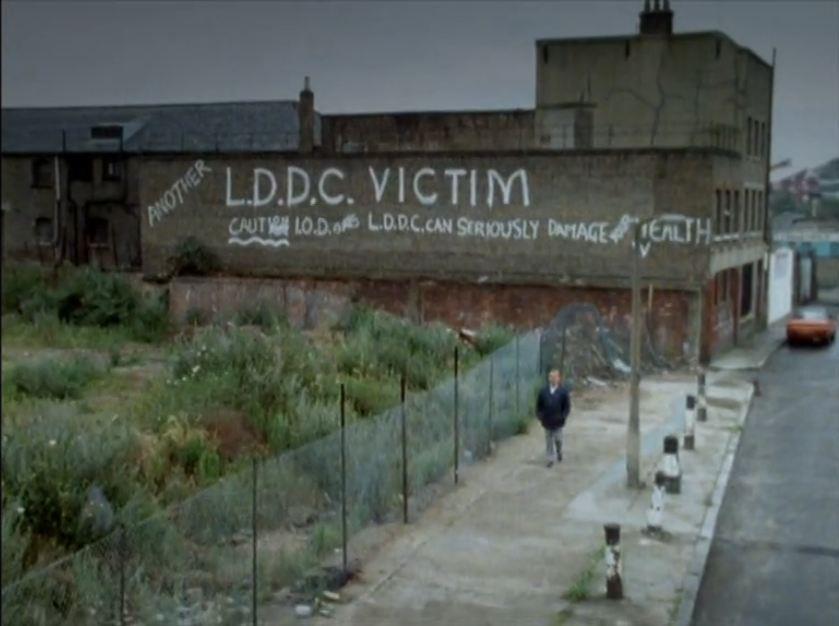
The first example is Canary Wharf, which started this trend. The government of the day had a problem. they wanted to redevelop a declining and abandoned part of a city without spending too much public money. So, a deal was struck between private companies and the central government.
‘Note; local elected governments were left out of the deal to avoid local public protest movements having any leverage by holding up the project with enquiries that could ask awkward questions’.
The deal was based on the US idea of the Urban Development Corporation (UDC), which became the London Docklands Development Corporation (LDDC), so the project had no local government or the then Greater London Council (GLC) involvement; they were completely sidestepped. The basis of the idea was that the land would be sold and held in perpetuity as private land, but with public access, all well and good, but the devil, as always, is in the detail; this access was granted as long as the new owners had the right to create their own rules concerning who, when and where access was granted. Again, on the face of it, this seems fair.
Still, it turned out to be pernicious, as decisions were made by the private owners as to the ‘type of person’ who would be welcome, and here is the second and even more powerful rule of self-interest, as the new owners (freehold owners) needed to justify the high rents, which are a combination of ;
1)Ground rent: The property owner (the flat/business premises) does not own the land it was built upon; thus, they are a leaseholder, not a freeholder, and must pay ground rent to the freeholder owner.
2)The service charge covers building maintenance, the concierge, and all other external services, such as the upkeep of the parks and gardens, rubbish clearance, CCTV, and security guards.
Why security guards? This service is needed to justify the high rents/service charges by providing a ‘safe environment’, a conjuncture for getting the right people with money to spend and keeping out those who can not. They are often dressed like the police to make their presence known, which is fine if you fit the correct demographic; if not, you will be hassled by seemingly innocent questions and reminded that you are in a private space, further blurring the lines between private pseudo-public space and actual democratic public space.
But we don’t. A reference to previous work from a MA in Landscape Architecture 2012, relevant to a morning lecture on Psychogeography (describes the effect of a geographical location on the emotions and behaviour of individuals).
The Background
The Forest
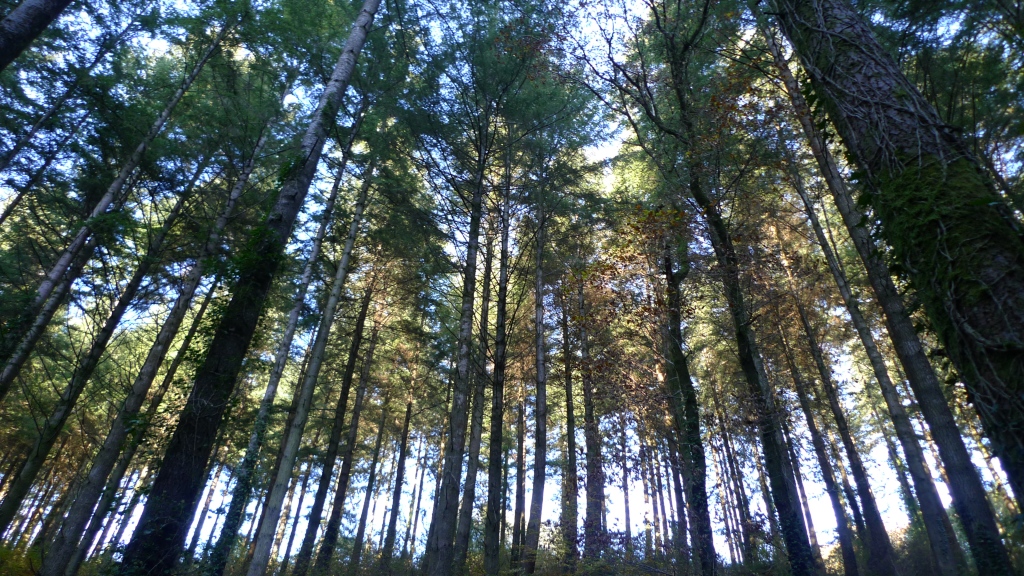
This was an option module from the MA called ‘Art and Context’. The the outcome for the module was to teach, challenge and explore our preconceived ideas as to ‘What is Landscape?’ Via a field trip in the deep South West of England of 5 days in a mixed forest (deciduous native and evergreen softwood grown and sold as a product of the forest) owned by the renamed Forestry England (formerly the Forestry Commision). The site was partially funded by on site log cabins for holiday retreats within the forest, perfect for a group of aspiring Landscape Architects wanting to get out of the classroom and experience the human Biophilic response to nature.
The idea was to make an intervention in the forest. It could be anything from a physical structure to music, poetry, art or a later piece to be shown as part of the final symposium. We were all asked to present, with the question; ‘what is landscape?’ Again open to whatever style or form, but the proviso was to really look in depth to the experience, the intervention and what you learnt that could be shared, but also challenging some of the norms we associate with the Landscape as humans onlookers and/or being part of the said landscape.
“I love this stuff, once the ideas start to flow, but hate it when that blank sheet of paper just laughs and mocks you for your lack of imagination”.
The artists running the course were from the more abstract land interventionist style, and I mean ‘Abstract’ with the capital ‘A’. We were all challenged very quickly as to our assumptions and thus the struggles ensued to even start to form any ideas.
But they were also very encouraging once some ideas of value started to germinate.
Two examples of people movement on the Isle of Dogs; Sideways and Vertical.
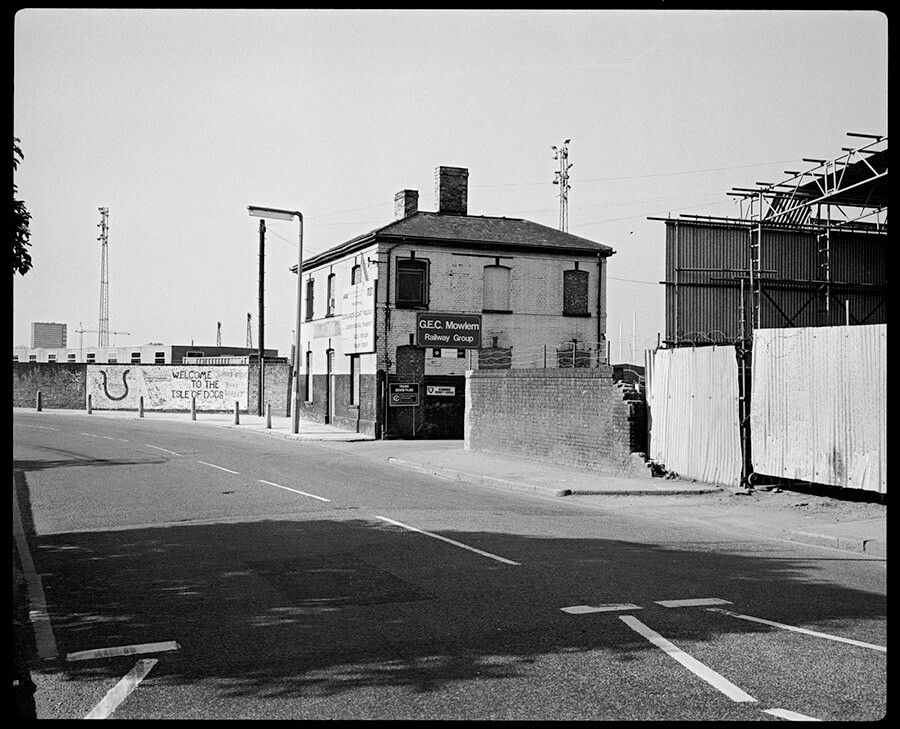
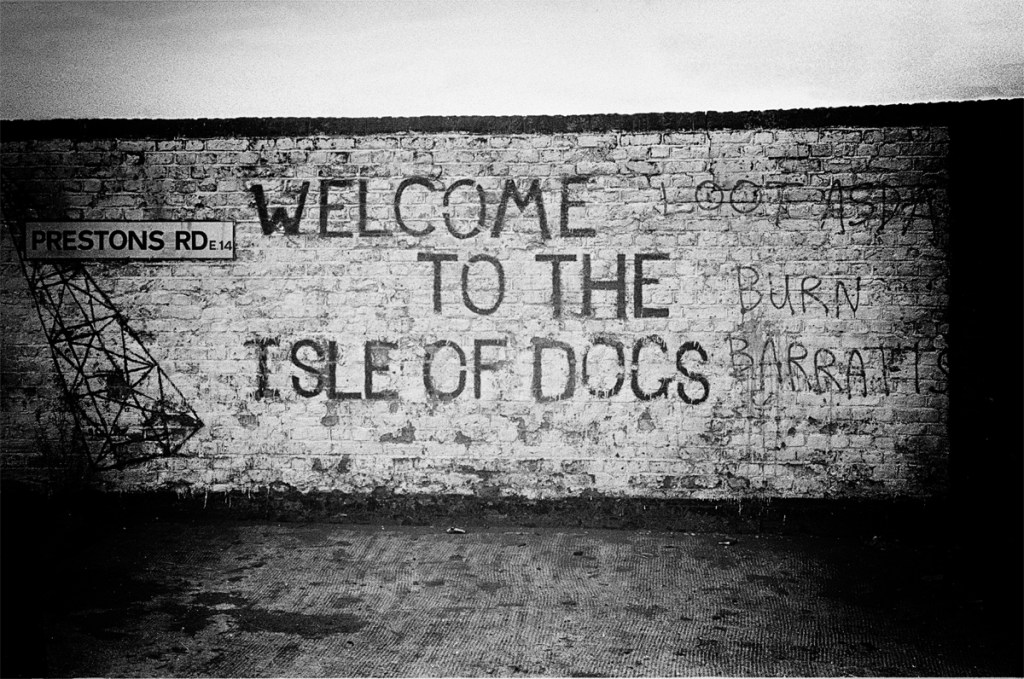
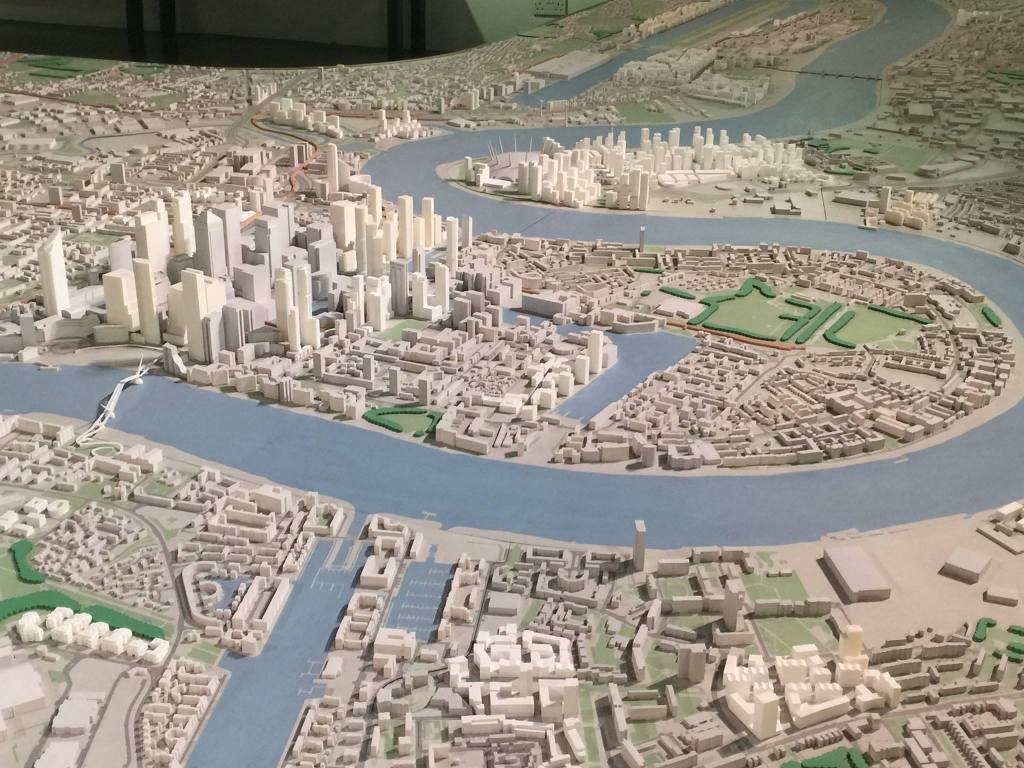
When putting together a presentation concerning a brief history of the Isle of Dogs in the Eastend of London, I stumbled on a 2nd less well known influx during the 1960’s, also promoted by a centralised organisation, but far more inclusive than the later corporate organisation foisted upon the community in 1981, namely The London Docklands Development Corporation (LDDC).
The former was the London County Council (LCC) (later to become the GLC) which derived from the post war housing consensus and in particular the 1947 housing act.
So as with all things, looking a little more deeply into the policy of a pre LDDC government select committee, comments within the paper questioning the new law to be presented to parliament. As with many acts of parliament is has to go through various cross parliamentary committees to scrutinise a controversial bill. This bill was no exception born out a new ideology of Free Market Neoliberal Capitalism as promoted by the Thatcher Government of 1979, from the theories of Friedrich Hayek and Milton Friedman (and the rest of what was known as the ‘Austrian School’).
“This was the first real opportunity to enact the low regulation ring fenced policy centrally governed via unelected quangos on a large scale”.
To say this was a 180 degree shift from the previous economic and social ideology would be no exaggeration. This is born out in the two shifts in the islands population, the first in the 1960’s which I will call a horizontal shift of people, so not strictly Gentrification in the Ruth Glass terminology of the 1960’s and the present day, and a 2nd more seemingly effective solution in the context of monetary value to the area, but not necessarily for the original local population.
So the seemingly innocent intersection of roads and footpaths has become so imbedded in our subconscious that we hardly recognize its importance, and yet the phrase ‘meet you at the corner’ is part of our everyday life. So why?
It’s a node
More options of escape, fight or flight
A prairie view
That’s the text-book view, but it’s so much more than that.
So to understand the culture of the street corner in a housing district that is designed around the grid street system ( think squares ), a social document should be viewed, understood and lessons learnt from said study.
An easily understood document is a TV series from the early 2000’s called the ‘The Wire’, considered by the local community, police, politicians, educators and press to be an accurate portrayal of the Baltimore area 1995-Present.
Written by a former crime reporter of the Baltimore Sun, David Simon and Ed Burns, a Senior Detective. They collaborated on a book ” The Corner: A Year In The Life Of An Inner City Neighborhood” This was written from a street perspective and eventually was used as a base for The Wire.
So you have the corner shop and corners occupied by the drug dealers. The series goes through the turf wars between the dealers, the police trying to rid the corners of the gangs ( think; futile), the politicians trying bury/solve the problems to thier advantage within 5 year terms, the education system trying to give the children a way out, all in the confines of a post industriual town with middle class flight. The series is about all the consequences of little or no investment into new industry, of fire fighting rather than getting to the root cause, and ultimatly letting it fend for its self.
“The recent History of Baltimore is the same all over the post industrial world where the old heavy, labour intensive industries move out or are mechanized, leaving a local population with a lost identity of work and place.”
Think of the Royal Docks in the east end of London, once the container shipping moved in at Tilbury, the boom of the London docks died over night, leaving disenfranchisement, no identity of place that had a sense of pride, no industry leading to high unemployment and eventually no hope.
A void remained to be filled, and with the local politicians with a small government agenda this will not stop the natural hard-working resourcefulness of people, it’s just that the easiest way with highest profit is at present drugs for the resourceful and for some, who lose hope, it can become a form of escape from the harsh relativity of day-to-day living. So the ‘Supply and Demand’, pure Smithsonian Market forces that the neoliberals propagate as the capitalist utopia with the invisible hand of self-regulation, will, left to its own devices bring us to a place where every man helps his brother for the good of the market. Experience tells us this is not so, short-term markets post big bang* will not allow this, the god of self-interest*, our irrational inner chimp*, fear* and greed all add up to the distopia that is Balitmore.
“And the corner is where it would be played out in this Drama”
So the how does the humble brown paper bag relate to all this?
Below is an interpretation of a scene from the episode where this all comes to a head, leading to the parable.
Obviously this is not the answer, but the point of the exercise is to look around you, take stock and think. The rational rather than the reactive*is needed to understand the cause and effect of a small change mixed with compromise can offer a solution, and get the thinking to a more Lateral position, asking different questions and exploring the consequences of long and short-term interventions.
“So the street corner where people, stop, meet and feel comfortable, it’s a place of high value.”
If a place has high unemployment, no hope then it can become a place of conflict, but it’s still a place, good or bad.
Ultimately people need money and at present that comes through gainful employment, so no matter how many beautiful parks, housing developments we build, if people don’t feel valued in themselves, then that will show on the outside. No work, then other high profit means will appear. Gentrification may push the problem elsewhere under the carpet, but you will eventually trip over it and fall flat on your face, i.e. Baltimore, Trump, Brexit etc.
This is what a Rowndtree commission conclusion was on Regeneration, but more of that for a later post.*
A future landscape? A fantastic video of a future reality set within the confines of a virtual world within a dystopian landscape. A good lesson in cause and effect
A thought that keeps coming to mind is that the study of a dystopian landscape is possibly more important than a proposed utopian dream scape, as virtually all the designs where originally designed with utopian ideals, (political, social, economic etc), but now often regarded as dystopian, often mis-judged (by present day judgement) and ugly. Some mistakes where made through focussing on one area i.e. large scale plan, and forgetting human scale/perspective, modernism to a tee. So who is to say we are not mis-judged? Looking at perceived failures with a narrow ascetic value of fashion for example, thus a lot of perspectives need to be taken into consideration with the avoidance of presumption of present day wisdom over the dreams of the birth of the idea. Also not taking into account changes that created a conflict along the time line from conception to the present moment of judgement to what may seem’s a ruined space. So the question is what has changed? Often we are too quick to write a off a space without fully understanding its long term aim. Thats not saying mistakes have not been made, but not to make the same mistake again due to a poorly thought out process only taking in present day fashions into consideration.
People
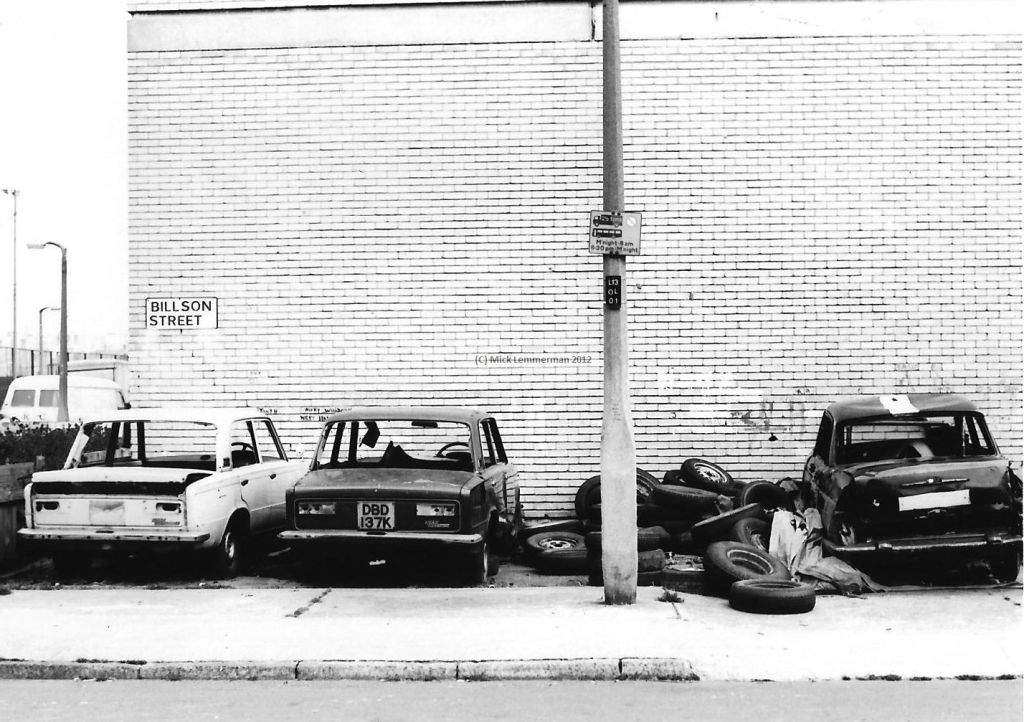
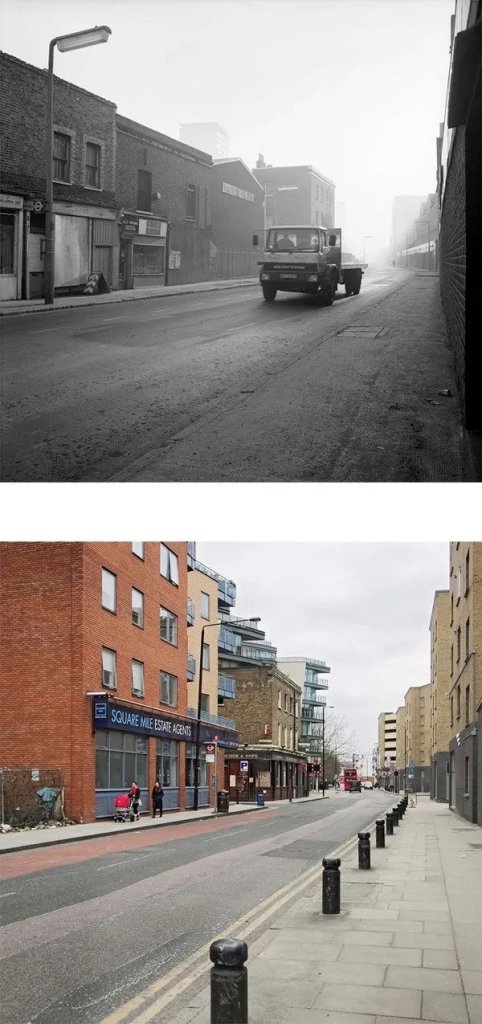
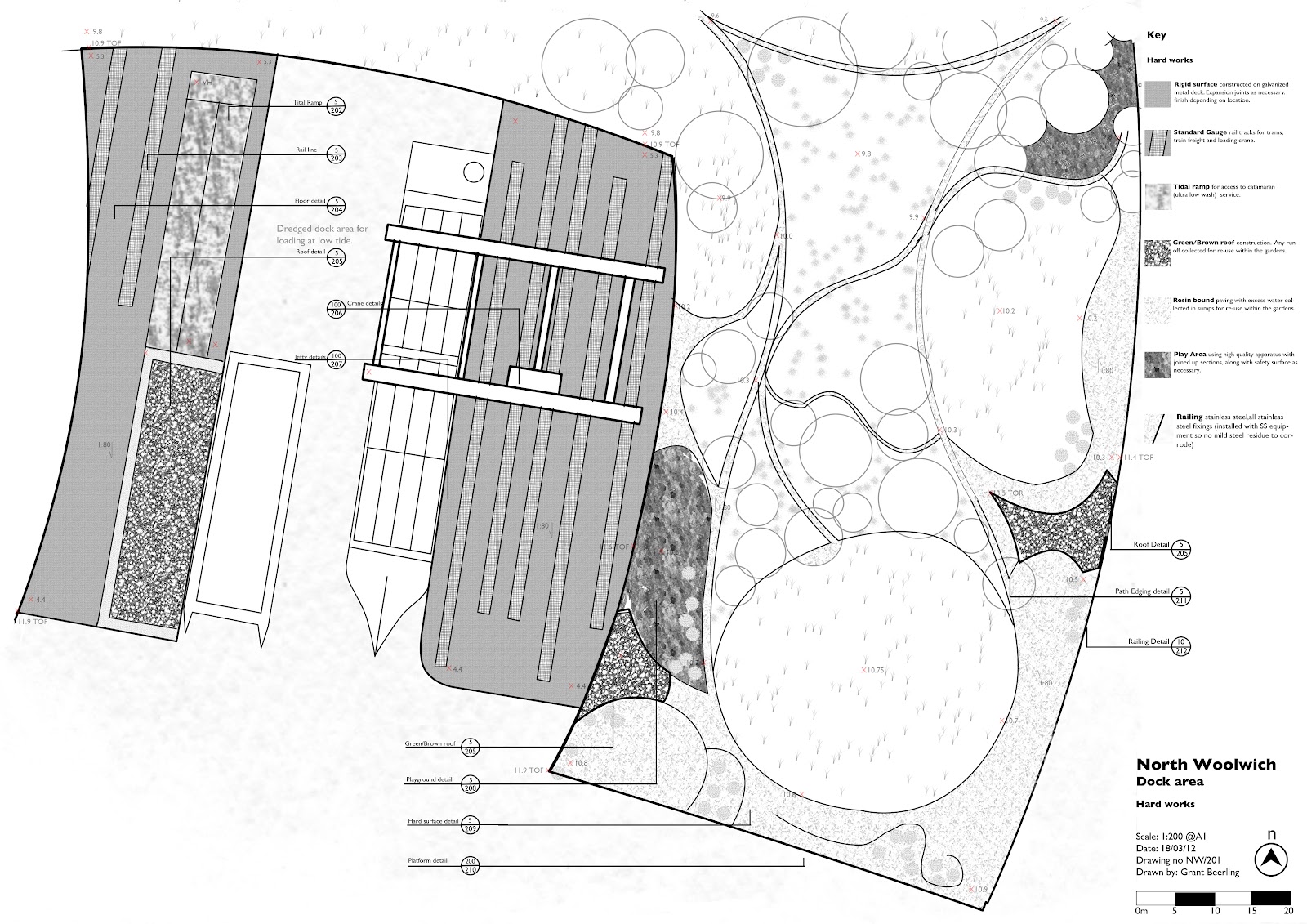
It will always come back to adoption of space by the people who live in the area. Why should anybody want to live here? At its base level what will me and my family gain? What is the core of any community? On questioning some residents on The Isle Dogs, London (now re-developed, but issues of the local working class having no relevant jobs to their skill set or if there is any work then the jobs are often with no prospects of promotion or further training ( or self employed under the tax radar thus trapped). It became clear that gentrification had pushed out the old community of seeing the place as home leaving them with no identity and thus no sense of place leading to non engagement, which eventually leads to the ‘I have nothing to loose attitude’ were the rot of crime and vandalism eats into the core of the community. So all might look rosy, but get below the skin. North Woolwich has the same problems though yet to be developed. The loss of the Docks caused a complete loss of identity to the community. Any sense of ‘pride of place’ is gone. If you have no job, hope of employment or low skilled with no future training, then the most beautiful park is not going to lift the spirits of a down beaten soul. If you want to understand more listen to ‘The Message’ by ‘Grand Masterflash and the Furious 5;
When a couple of life long residents were asked if they could have anything as part of a redevelopment what would it be, as quick as a flash, work, not just any work, but skilled work with training to bring back a pride in the individual and provide prospects and thus investment of the individual back into the area. So Work has to be at the core, as a means not only earn a living from the landscape, but create an identity of place to the resident, wanting to stay and raise a family and invest emotionally to the place. Then a park that is beautiful to the designer/visitor will have so much more meaning and beauty to the residents, whatever the income. Hope and prospects are an empty politicians promise unless there is a long term plan to deliver. So the Joseph Rowntree commission report sums up various European dockside redevelopments which we can learn from;
Without a doubt a must read document for all who want to bring prosperity and ‘the of spirit of place’ to a space, so all who reside have a future of substance and prospect.
Framework
Framework rather than strict rules so adaption can occur as employment styles change, technology, community that adopts the as the space changes, global warming, political change, transport change (battery boosted bicycles), source energy (i.e. Fusion, when this comes on line it will be a World changer, squeezing two forms of Hydrogen atoms (heavy and heavy heavy) together to produce Helium plus a proton and energy (1 gallon of water= 300 gallons of petrol), even though some web sites say there is no waste product this is not entirely true as a radioactive product is produced, but through reprocessing it can be used to re-fuel and have a short half life (30 years instead of 24,000 years this is what happens in present re-processing plants for Fission waste) and less obvious types of employment moving into areo-space, heavy industry (which may comeback to theses shores as other countries become less competitive) Art, etc.
Garden Design and Landscape Architecture
So what has the above got to do with our industry, well we no longer live a bubble as an industry. Design crosses platforms and inspiration can come from anywhere. So as the term ‘Garden Cities’ have come back into vogue (though I suspect those who use don’t understand the history of the movement) this is not just the property of Architects and town planners or even Landscape Architects/Garden Designers, but of designers who have a passion for people and the built landscape that they live in.
Anyway you get my train of thought, we can’t entirely future proof our spaces, but we can leave room for future development that will always occur, ‘as this is our nature’. The beauty of humanity is its messiness as well as its order, both have a place and should be celebrated, so decay as well as pristine should be built in/admired…… At what point does decay turn from an eyesore to nostalgic ruins? Or any style come to think of it. Two Generations? I like modernists buildings from the 1930-50’s ( I was born in 1964) especially underground stations/Tunbridge wells main Civic Centre, I really dislike the Pastiche post modern buildings of the 80-90’s, not one thing or another, both were designed with the best of intentions, so a generational view can have an effect and which generation is in the driving seat. ‘The Sprit of 45’ Worth seeing the whole film to understand why Labour got in with such a land slide and 180 degree opposite plan to the previous generations and why Margret Thatcher turned it back again. What next? We are still suffering from the big bang and all the consequences of short termism, the breaking up of unions (divide and rule), selling off of Natural Monopolies under the guise of competition. Capitalism has a hold, know one actually believes there is an alternative, but all the time the Press Barons hold the keys to our politicians it will be hard to unite, lets hope we don’t need war to unite us or extreme poverty, what ever happens it will be bottom up as it was in 1945. http://www.youtube.com/watch?v=_c86Gwsb5LY
So the brochure we all have to put some text and images in a limited space.
Therefore trying to create an eye catching effect, plus some kind of narrative.
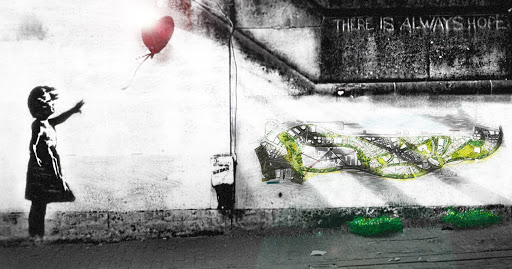
Header image
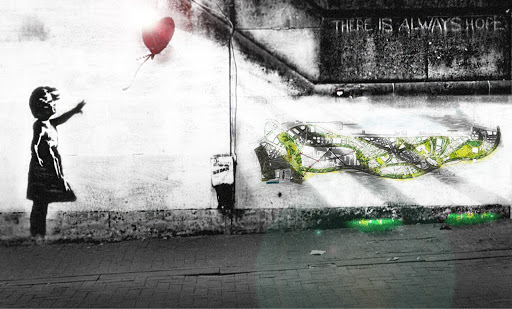
The err…shot as Robert would say. Had this image for a while, love Banksy.
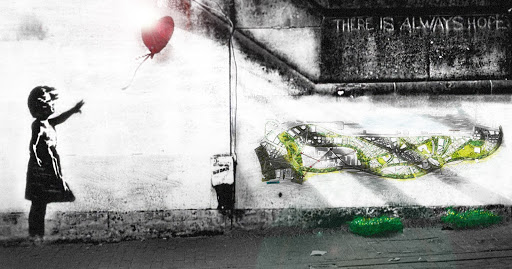
Had to a bit of work to do as the girl and balloon were facing the wrong way. Lighten wall shadow, darken footpath shadow. Drawing blended on the wall with a couple of layers to get the colour effect. Grass (a bit naff, time etc). Light, light and light to get that grundge and dreamy contrast.
Overall pleased, more work on the grass and the image was cropped for the brochure as more of a letterbox view which works better.
Original
Update, letterbox view, grass
Secondary images
Three images each with a different message and mood.
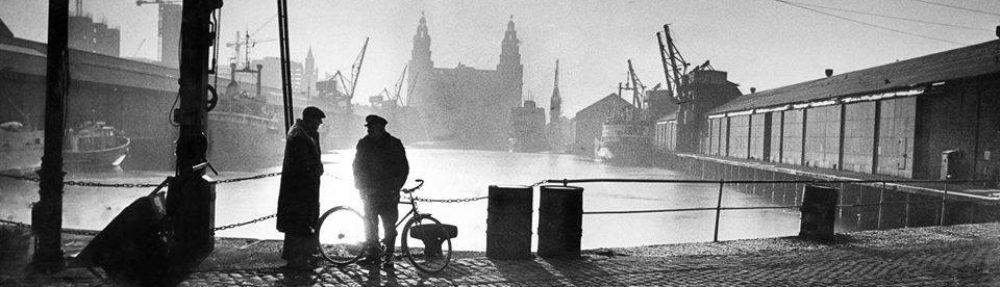
Dock side
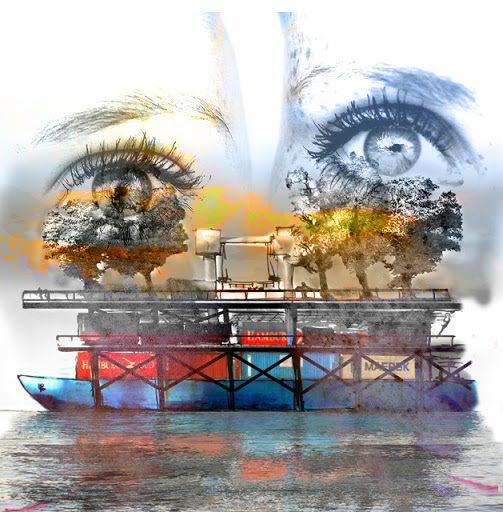
A mix of three images, two beautiful women (with freckles, is it warm in here), its the eyes….
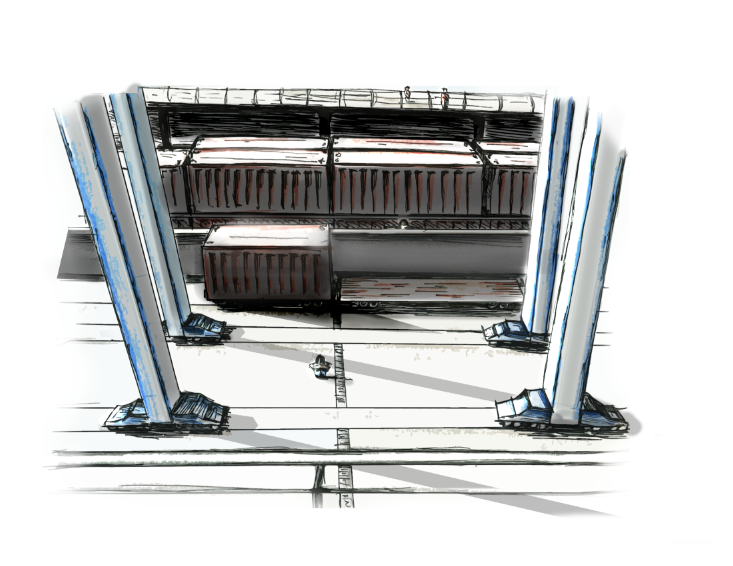
A bold sunset and a hand drawn image, rendered/PShopped by yours truly.
The idea was to join people and not necassarlly men to the dock side as its also a public place. Viewing the river and looking at the working dockside from the upper deck
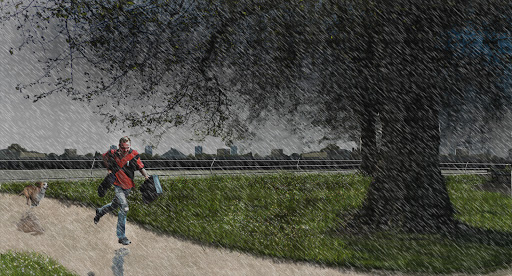
A normal British day.
I wanted to show that the river side walk is a part of the greenway system of NW, thus used in an ordinary way, caught in a shower, the rest of the narrative is for the viewer to decide, being chased or owner? Long flowering meadow grass, resin bonded on bitmac, so easy for curves etc. Practical more than decorative. Let the planting do the work.
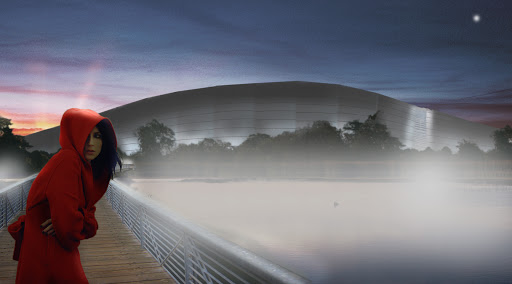
A chilly visit to the Aquarium Footbridge designed with desire lines in mind, so its function over form (a modernist at heart). So whats the story? You decide.
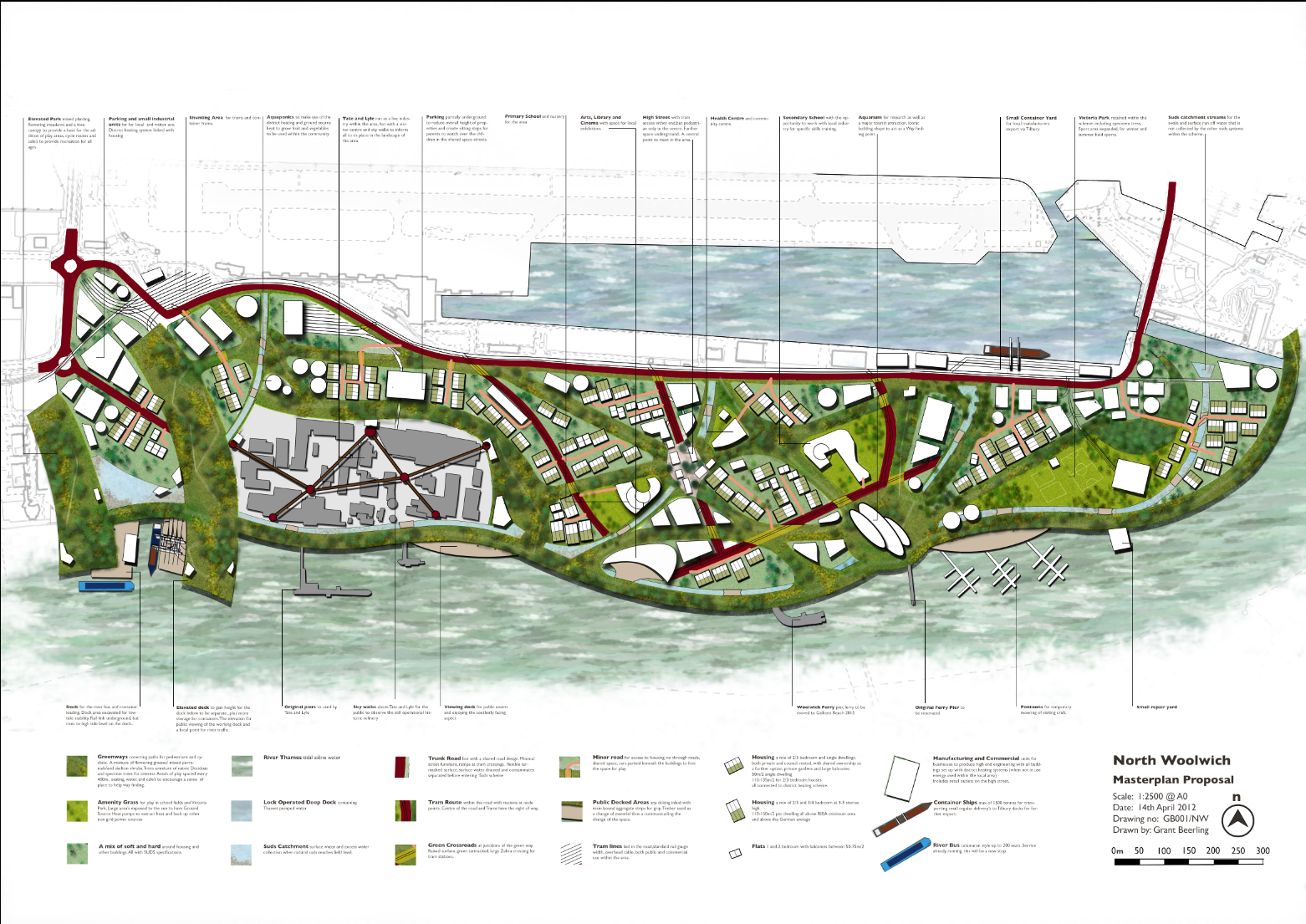
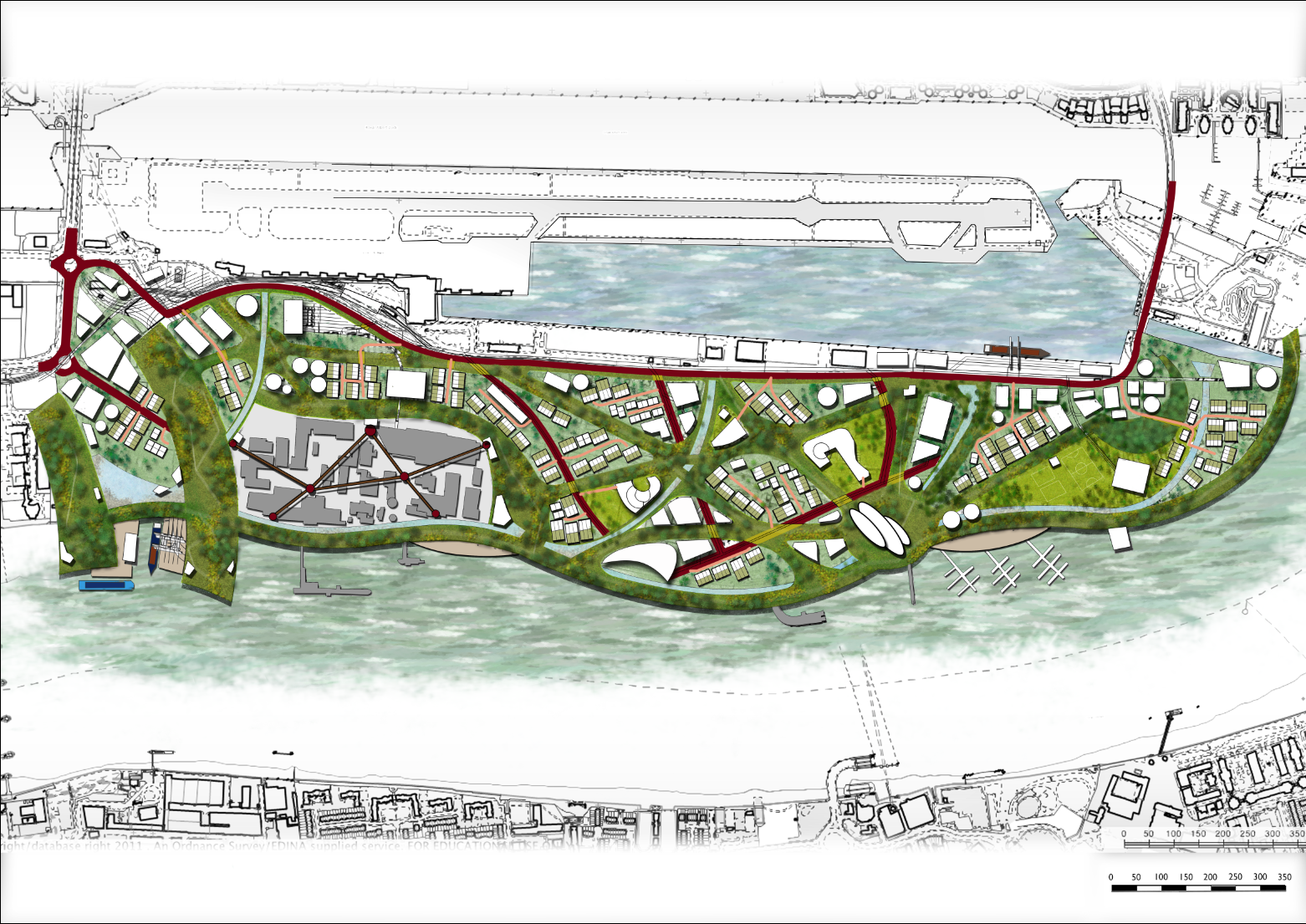
Well after some debate (and some chat with Paul) decided not to try and cram my MP on A1. Due to the fact that the next scale down from 1;2500 is 1;5000 it just was lost on A1. So A0 it is.
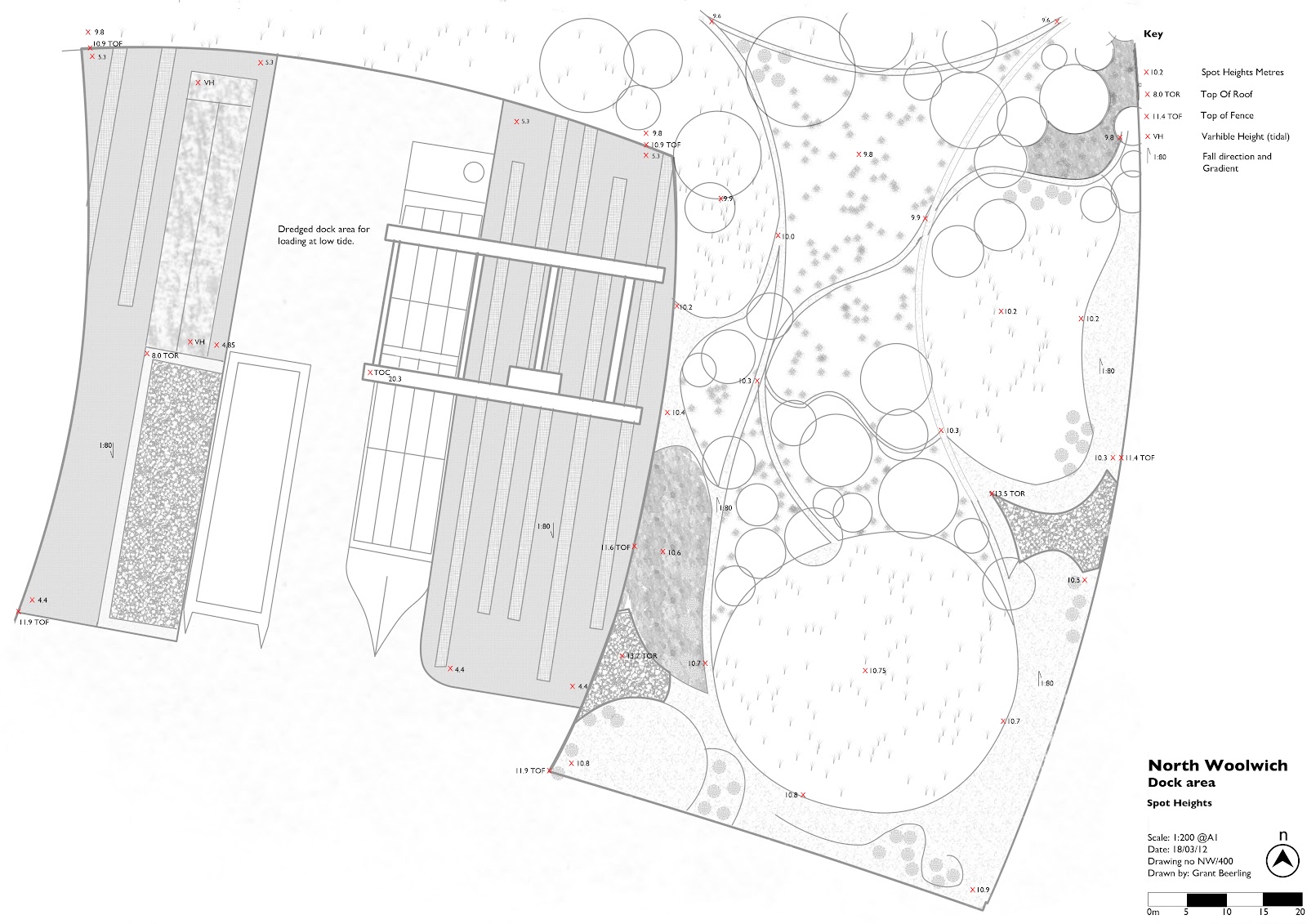
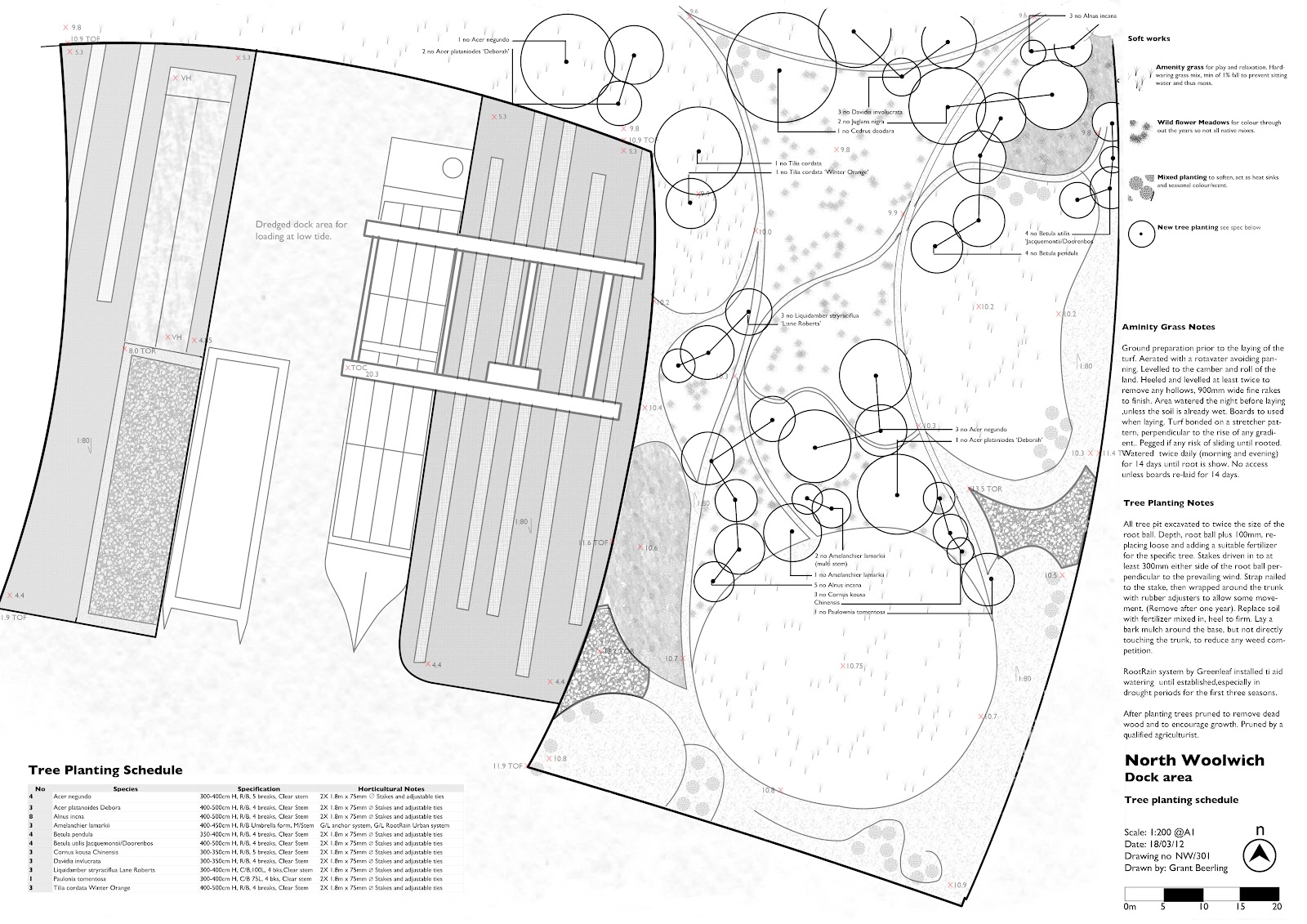
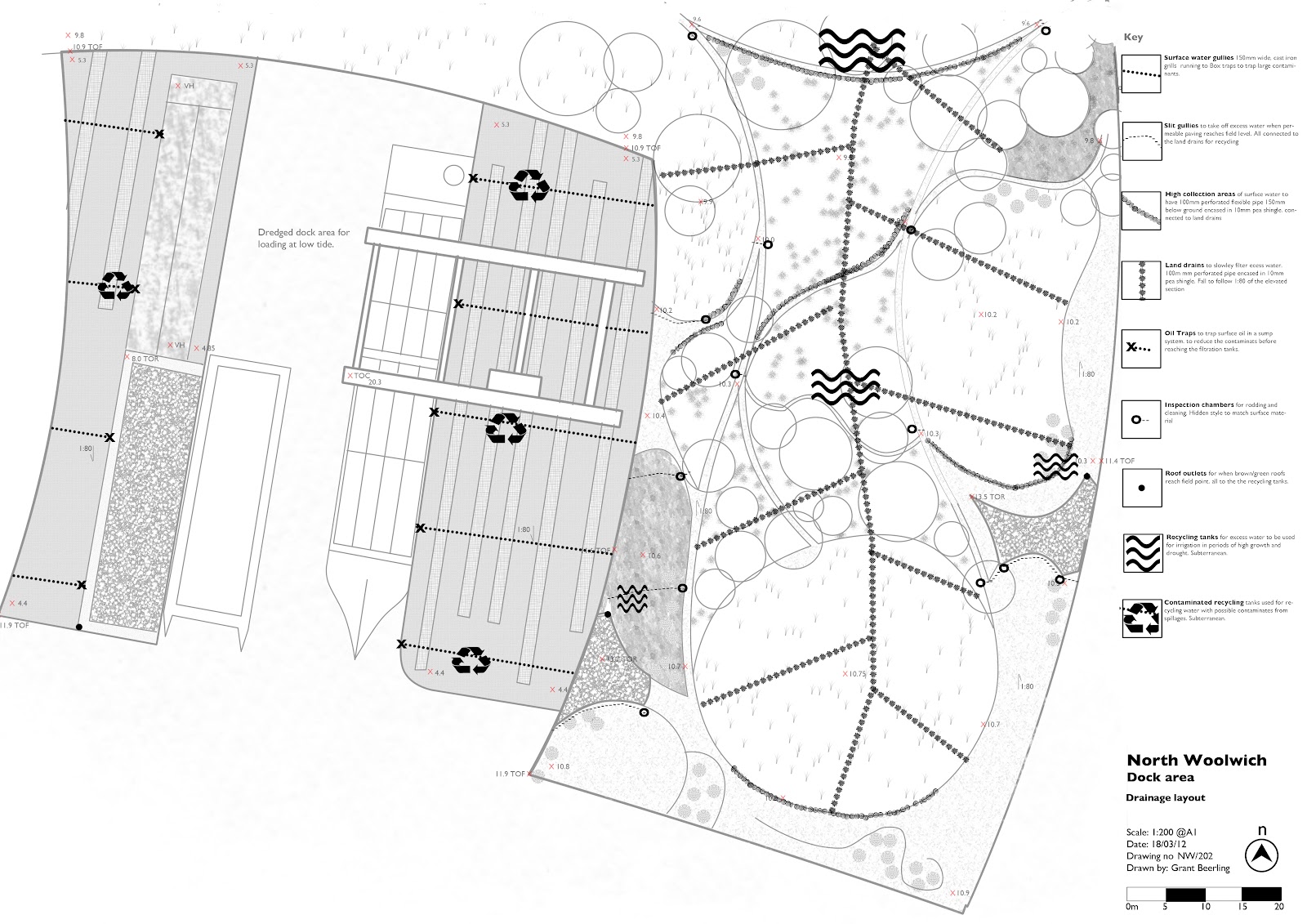
Lots of explaining to do to justify the drawing, which can only be done with sequential’s and flow digrams. No point writing an essay when the 1000 word rule works with a picture (plus spelling and grammar mistakes are not so obvious).
Like all struggling with the beast, that is master planning. I keep thinking about the quote from James Corner that master planning can sometimes lead to an alienation of the site, as in reality the site will be used and seen from a human eye line perspective. So I have constantly tried to visualise each area, creating visual references along routes, nodes, Fused Grid theory etc. So it may look a bit jumbled (ie not that pretty) from a plan view (and to be honest only Gulls and Crows will have that pleasure), but hopefully the journeys through the greenways to destinations, whether as a visitor or resident, will act as an encouragement to leave the Car at home ( along with the fused Grid idea of the Car route is less convenient than walking).
Visuals
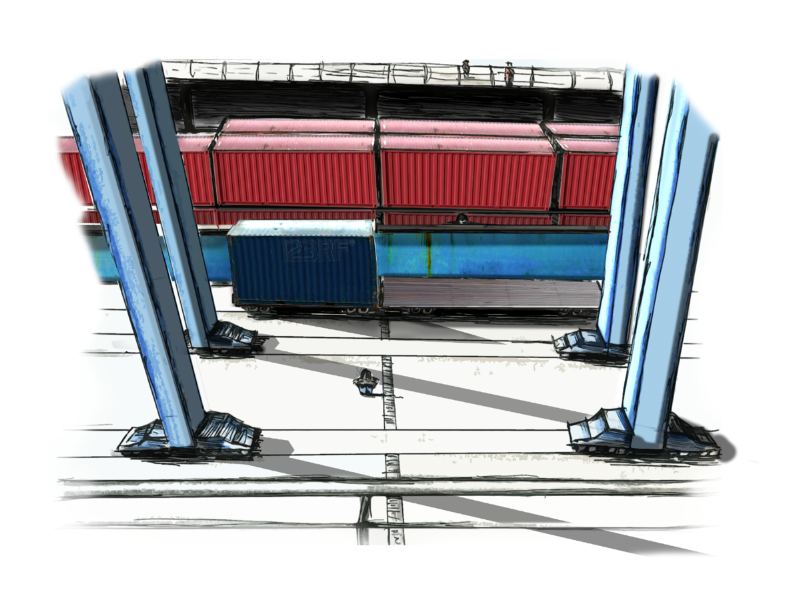
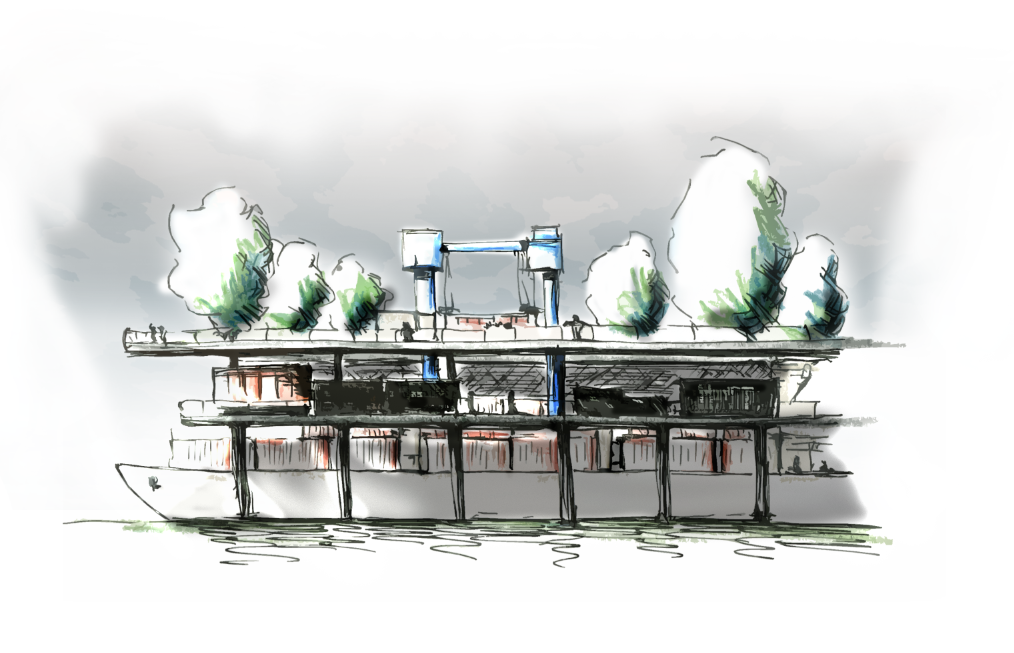
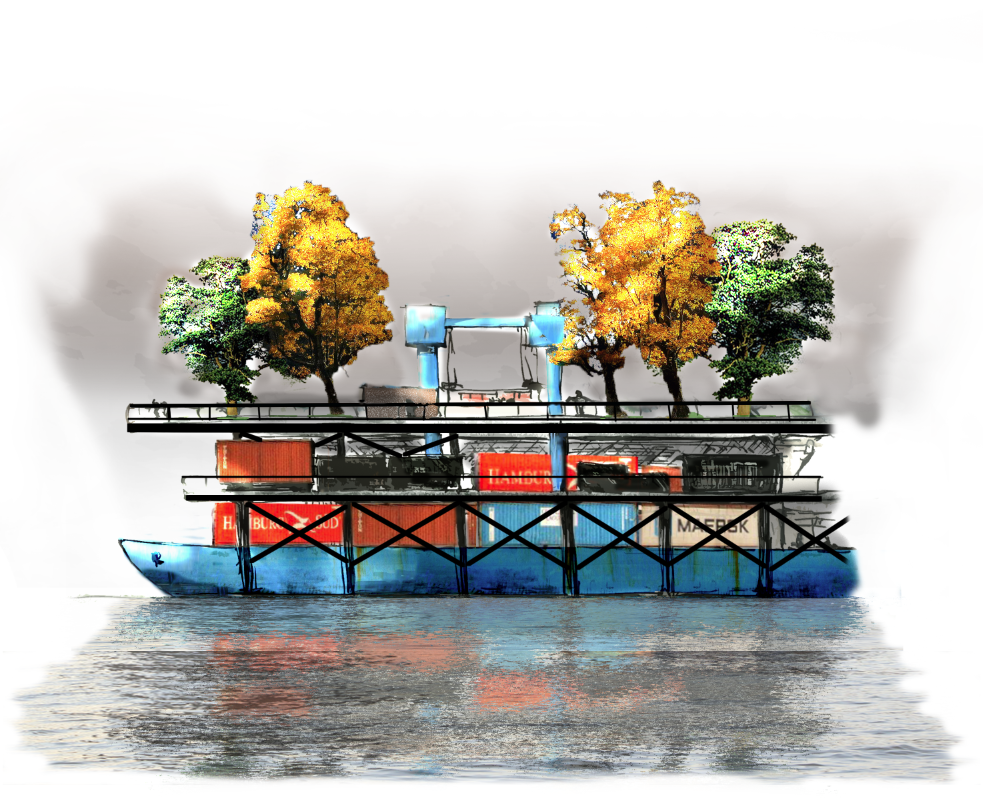
Once annotated, I get on with the many (eye level) visuals that will be needed to explain the flow, beauty and hope that I would like to bring to North Woolwich.
Not entirely finished, annotation and composition etc.


 It's about people, stupid...