But we don’t. A reference to previous work from a MA in Landscape Architecture 2012, relevant to a morning lecture on Psychogeography (describes the effect of a geographical location on the emotions and behaviour of individuals).
The Background
The Forest
This was an option module from the MA called ‘Art and Context’. The the outcome for the module was to teach, challenge and explore our preconceived ideas as to ‘What is Landscape?’ Via a field trip in the deep South West of England of 5 days in a mixed forest (deciduous native and evergreen softwood grown and sold as a product of the forest) owned by the renamed Forestry England (formerly the Forestry Commision). The site was partially funded by on site log cabins for holiday retreats within the forest, perfect for a group of aspiring Landscape Architects wanting to get out of the classroom and experience the human Biophilic response to nature.
The idea was to make an intervention in the forest. It could be anything from a physical structure to music, poetry, art or a later piece to be shown as part of the final symposium. We were all asked to present, with the question; ‘what is landscape?’ Again open to whatever style or form, but the proviso was to really look in depth to the experience, the intervention and what you learnt that could be shared, but also challenging some of the norms we associate with the Landscape as humans onlookers and/or being part of the said landscape.
“I love this stuff, once the ideas start to flow, but hate it when that blank sheet of paper just laughs and mocks you for your lack of imagination”.
The artists running the course were from the more abstract land interventionist style, and I mean ‘Abstract’ with the capital ‘A’. We were all challenged very quickly as to our assumptions and thus the struggles ensued to even start to form any ideas.
But they were also very encouraging once some ideas of value started to germinate.
The Housing Act of 1988 deregulated new lettings to encourage the PRS to return, 44 years later the potential for 1910 rent strikes of pre The Rent Control Act of 1914 look like they may return.
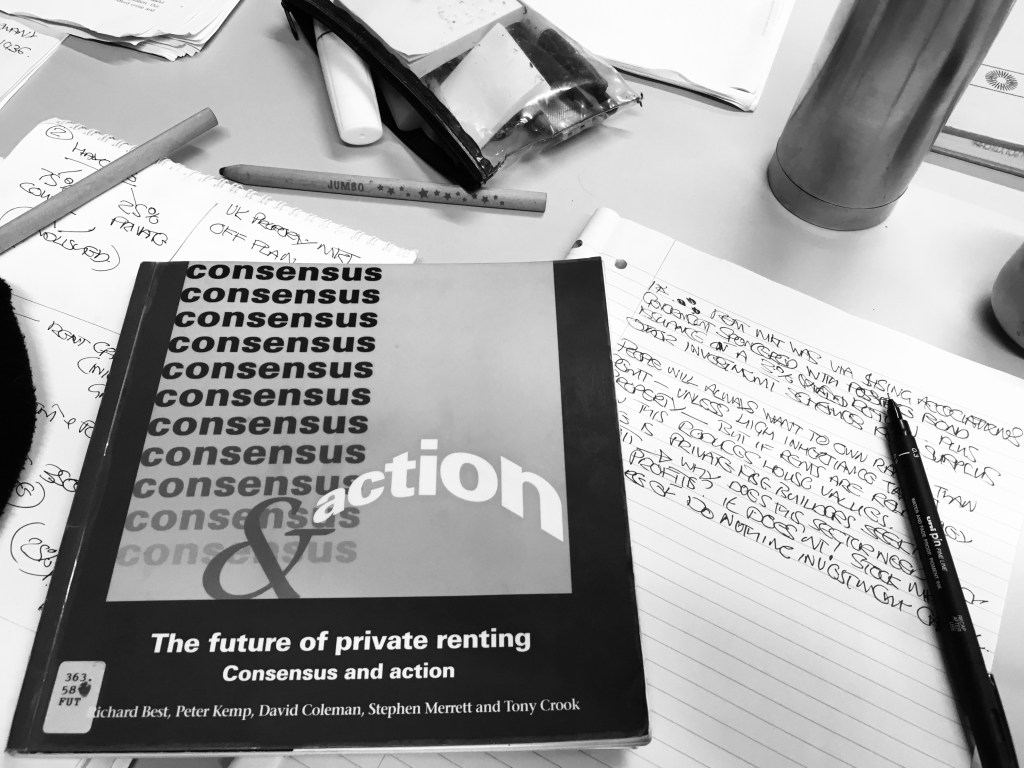
Sitting in the library, grinding my way through various papers and journals on Rent Control (RC), I started to read a report from the much admired Joseph Rowntree Foundation (JRF) published in 1992 with various academic, housing pressure groups, practitioners and financiers together with advisors to politicians from different parties all contributing to the discussion. So far so good, but…..
The book in question amongst my usual chaos
Two issues of cognitive bias became increasingly apparent, both of which we all suffer from as emotional beings, so I’m not specifically criticising the authors of the report, but taking the more cautious route of an anthropologists like, the sadly departed David Graeber and also the political economist Thomas Piketty. Graeber in his book (and the secret is in the title) Debt; The First 5000 years and Piketty to a lesser extent focussed on the past 200 years in his highly acclaimed and fascinating book Capital of the 21st Century.
“Recency bias is a cognitive bias that favors recent events over historic ones“
The first bias was the effect of just looking to the lived and experienced recent past (recency bias) and making a judgment that a correlation of rent controls of the recent past have meant that the PRS has reduced due to not enough yield being available from old RC properties, that is a fair judgment, but does that mean that to get more rented properties available for the small sector (at the time of the report) of transient renters, namely young people on their way to purchase and temporary work force ( in fact a red herring) moving around the country, you just simply reverse the model?
So with that logic, if rent control causes PRS shortages then abandon rent control and supplement the PRS and a ‘fair’ rental market will return with the benefit of landlords now also getting a ‘fair return’.
“What could possibly go wrong’?
The issue with this decision is that now in 2022 we are seeing the true consequences of this reversal, rather than market rates settling to a ‘fair rent’ level they are driving people into cohabitation and single room conversions with shared bathrooms as incomes have stagnated (not so much trickle down, but rather, trickle up), but rents increase as scarcity within the ‘free market’ predicts.
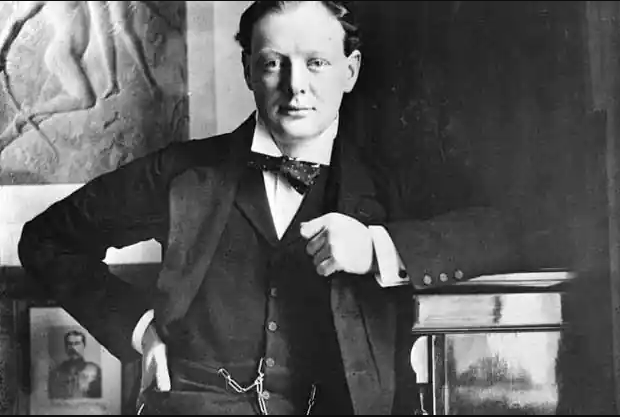
Whereas if they had taken the time and effort to look back to pre 1914 Rent Act they would’ve seen the issues of free market rents gradually consuming and therefore monopolising a sector that even Winston Churchill in 1909 fumed and rallied against to the greed and slothfulness of the rentier class.
3 examples of products that arose out of a deregulated lending sector that was allowed to self regulate, with the post 1979 political ideological support of a ‘free market neoliberal doctrine’ allowing a light touch regulation regime within the sector.
Spoiler alert, it didn’t turn out well
Three examples that I personally and many millions of citizens had to navigate (1988-2009), through mazes of poor legislation, based on neoliberal ideologies of individualism and therefore individual responsibility.
“Which is a handy smokescreen for those businesses who want to shift risk from one party (the lender) to another (the borrower) whilst isolating the borrower as an independent individual versus the banking system”.
“There is only one winner in this loaded game”.
I’m glad to say this eventually unravelled, but with huge losses to the borrowers and to the once trusted reputations of various banks and building societies, here are just three of many heavily marketed products from the 1988-2008 that were sold to the unsuspecting public. The Mutual Building Society mortgage model of pre Big Bang (1988) no longer existed and the public had yet to catch up with this fact, so the driven lenders (who needed to show ever increasing profits for their shareholders) had to find other and additional ways of extracting money from future borrowers, knowing that only a few people actually understood the true value of the products namely, the inventors
In the following three pages are just 3 of the most prominent and now all banned examples of these products
An outline of a strategy to address the commodified housing market. The idea originated from a thought experiment in 2018.
One of the first paradoxical issues surrounding Rent Control (RC) is the difficulty of implementing it, particularly because it would negatively impact the wealthy establishment the most. This often leads to a refusal to even consider the proposal.
This post is a response to a question I didn’t have time to address at the end of a presentation. I discussed the fundamental aspects of the current housing model and explained why unregulated private purchases and rents have become entirely market-driven due to the finalization of the mortgage debt market and the commodification of the living spaces we call home.
The question is an obvious first hurdle to even thinking about an introduction of private RC,
Slightly paraphrased question from my classmate Mark;
“How are you going to get an acceptance from small private landlords let alone institutions”?
My response stems from ideas I’ve been developing for a few years, inspired by a theoretical Beveridge 2.0 report. This includes addressing the “five giants” of a 21st-century neoliberal society in the UK. It’s very broad, but the main point is how you convince people that the stick of RC will benefit the nervous middle (50-90 percentile) and suspicious asset wealth (top 10%).
Addressing bias
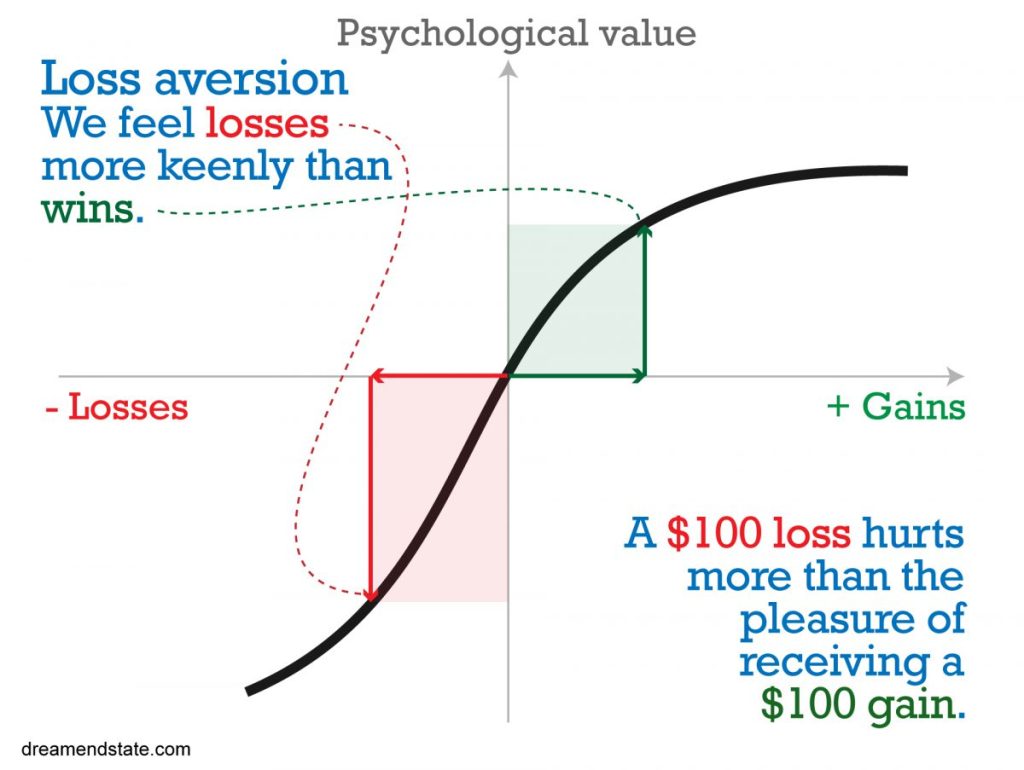
According to behavioural economist Daniel Kahneman, we tend to exhibit a stronger bias toward loss—known as “loss aversion”—than toward gain. This bias significantly influences our decision-making. Initially, it may seem beneficial to be overly cautious, as common sense suggests that careful consideration of financial decisions is wise. However, this tendency can lead to poor judgment in certain situations, as illustrated by gamblers who obsessively chase after their initial losses while ignoring the more rational option of accepting a loss and walking away (Kahneman, 2011). In contrast, an AI algorithm would evaluate the odds and would likely accept the initial loss if it determined that doing so was the best course of action for maximizing long-term gains. Humans, on the other hand, often struggle with this due to the emotional weight of the initial loss, often reacting with the fast thinking, emotion-led reactionary part of our decision-making dual apparatus ( the other being the slow rational side).
So, with this in mind, to counter the loss, we need a greater gain. Thus, in this report, I figured four carrots to the one stick. This is so important to creating societal jewels (i.e., the NHS) that can be justified to the majority over the small minority of self-seeking short-termists ( and we will see in the paper that all benefit long-term, again, the NHS).
Though it should be stated that any welfare fiscal spending cannot show a direct profit by its very nature, it’s once, twice, thrice removed. The measurement of GDP growth is only seen as a fiscal measurement of ‘production’ ( highlighted as the definition of production has been constantly manipulated; for example, only recently has rentier landlordism been included as a product, even though its extraction, nothing is actually created). The separation of generations cared for, educated from birth to grave, kept healthy, has food, shelter, warmth and no fear of retirement to concentrate on producing measurable wealth during the hours of productive employment.
“Not all can be commodified for direct profit, but what can be produced unhindered by welfare concerns will be measurably more efficient in final output. A sick hungry workforce is absent in mind and body.
On the 4th of November I had a lecture on Neoliberalism, a term that I have a rough grasp as to its meaning as we all live in a neoliberal world in most of the northern hemisphere, this is the present ‘normative common sense’ of our economy and social individualistic aspirations.
A really great and thorough lecture with angles that i had not seen before and thus consequences.
Knowing how well researched and read Anna Minton is it was rather depressing to hear her admit that to a point that the concepts of the ‘reclaiming the commons’ had fizzled out. Yet as Mark ( PhD student attending the class who is working on voluntary housing schemes) commented there are projects on the go in the country, but had to admit the enthusiasm of the recent past has declined. Bumped into a paper this morning reinforcing this depressing reality (see further below for an abstract);
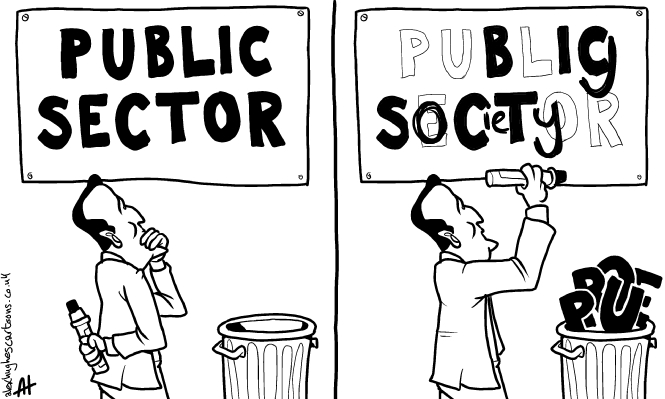
Blair’s ‘Third Way and Cameron’s ‘Big Society’ both tried (and failed) to tap into our former natural egalitarian sense of societal values (Henrich 2021) that are a disconnect from the baseline of Neoliberal thought, that as Hayek would say that at our core we are all ‘self seeking’ and therefore the only real value is monetary and thus we all should work and accept this value, and the invisible hand of the market will solve all our woes if we just give it time (recently completely dismantled by ‘trussanomiocs’).
The reason the Big Society almost instantly failed was that it’s such a contradiction to the common sense that we the public had been taught/indoctrinated for the past 40 years (1979-2010), namely; ‘there is no such thing as society’ every man woman and child for themselves, along with the suspicion we were being taken for fools, expected to work for nothing to support the bottom end of society whist the wealthy yet again ,’run off with the money’. A London East End term would be, to be ‘Mugged off’.
This is the classic ‘all actions have a reaction’ reality, you prime a population to become hyper individualistic, to follow ‘their ‘ dreams, add to the mix ‘positivity’ ie, you can do this! with a sprinkling of status aspiration and boosterism ( no negativity even with obvious failures, think Boris Johnson former PM who promoted Brexit for his own gain and could never understand the criticism as to why it failed, and it has ref -4% growth compared with those in the EU) and you have a citizen that relies on ‘feelings’ more than reality. Perfect politician and media fodder for manipulation and denial of uncomfortable facts ( ie Michael Gove; ‘we no longer need experts’).
The term from an academic perspective is ‘social capital theory’, where we take what we have to offer as individuals with others and collectively do something for the benefit of society/community and not necessarily for monetary profit, ie ‘the big society’.
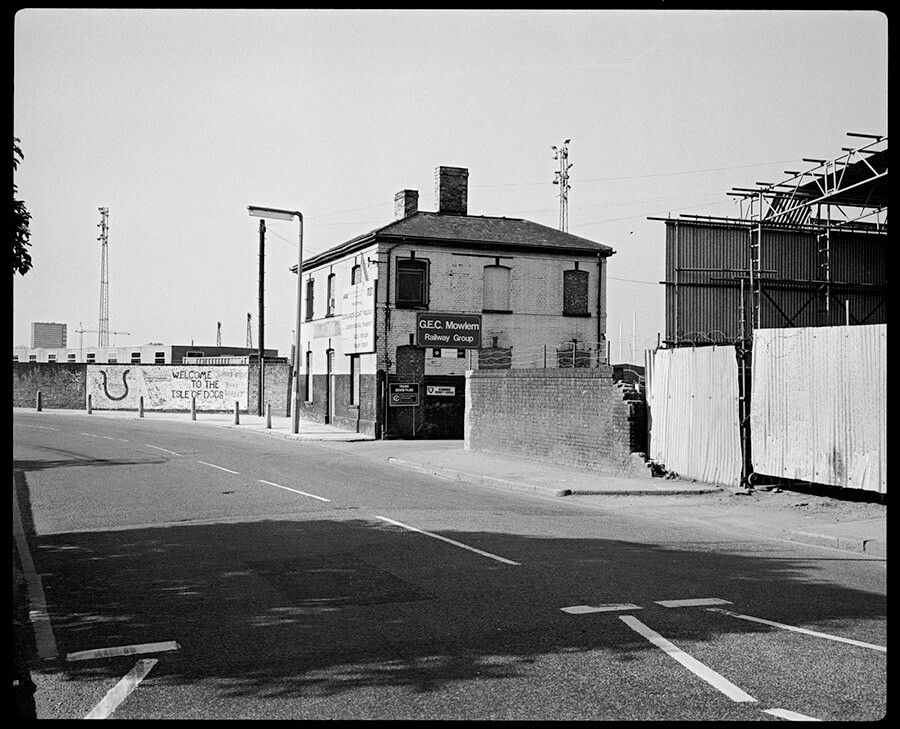
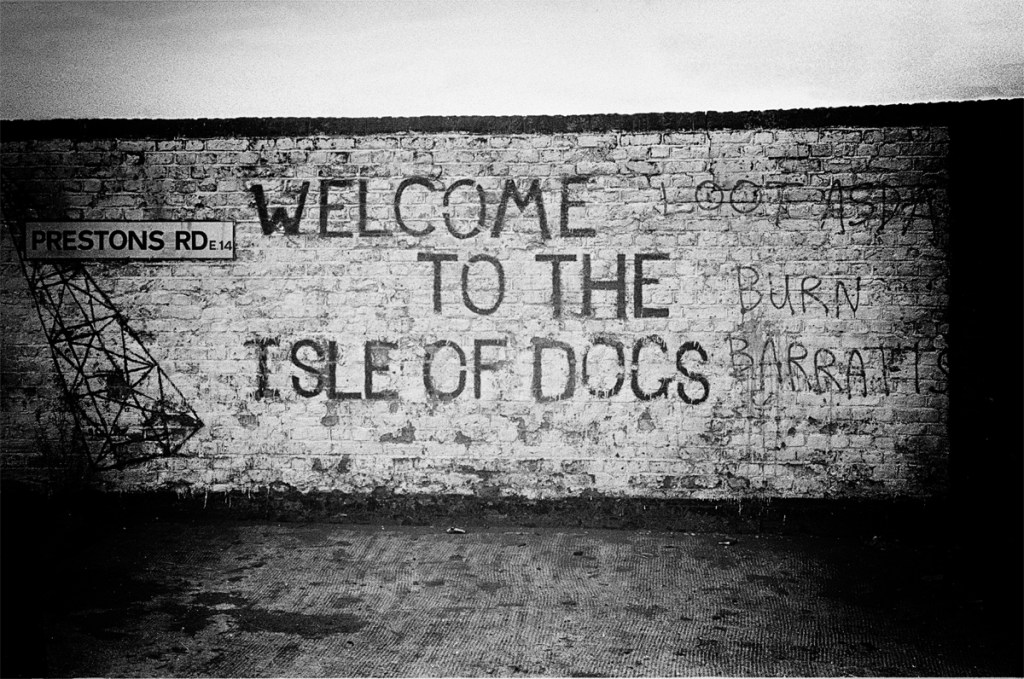
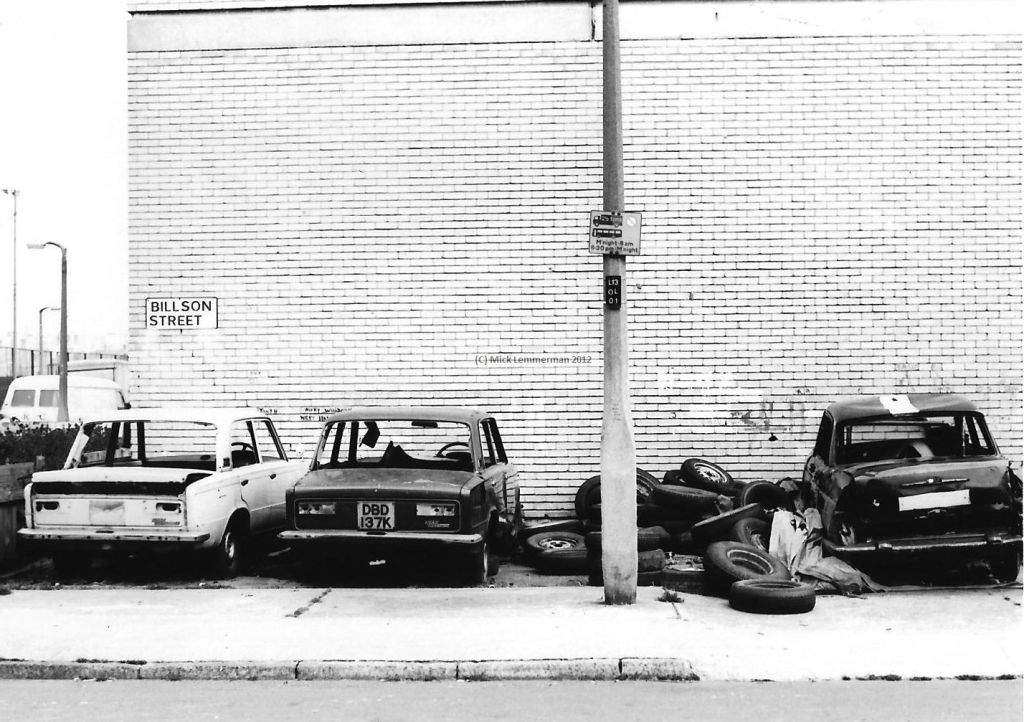
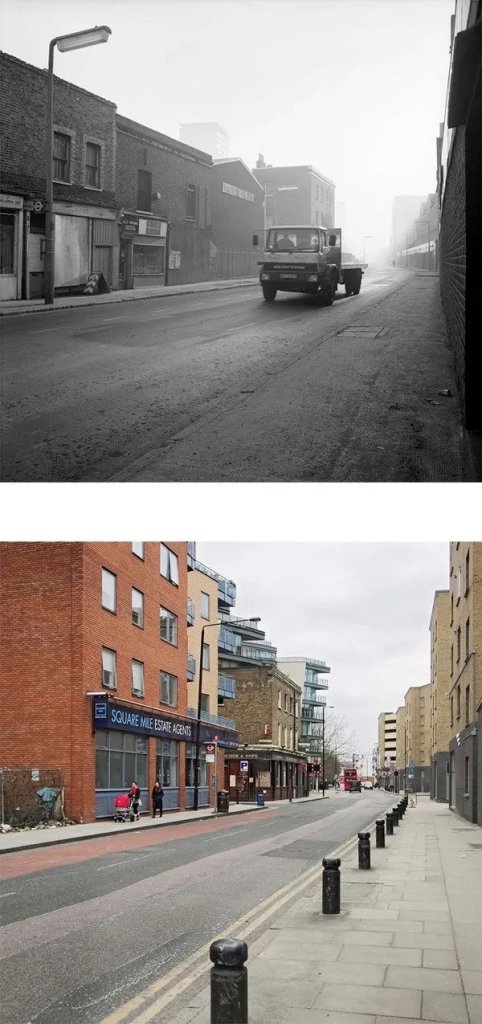
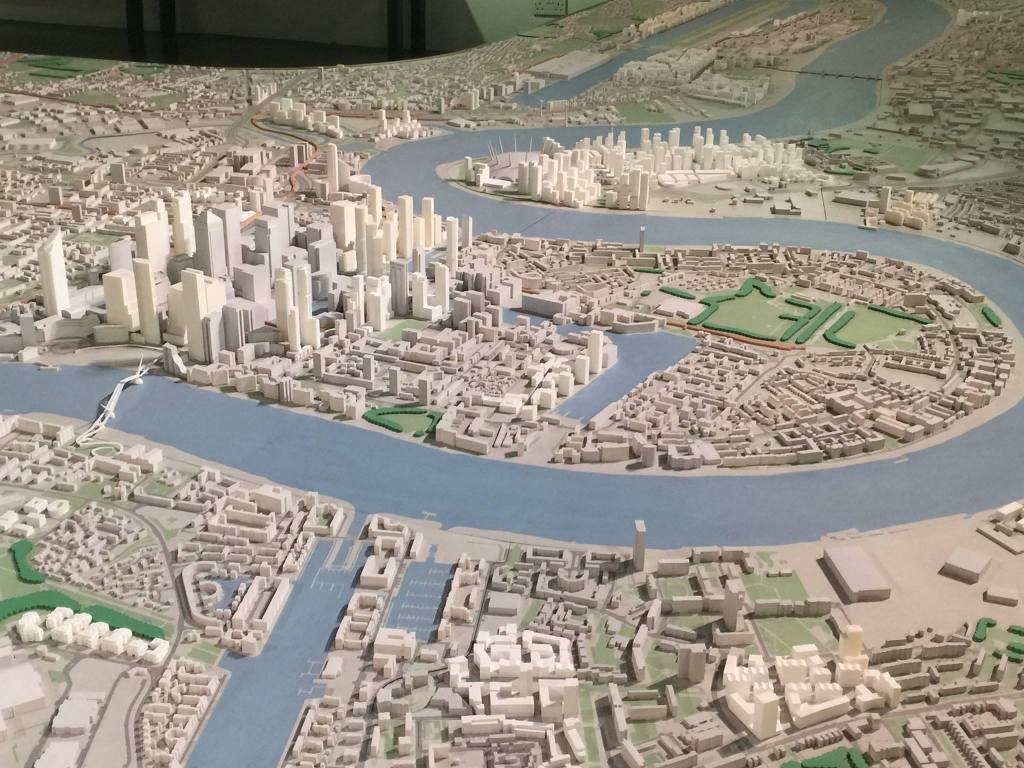
Two examples of people movement on the Isle of Dogs; Sideways and Vertical.
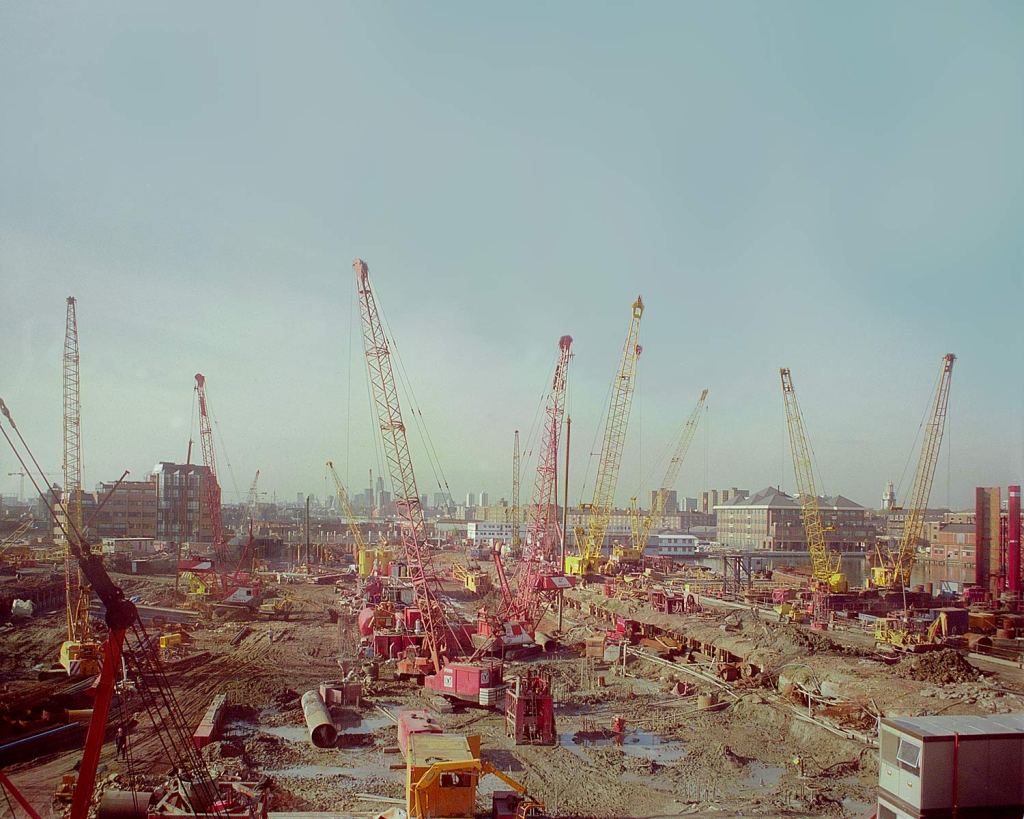
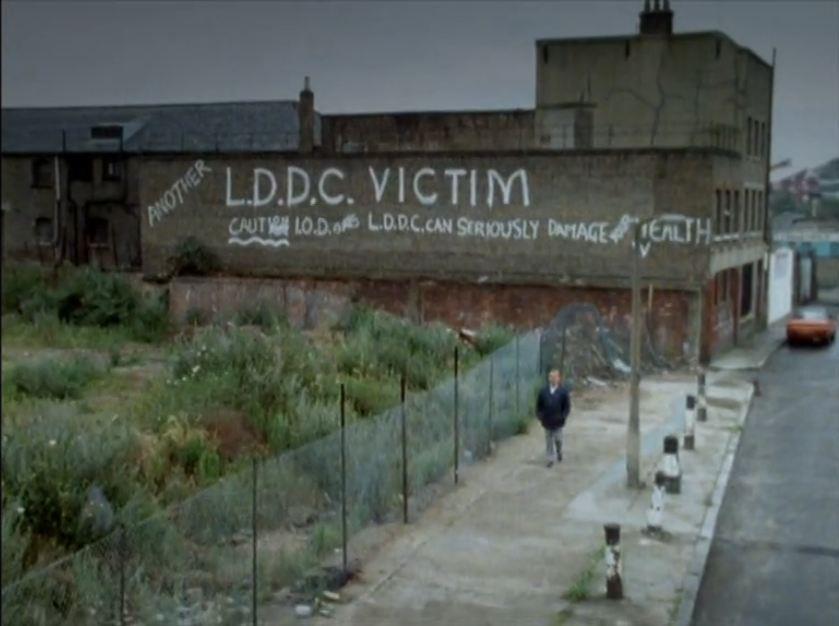
When putting together a presentation concerning a brief history of the Isle of Dogs in the Eastend of London, I stumbled on a 2nd less well known influx during the 1960’s, also promoted by a centralised organisation, but far more inclusive than the later corporate organisation foisted upon the community in 1981, namely The London Docklands Development Corporation (LDDC).
The former was the London County Council (LCC) (later to become the GLC) which derived from the post war housing consensus and in particular the 1947 housing act.
So as with all things, looking a little more deeply into the policy of a pre LDDC government select committee, comments within the paper questioning the new law to be presented to parliament. As with many acts of parliament is has to go through various cross parliamentary committees to scrutinise a controversial bill. This bill was no exception born out a new ideology of Free Market Neoliberal Capitalism as promoted by the Thatcher Government of 1979, from the theories of Friedrich Hayek and Milton Friedman (and the rest of what was known as the ‘Austrian School’).
“This was the first real opportunity to enact the low regulation ring fenced policy centrally governed via unelected quangos on a large scale”.
To say this was a 180 degree shift from the previous economic and social ideology would be no exaggeration. This is born out in the two shifts in the islands population, the first in the 1960’s which I will call a horizontal shift of people, so not strictly Gentrification in the Ruth Glass terminology of the 1960’s and the present day, and a 2nd more seemingly effective solution in the context of monetary value to the area, but not necessarily for the original local population.
Recently watched a Vpro ( documentary maker from the Netherlands) documentary. Highlighting the issue of University inventions and thus patents being given away free to private industry to use and then profit from, with the bizarre reality of the state buying them back including a rent for the patent! Think pharmaceuticals and the NHS.
The well known and often quoted is the iphone, most of the internal components were government funded projects for defence, navigation and general public funded university research, all used by Steve Jobs and co, and cleverly put together to create the ubiquitous smartphone which was then marketed for huge profits, with none going back to the publicly funded organisations as if it was all the ideas of just the private sector (remember these corporations also avoid taxation).
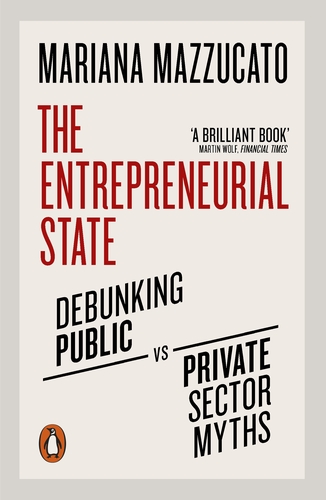
So Mariana Mazzucato goes through this in her book The Entrepreneurial State (debunking public v private sector myths, video further down the page) and the Vpro video.
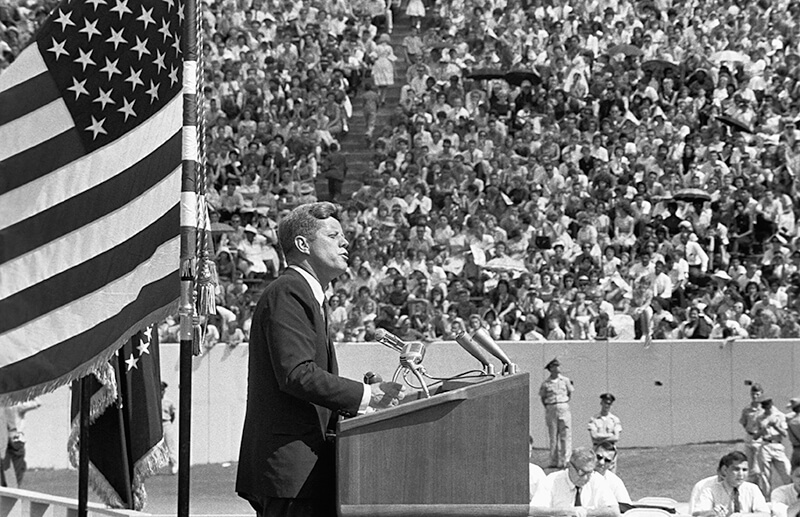
One section near the end caught my imagination. Problems are there to be solved, the Kennedy moonshot speech;
“We choose to go to the Moon. We choose to go to the Moon… We choose to go to the Moon in this decade and do the other things, not because they are easy, but because they are hard; because that goal will serve to organize and measure the best of our energies and skills, because that challenge is one that we are willing to accept, one we are unwilling to postpone, and one we intend to win, and the others, too”.
I am very aware that where money comes from is very complex, controversial ( some say for reasons of keeping the public ignorant) and has been argued about for at least 5000 years (anthropologist David Graeber: Debt; A 5000 Year History). The modern banking system has evolved quite rapidly over the past 300 years, changing as each idea fails or causes a boom bust cycle, which again is what unfettered capitalism does ( yep, Marx, Keynes observation) it’s almost as if capitalism if unregulated kills, but if controlled can bring life, and the ‘love’ (or the status it can bring) of money is the root of all evil, or certainly brings out that inner demon of greed we all have lurking within us.
“The ultimate result is slum tenancies, built as a minimum for the procreation, briefest of rest and subsistence of working labour”
So the seemingly innocent intersection of roads and footpaths has become so imbedded in our subconscious that we hardly recognize its importance, and yet the phrase ‘meet you at the corner’ is part of our everyday life. So why?
It’s a node
More options of escape, fight or flight
A prairie view
That’s the text-book view, but it’s so much more than that.
So to understand the culture of the street corner in a housing district that is designed around the grid street system ( think squares ), a social document should be viewed, understood and lessons learnt from said study.
An easily understood document is a TV series from the early 2000’s called the ‘The Wire’, considered by the local community, police, politicians, educators and press to be an accurate portrayal of the Baltimore area 1995-Present.
Written by a former crime reporter of the Baltimore Sun, David Simon and Ed Burns, a Senior Detective. They collaborated on a book ” The Corner: A Year In The Life Of An Inner City Neighborhood” This was written from a street perspective and eventually was used as a base for The Wire.
So you have the corner shop and corners occupied by the drug dealers. The series goes through the turf wars between the dealers, the police trying to rid the corners of the gangs ( think; futile), the politicians trying bury/solve the problems to thier advantage within 5 year terms, the education system trying to give the children a way out, all in the confines of a post industriual town with middle class flight. The series is about all the consequences of little or no investment into new industry, of fire fighting rather than getting to the root cause, and ultimatly letting it fend for its self.
“The recent History of Baltimore is the same all over the post industrial world where the old heavy, labour intensive industries move out or are mechanized, leaving a local population with a lost identity of work and place.”
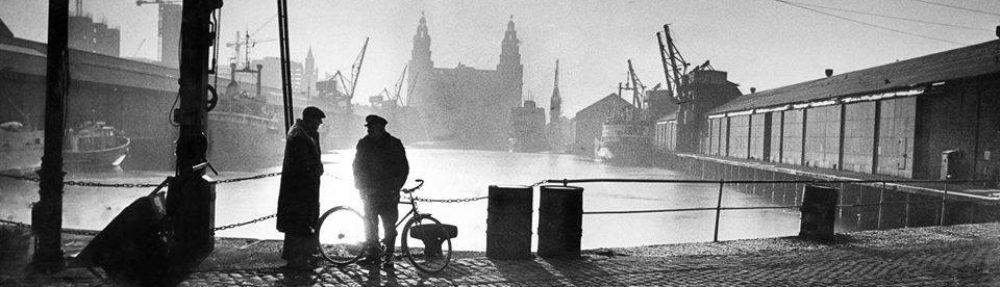
Think of the Royal Docks in the east end of London, once the container shipping moved in at Tilbury, the boom of the London docks died over night, leaving disenfranchisement, no identity of place that had a sense of pride, no industry leading to high unemployment and eventually no hope.
A void remained to be filled, and with the local politicians with a small government agenda this will not stop the natural hard-working resourcefulness of people, it’s just that the easiest way with highest profit is at present drugs for the resourceful and for some, who lose hope, it can become a form of escape from the harsh relativity of day-to-day living. So the ‘Supply and Demand’, pure Smithsonian Market forces that the neoliberals propagate as the capitalist utopia with the invisible hand of self-regulation, will, left to its own devices bring us to a place where every man helps his brother for the good of the market. Experience tells us this is not so, short-term markets post big bang* will not allow this, the god of self-interest*, our irrational inner chimp*, fear* and greed all add up to the distopia that is Balitmore.
“And the corner is where it would be played out in this Drama”
So the how does the humble brown paper bag relate to all this?
Below is an interpretation of a scene from the episode where this all comes to a head, leading to the parable.
Obviously this is not the answer, but the point of the exercise is to look around you, take stock and think. The rational rather than the reactive*is needed to understand the cause and effect of a small change mixed with compromise can offer a solution, and get the thinking to a more Lateral position, asking different questions and exploring the consequences of long and short-term interventions.
“So the street corner where people, stop, meet and feel comfortable, it’s a place of high value.”
If a place has high unemployment, no hope then it can become a place of conflict, but it’s still a place, good or bad.
Ultimately people need money and at present that comes through gainful employment, so no matter how many beautiful parks, housing developments we build, if people don’t feel valued in themselves, then that will show on the outside. No work, then other high profit means will appear. Gentrification may push the problem elsewhere under the carpet, but you will eventually trip over it and fall flat on your face, i.e. Baltimore, Trump, Brexit etc.
This is what a Rowndtree commission conclusion was on Regeneration, but more of that for a later post.*
What are the social and economic benefits of place?
Hopefully from previous research and future investigation I will be able to start to answer these questions and more. Not always following the obvious routes, I will be looking at cognitive bias, memory, self interest, fear as well as spacial effects of mass and void, the senses, time, evolution of a space.
“How do we make a place where people want to be?”
New towns, regeneration of old cities and retro fitting in new cites, all are pointing to the realisation that green space, malls and public transport are only part of the answer, albeit in the right direction. How do we make a place where people want to be?
Post race meeting in a car park
A corner of a car park for a brief time becomes a place. Scale, shade, food, people watching people, seating (150mm high kerb), a common reason. The comments when asked were;
its feels right
comfortable
cosy
All the elements were there no sense of flight (fear), enough routes to escape, but enough enclosure to feel secure. A corner, so we can look out and our backs are protected, like being on the back seat of a coach.







 It's about people, stupid...